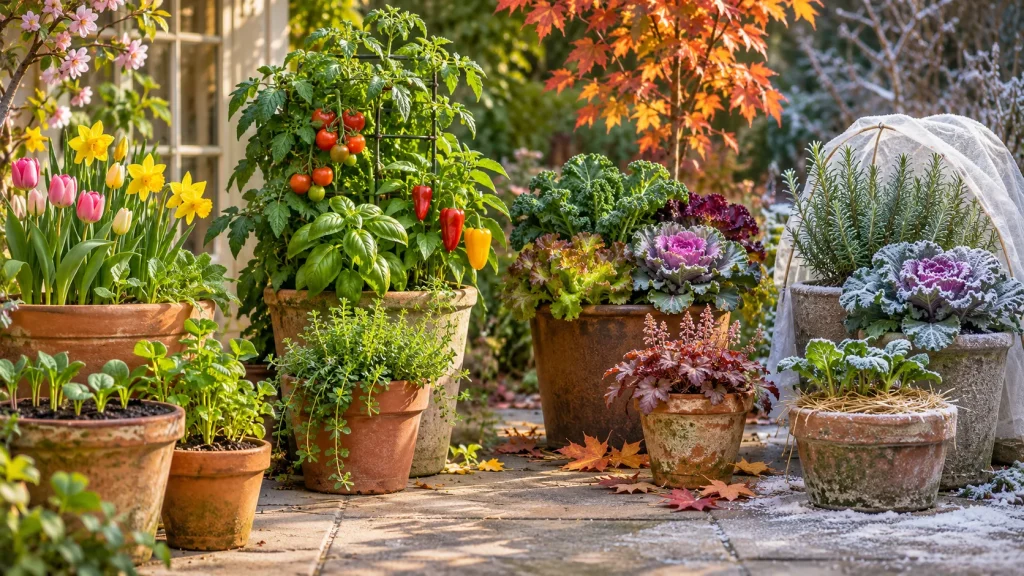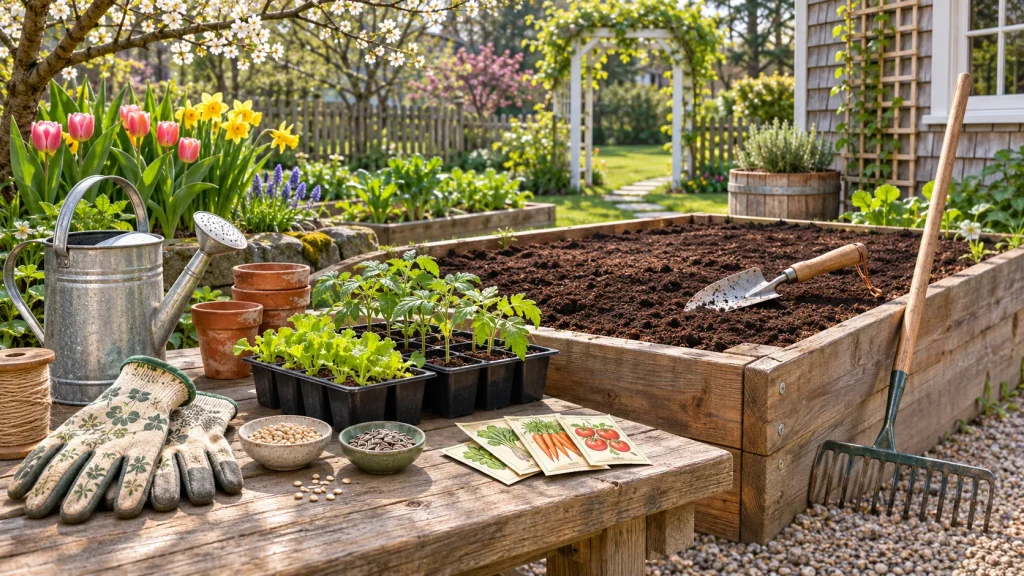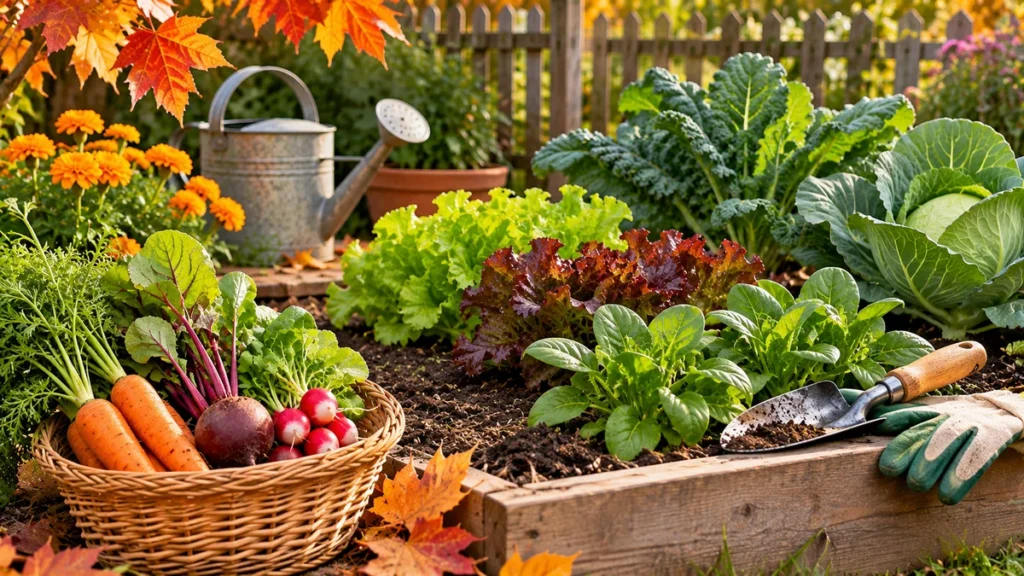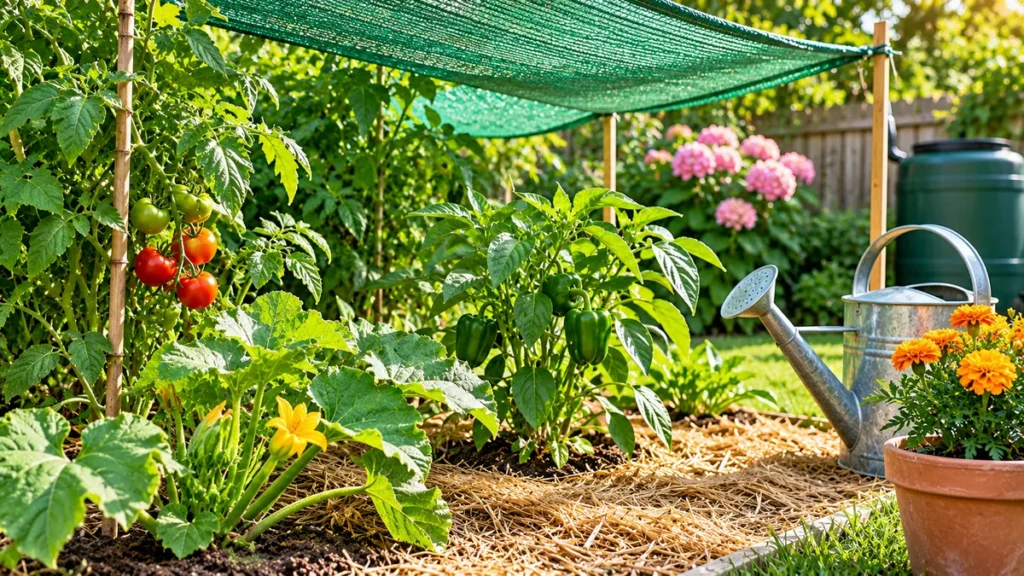
How to Plan a Planting Calendar for Your Climate

When should you start tomato seeds? Is it too early to plant lettuce outdoors? Can you grow another crop after harvesting summer vegetables? The answers depend on where you garden, the weather you experience, and the plants you want to grow.
A planting calendar helps you organize these decisions. Instead of guessing which vegetables to sow each month, you can plan around local frost dates, soil temperatures, seasonal rainfall, crop maturity, and the amount of time available before weather becomes unsuitable.
However, a calendar written for one region may not work in another. A gardener in a cool northern climate might wait until late spring to transplant peppers, while someone in a subtropical region may grow certain vegetables during cooler months to avoid extreme summer heat.
This guide explains how to build a practical planting calendar for your climate, choose suitable planting windows, plan indoor seed starting, and organize successive harvests. You’ll also learn how to adjust your schedule for unexpected weather and different growing conditions.
What Is a Planting Calendar and Why Do You Need One?
A planting calendar is a schedule showing when different crops should be started, transplanted, maintained, and harvested. It helps you match the needs of each plant with the environmental conditions expected in your garden.
Some planting calendars display months, while others work backward or forward from the last spring frost or first autumn frost. A useful calendar may also record soil temperatures, the expected time to harvest, and whether a crop can be planted more than once during a season.
A well-planned calendar can help you:
- Start seeds at an appropriate time rather than too early or too late.
- Avoid exposing frost-sensitive plants to damaging cold.
- Choose vegetables suited to cool, warm, or hot growing conditions.
- Plan harvests and reduce gaps between crops.
- Make better use of small beds and growing spaces.
- Prepare for seasonal heat, rainfall, drought, and frost.
A planting calendar should be treated as a flexible planning tool, not a promise that every seed will germinate or every crop will be ready on an exact date. Actual weather, soil conditions, plant varieties, and growing practices can change the schedule.
Step 1: Understand Your Local Growing Climate
Before choosing planting dates, gather a few important facts about your location. These provide the foundation for a calendar that reflects the conditions your plants will actually experience.
Average Temperatures Throughout the Year
Find out when your region usually experiences cool weather, warming conditions, high summer temperatures, and the return of colder weather.
Consider daytime highs and nighttime lows. A location can have warm afternoons but still experience nights that are unsuitable for tender crops such as tomatoes, peppers, and basil.
Temperature patterns also help identify periods when cool-season vegetables are likely to perform well and times when extreme heat may interfere with flowering, fruit set, or leaf quality.
Rainfall and Seasonal Moisture
Rainfall distribution is another important part of climate planning. Some regions receive precipitation throughout the year, while others have distinct wet and dry seasons.
Heavy seasonal rain can make sowing difficult, encourage waterlogging, or favor certain plant diseases. Extended dry periods may require reliable irrigation and crops suited to the available water supply.
When planning your calendar, identify periods when soil is commonly too wet to work and periods when additional irrigation will likely be necessary.
Growing-Season Length
In climates with regular freezing weather, the frost-free growing season is commonly measured between the last spring frost and the first autumn frost.
This interval helps determine whether a warm-season crop has enough time to grow and produce before freezing temperatures return.
In frost-free or nearly frost-free regions, a different set of seasonal limitations may be more important, including extreme heat, dry-season water availability, or heavy rainfall.
USDA Plant Hardiness Zones
In the United States, the USDA Plant Hardiness Zone Map classifies locations according to their average annual extreme minimum winter temperature. The map is especially useful for evaluating whether perennial plants are likely to survive local winter conditions.
However, a USDA hardiness zone is not a vegetable planting calendar. Two places in the same zone can have different rainfall patterns, summer temperatures, frost dates, and growing-season lengths.
Use hardiness zones as one source of information, alongside local climate records and crop-specific planting recommendations.
Good to Know: Gardeners in the UK, Canada, Australia, and other countries should use local climate records and regional planting guidance. USDA hardiness zones alone are not a universal system for choosing sowing dates.
Step 2: Find Your First and Last Frost Dates
For gardeners in regions with seasonal frost, knowing the approximate frost dates is one of the most useful steps in planning a vegetable garden.
What Is the Last Spring Frost Date?
The last spring frost date is an estimate of when freezing or frost-producing conditions are likely to end for the season. Gardeners often use it when planning when to transplant tender crops outdoors.
However, an average last frost date is not a guarantee that another frost cannot occur. Weather conditions vary from year to year, and different sources may use different temperature thresholds or levels of risk.
Planting after the average date can reduce risk, but tender plants may still require protection if an unusually cold night is forecast.
What Is the First Autumn Frost Date?
The first autumn frost date estimates when cold conditions may begin threatening frost-sensitive crops near the end of the growing season.
It is useful for deciding whether there is enough time to plant another crop or finish growing a long-season vegetable before cold weather returns.
Not every crop is killed by a light frost. Some cool-season vegetables tolerate freezing conditions better than tomatoes, cucumbers, or peppers. Use plant-specific guidance when deciding how much protection or growing time a crop requires.
Where Can You Find Local Frost Dates?
Start with trustworthy climate and horticultural resources for your region. In the United States, NOAA provides historical climate information, while university extension services often publish local planting and frost guidance.
Elsewhere, national meteorological agencies, agricultural extension services, and respected regional gardening organizations may provide similar records.
When possible, look for frost-date information that includes the likelihood of freezing temperatures rather than relying only on a single average date. A gardener seeking a lower risk of frost damage may choose a later planting date than someone willing to protect an early crop.
Important Caution: Never treat an average frost date as a guaranteed safe planting day. Check short-term weather forecasts before moving tender plants outdoors, and be prepared to delay planting or use appropriate frost protection.
Step 3: Use Soil Temperature and Daylight to Refine Planting Dates
Frost dates are helpful, but they are not the only conditions that influence when seeds should be planted.
Seeds need suitable temperatures to germinate. Some vegetables grow well in cool soil, while others germinate slowly or poorly when soil remains cold and wet.
Cool-Season Seed Germination
Vegetables such as peas, spinach, radishes, and some lettuces can germinate and establish in relatively cool conditions.
For example, certain cool-season vegetables can be direct-sown when soil temperatures are around 40–50°F (approximately 4–10°C), although individual species and varieties have different requirements.
These crops may struggle during prolonged hot weather, even in locations that do not experience frost.
Warm-Season Seed Germination
Beans, cucumbers, melons, and many other warm-season vegetables generally need warmer soil for dependable germination.
For several common warm-season crops, soil temperatures of at least about 60°F (16°C) provide a useful starting point, although the preferred temperature can be higher depending on the species.
Sowing these crops too early into cold, wet soil may result in slow germination, weak establishment, or seed decay.
How to Check Soil Temperature
A soil thermometer can help you measure conditions near the depth where seeds will be planted. Check several times under reasonably consistent conditions rather than relying on a single reading after an unusually warm afternoon.
Soil temperature varies with depth, sunlight exposure, moisture, mulch, and the surrounding environment. Raised beds and containers may warm differently from nearby in-ground soil.
Daylight and Crop Development
Light availability changes through the seasons. Shorter days and lower solar intensity can slow the growth of many vegetables, even when temperatures remain mild enough for the plants to survive.
Some crops also respond to day length when flowering or forming harvestable parts. The effects vary between species and varieties.
When planning late-season crops, allow for slower development in periods with limited daylight instead of assuming they will mature at the same rate as in spring or early summer.
Step 4: Group Vegetables by Their Preferred Growing Season
Once you understand your climate, divide your crop choices into groups based on the conditions they generally prefer.
Cool-Season Vegetables
Cool-season vegetables generally perform best during periods of mild or cool weather. Many can be planted before the final spring frost or during the approach to autumn, depending on their cold tolerance and local climate.
Examples include:
- Lettuce and many salad greens
- Spinach
- Radishes
- Peas
- Broccoli and cabbage
- Kale and certain other leafy brassicas
Not all cool-season vegetables have the same cold tolerance, planting method, or time to maturity. For instance, broccoli is often started as a transplant, while radishes are commonly sown directly into prepared soil.
Warm-Season Vegetables
Warm-season vegetables grow best when the weather and soil are sufficiently warm. Many are vulnerable to frost and should be established only when cold injury is unlikely.
Examples include:
- Tomatoes
- Peppers
- Cucumbers
- Beans
- Squash
- Melons
Some warm-season crops tolerate high temperatures better than others. For example, extreme heat can interfere with fruit set in some tomato varieties even when the plants survive.
In very hot climates, selecting the appropriate part of the warm season can be just as important as avoiding frost.
Step 5: Calculate When to Start Seeds Indoors and Transplant Outdoors
Many gardeners start seeds indoors so young plants are ready when outdoor growing conditions become suitable. For a crop that often needs an indoor start, work through the pepper seed-sowing guide.
However, starting seeds too early can create overcrowded or weak seedlings that outgrow their containers before the garden is ready.
Work Backward From the Outdoor Planting Window
Begin by identifying when the crop can safely be planted outdoors. Then subtract the recommended number of weeks needed to raise a suitable transplant.
For example, tomato seedlings are commonly started indoors about six to eight weeks before their expected outdoor transplanting window, although recommendations vary with the variety, growing method, and local conditions.
If the expected transplanting date is May 10, a six-to-eight-week indoor growing period would place seed starting roughly between March 15 and March 29. This is an illustrative example, not a recommended schedule for any particular city.
If you decide to transplant later because the soil remains cold, adjust the indoor sowing date accordingly.
Which Vegetables Are Better Direct-Sown?
Some vegetables usually establish well when sown directly into their final growing position. Examples include beans, peas, radishes, and many root crops.
Carrots and parsnips generally do not transplant well because disturbance can affect root development. Crop-specific guidance should determine whether direct sowing is preferable.
Allow Time for Hardening Off
Seedlings raised indoors need gradual acclimatization before they are placed permanently outside. Hardening off helps plants adjust to stronger sunlight, wind, and temperature changes.
Include this transition in your planting plan. Depending on the crop and conditions, acclimatization may take several days or longer.
Even properly hardened-off seedlings can suffer frost damage if exposed to conditions outside their tolerance.
Gardening Tip: Your planting calendar should include separate dates for indoor sowing, hardening off, outdoor transplanting, and expected harvest. These are different events, and recording each one makes the schedule more useful.
Step 6: Understand Days to Maturity and Harvest Windows
Seed packets often provide a number called days to maturity. This gives an approximate indication of how long the crop may take to reach a particular harvest stage.
However, the starting point for that estimate is not always the same. For some crops, the figure is calculated from direct sowing. For others, especially commonly transplanted vegetables, it may refer to the period after transplanting.
Check how the seed supplier defines the estimate and use the information for the specific variety you are growing.
Why Harvest Dates Are Approximate
Cool temperatures, limited sunlight, moisture stress, and unsuitable growing conditions can delay maturity. Favorable conditions may produce faster growth, although the result is not guaranteed.
Some vegetables also have an extended harvest period. A tomato plant may produce ripe fruit over several weeks, while a crop of radishes may be harvested during a much shorter interval.
Planning Backward From Autumn Frost
When scheduling a late crop, estimate the time needed for establishment and maturity, then work backward from the expected first autumn frost or another local seasonal limit.
For example, suppose your estimated first frost is October 15 and a frost-sensitive crop needs approximately 60 days to maturity from sowing. Adding a hypothetical 14-day planning buffer gives a total of 74 days. That suggests an approximate early-August sowing deadline.
This calculation is only an illustration. Actual timing depends on the crop, variety, whether the maturity estimate begins at sowing or transplanting, late-season temperatures, and the risk of an earlier frost.
Some cool-season crops tolerate light frost, while others need a longer growing period before winter growth slows. Follow local guidance rather than applying the same deadline to every vegetable.
Step 7: Use Succession Planting for More Consistent Harvests
Succession planting means organizing multiple plantings so that harvests occur at different times or so that a finished crop is replaced by another suitable crop.
It is especially useful for gardeners with limited space because the same bed may support more than one crop during a suitable growing season.
Sow Small Batches at Intervals
Instead of sowing an entire bed of radishes, lettuce, or certain beans at once, consider making smaller sowings at appropriate intervals.
For some quick-growing crops, intervals of approximately two to three weeks can be a useful starting point. However, the right frequency changes with temperature, crop growth rate, and the amount your household can use.
A fixed two-week schedule may not work in very hot weather or when plants mature slowly during cool conditions.
Replace Finished Crops
Another approach is to plant a new crop after harvesting the previous one.
For example, a bed that produced spring peas might be used for a suitable warm-season vegetable after the peas finish. Later, the area could support a cool-season crop if the remaining weather and growing conditions allow.
This approach requires planning ahead so seeds or transplants are available when space becomes free.
Don’t Overlap Crops Without Enough Space
Succession planting should account for the mature size of each crop, available sunlight, root competition, and whether plants can be removed without damaging their neighbors.
It can also be useful to rotate susceptible crop groups between beds when space allows, particularly where recurring soilborne diseases have been a problem.
Step 8: Adapt Your Planting Calendar to Different Climate Types
Not every garden follows a simple pattern of cold winter, mild spring, hot summer, and cool autumn. The most useful planting calendar reflects your region’s actual climate.
Cold and Short-Season Climates
Gardens in cold regions or at higher elevations may have a relatively short period between spring and autumn frosts.
In these locations, gardeners often benefit from choosing early-maturing varieties, starting suitable crops indoors, and transplanting only when outdoor conditions allow.
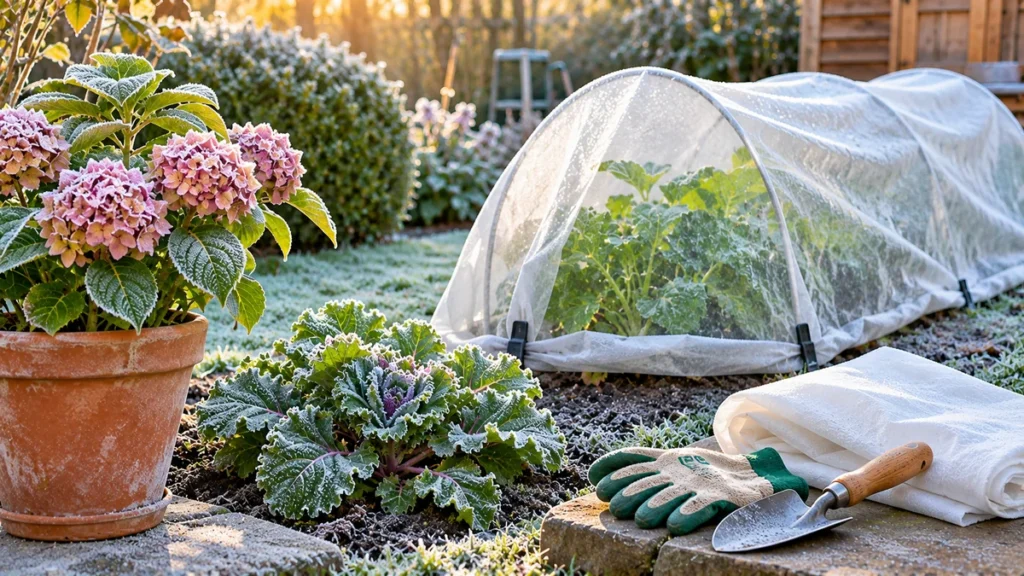
Cold frames, appropriate row covers, and protected growing structures may help extend parts of the growing season. These methods provide limited protection and should be matched to expected temperatures and the crop’s tolerance.
Temperate Climates
Many temperate areas offer distinct cool-season and warm-season growing windows. Spring and autumn may be suitable for lettuce, peas, radishes, or brassicas, while warmer months favor tomatoes, beans, squash, and other heat-requiring crops.
In these climates, a calendar based on frost dates, soil temperature, and succession planting can be particularly useful.
Hot and Subtropical Climates
In warm regions, extreme summer heat may be a greater obstacle than winter cold for certain vegetables. Leafy greens and cool-season crops may perform better in autumn, winter, or early spring.
Warm-season vegetables may be scheduled around the hottest periods where appropriate. Some areas have multiple planting windows for the same crop.
Check region-specific advice rather than assuming that planting recommendations developed for cold northern climates will work during the same calendar months.
Tropical and Frost-Free Climates
In regions where frost is rare or absent, the planting calendar may be organized around rainfall, dry-season irrigation, heat, humidity, and the needs of individual crops.
Heavy seasonal rain can affect drainage and disease pressure, while long dry periods may require a dependable water supply.
Rather than using a last frost date as the main planning reference, identify the parts of the year when each crop’s preferred growing conditions are available.
Southern Hemisphere Gardens
In countries such as Australia and New Zealand, spring and autumn occur during different calendar months than in Northern Hemisphere regions.
A calendar recommending spring planting in April may be unsuitable for a southern location where April is in autumn.
Always use the local season and climate rather than transferring Northern Hemisphere monthly schedules directly.
Step 9: Build Your Own Planting Calendar
You do not need specialized software to create a useful planting calendar. A notebook, printed calendar, or simple spreadsheet can work well.
Follow these steps to organize the information.
- Record your location and climate. Note typical seasonal temperatures, rainfall patterns, and whether frost is a recurring concern.
- Find relevant frost dates or seasonal limitations. Record first and last frost estimates where applicable, or major wet, dry, and hot periods.
- List the crops you want to grow. Begin with a manageable selection suited to your available space.
- Check each crop’s preferred conditions. Review temperature requirements, planting methods, spacing, and expected maturity.
- Choose the outdoor planting window. Use local crop guides, soil temperature, weather patterns, and frost risk.
- Calculate indoor seed-starting dates. Work backward from the outdoor transplanting window, allowing enough time for seedlings to develop.
- Estimate harvesting periods. Use variety-specific maturity information, remembering that actual development can vary.
- Add succession plantings. Plan suitable follow-up crops or staggered sowings where space and weather allow.
- Add preparation and protection tasks. Record soil testing, bed preparation, transplant hardening, irrigation checks, and possible frost protection.
- Review and update the calendar. Keep records of actual sowing dates, germination, harvests, and weather problems to improve future plans.
Gardening Tip: Create three separate entries for each crop: when to start it, when to move or establish it in its final growing place, and when harvesting may begin. This is more practical than writing only one planting month.
Sample Planting Calendar Worksheet
The following worksheet shows how to organize crop timing. The timing descriptions are illustrative and must be adjusted using local climate information and variety-specific guidance.
| Crop | Seed-starting or sowing window | Outdoor planting considerations | Harvest planning |
|---|---|---|---|
| Tomatoes | Start indoors before the suitable warm-season transplant window | After frost risk has fallen and temperatures are suitable | Use variety maturity measured from the correct starting point |
| Peppers | Start indoors early enough to raise healthy transplants | Require reliably warm growing conditions | Allow adequate time for flowering and fruit development |
| Beans | Usually direct-sow when soil is sufficiently warm | Avoid cold, wet germination conditions | Consider staggered sowings where the season allows |
| Lettuce | Sow during suitable cool or mild periods | High heat may reduce quality or encourage bolting | Plan small successive sowings when appropriate |
| Radishes | Direct-sow during suitable cool growing windows | Check growing temperatures and available moisture | Harvest at the variety’s intended size and maturity |
| Broccoli | Start seeds or choose transplants according to the season | Needs an appropriate cool growing period | Allow sufficient time for head development before heat or severe cold |
What to Record for Every Crop
For a more detailed calendar, include the crop variety, seed supplier, expected planting window, actual sowing date, transplant date if applicable, first expected harvest, and any weather-related adjustments.
You may also wish to record the garden bed or container location, particularly if you grow multiple crops in succession or rotate planting areas between seasons.
Step 10: Adjust Your Planting Calendar for Weather and Microclimates
Even a carefully researched calendar needs flexibility. Historical climate records describe what has typically happened, while actual weather can be warmer, colder, wetter, or drier in a particular year.
Check Forecasts Before Planting
Before transplanting frost-sensitive crops, review the short-term forecast rather than relying only on your expected planting date.
If unusually cold weather is approaching, delay planting or provide protection suited to the crop and expected conditions.
Understand Garden Microclimates
A microclimate is a local area where conditions differ from the surrounding region. For example, a sheltered wall may create a warmer position, while a low-lying area may collect cold air and experience frost more readily.
Other influences include:
- Elevation and slope
- Nearby buildings or walls
- Wind exposure
- Tree shade
- Paving and heat-reflecting surfaces
- Soil moisture and drainage
Two gardens in the same neighborhood may therefore have slightly different suitable planting windows.
Plan for Increasing Weather Variability
Historical planting calendars are useful starting points, but temperature and rainfall patterns can change over time. Monitor current climate information and keep your own records rather than assuming dates from older guides will always remain suitable.
Extremely hot periods, unusual frost events, extended rainfall, and drought may all require changes to planting dates or crop choices.
Common Planting Calendar Mistakes to Avoid
Using Another Region’s Monthly Schedule
A calendar developed for a different climate may recommend unsuitable dates. Check the location where the schedule was created and adapt it to your own growing conditions.
Confusing Hardiness Zones With Frost Dates
Winter plant hardiness classifications do not provide complete information about the timing of spring frost, summer temperatures, or vegetable planting windows.
Planting Warm-Season Crops Too Early
Tender vegetables may struggle in cold soil even after daytime temperatures begin to rise. Check soil temperature, nighttime weather, and the plant’s tolerance before planting.
Starting Seeds Indoors Too Soon
Seedlings that outgrow their containers before outdoor conditions become suitable may become stressed or difficult to manage. Calculate seed-starting dates from a realistic transplanting window.
Ignoring Days to Maturity
A crop may germinate successfully but lack enough suitable weather to reach harvest. Check its expected maturity period and remember that late-season growth can slow.
Planting Everything at Once
Sowing all short-season vegetables at the same time can produce a large harvest followed by a gap. Appropriate succession planting can spread harvests across more of the growing season.
Failing to Keep Records
Without notes, it is difficult to identify which planting dates worked well and which crops were delayed by weather. Record what actually happened and update your calendar each season.
Frequently Asked Questions About Planting Calendars
How do I find the best planting dates for my location?
Begin with local horticultural extension resources, agricultural guides, or meteorological records. Check frost dates where relevant, soil temperatures, seasonal rainfall, and the needs of each crop. Adjust the recommended dates to your actual garden conditions.
Is the last frost date the safest day to plant?
No. An average last frost date does not guarantee that freezing weather has ended. The level of risk changes with the date and year. Check weather forecasts and choose planting dates appropriate to the crop’s sensitivity and your tolerance for risk.
Can I use my USDA hardiness zone as a planting calendar?
Not by itself. USDA hardiness zones describe average extreme minimum winter temperatures and are primarily intended to help assess perennial plant hardiness. Vegetable planting dates also depend on frost timing, soil temperature, daylight, heat, rainfall, and crop requirements.
When should I start tomato seeds indoors?
Tomatoes are commonly started indoors approximately six to eight weeks before a suitable outdoor transplanting window. Use local guidance and the seed supplier’s instructions, then account for frost risk, soil temperature, and time needed to harden off seedlings.
Does soil temperature matter more than the calendar date?
Both matter. A planting date helps you plan, while actual soil temperature indicates whether conditions are suitable for germination and root growth. Frost risk, moisture, and the needs of the particular crop also influence the decision.
How do I calculate when to plant autumn vegetables?
Start with the crop’s estimated time to maturity and the expected seasonal limit, such as autumn frost or the arrival of extreme heat. Work backward while allowing for establishment and slower growth where relevant. Check whether the crop tolerates frost and whether the maturity estimate begins at sowing or transplanting.
What is succession planting?
Succession planting is the practice of making multiple plantings over time or replacing finished crops with suitable new ones. It can help spread harvests and make more productive use of garden space when seasonal conditions allow.
Can I make a planting calendar for a frost-free climate?
Yes. In frost-free regions, organize planting around seasonal temperature ranges, rainfall, irrigation availability, humidity, and crop preferences. Extreme heat or heavy wet-season conditions may be more important limitations than frost.
Should I follow the same planting dates every year?
Use previous records as a starting point, but review current forecasts, soil conditions, and changing seasonal patterns each year. The same date may be suitable in one year and too early or late in another.
Can a planting calendar help with container gardening?
Yes. Container gardeners can use the same crop-timing principles, while accounting for differences in pot size, root-zone temperatures, moisture, and exposure. Containers may warm or cool differently from garden beds and can require additional seasonal care.
Final Thoughts
A successful planting calendar starts with understanding your climate rather than copying a list of dates from another region.
Learn your local frost patterns where relevant, monitor soil temperatures, choose crops suited to each growing period, and use seed-starting and maturity information to plan backward from suitable planting and harvest windows.
Succession planting can help you make better use of available space, while regular weather checks and simple garden records allow you to adjust when conditions change.
The best calendar is not necessarily the most complicated. It is the one you can follow, update, and improve as you learn how plants respond to the seasons in your own garden.
For more seasonal growing guidance, explore our Seasonal Gardening guides. You can also find crop-specific advice in Vegetable Gardening and explore container growing ideas in Small-Space Gardening.
Further Reading and Horticultural References
- University of Maryland Extension: When to Plant Vegetables — crop-specific planting windows, soil temperature, frost dates, and seasonal harvest planning.
- NOAA National Centers for Environmental Information: When to Expect Your Last Spring Freeze — historical freeze dates, climate normals, and weather variability.
- USDA: How to Use the Plant Hardiness Zone Map — interpreting hardiness zones and local microclimates.
- Royal Horticultural Society: Sowing Vegetable Seeds — direct sowing, seed starting, and seasonal sowing methods.
- Royal Horticultural Society: Successional Sowing — staggering sowings and planning continuous harvests.
- University of Maryland Extension: Vegetable Succession and Companion Planting — planning multiple crops within the same growing season.
- University of Georgia Cooperative Extension: Starting Plants From Seed for the Home Gardener — seed-starting schedules and transplant timing.