Year-Round Container Gardening: What Changes by Season?
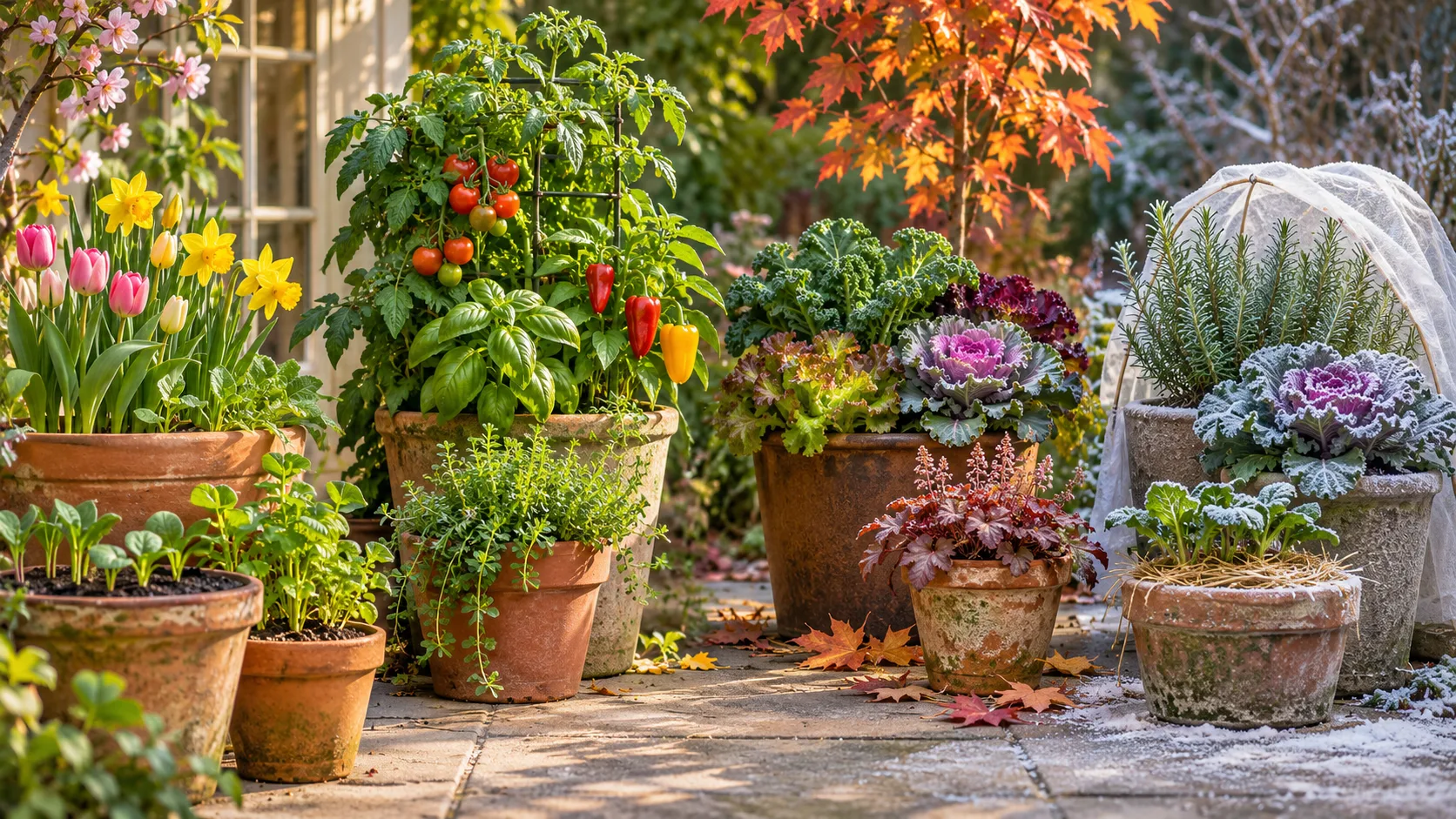
Container gardening makes it possible to grow flowers, herbs, vegetables, and even small shrubs in spaces where traditional garden beds are impractical. A sunny patio, balcony, doorstep, or compact backyard can become a productive growing area with the right plants and containers.
But caring for container plants throughout the year requires more than following one watering schedule. The needs of a potted plant change as temperatures rise and fall, daylight hours shift, and growth moves between active and quieter periods.
In spring, the main priorities may be preparing containers and establishing new plants. Summer brings increased water demand and possible heat stress. Autumn often provides opportunities to change crops and prepare tender plants for colder weather. Winter requires attention to root protection, drainage, and reduced growth.
This guide explains how to manage a container garden through all four seasons, choose suitable plants, adjust watering and fertilizer, and keep your growing space useful throughout the year.
What Does Year-Round Container Gardening Really Mean?
Year-round container gardening means planning, maintaining, and using container plantings across the changing seasons. It does not necessarily mean that the same plant will grow or produce a harvest continuously for twelve months.
Some container plants are annuals that complete their life cycle within one growing season. Others are perennials that survive for several years, sometimes becoming dormant during unfavorable weather.
A container garden can remain attractive and useful by combining permanent plants with seasonal flowers, herbs, and vegetables. As one crop finishes, another may take its place when the climate allows.
In mild climates, gardeners may grow edible crops outdoors through much of the year. In regions with freezing winters, the outdoor growing season is shorter, and protected structures or indoor growing lights may be needed for continued production.
Why Container Plants Need Seasonal Attention
Unlike plants growing in open ground, container plants depend on a limited volume of growing medium. Their roots are also more exposed to changes in temperature.
In summer, containers can heat up and lose moisture quickly, especially when placed on paving or near walls that absorb sunlight. In winter, roots near the outer edges of pots may experience colder temperatures than roots protected by surrounding garden soil.
The amount of water and fertilizer plants need also changes with their growth rate, weather, and seasonal light availability.
Gardening Tip: Plan container care around your local weather and the needs of the plant, not just the name of the month. Spring in a temperate region may be a comfortable growing season, while the same calendar month can bring intense heat or heavy rain elsewhere.
Start With the Right Containers and Growing Medium
Good container design makes seasonal care easier. A suitable pot should hold enough growing medium for the plant, remain stable in its location, and allow excess water to drain where required.
Choose an Appropriate Pot Size
Small containers dry out rapidly during hot or windy weather. They may also provide insufficient root space as plants mature.
Larger pots generally hold more moisture and provide a more stable root environment, although they can become heavy and may retain too much water for a small root system if the growing medium is unsuitable.
Match container size to the mature plant and its root requirements. A compact herb may need much less room than a full-size tomato, cucumber vine, or perennial shrub.
Consider Container Materials
Container material affects moisture retention, temperature, weight, and durability.
- Unglazed terracotta: Porous and attractive, but it may dry out faster than nonporous materials and can crack during freezing conditions.
- Plastic or resin: Often lightweight and relatively moisture-retentive, although some materials deteriorate after prolonged sun exposure.
- Wood: Can provide useful growing space and insulation, but its durability depends on construction and exposure to moisture.
- Metal: Durable in some applications, but exposed surfaces can become very hot or cold and may increase root-zone temperature stress.
- Fabric grow bags: Can provide excellent aeration but may require more frequent watering, particularly in hot, dry weather.
For balconies and elevated terraces, consider the combined weight of containers, saturated growing medium, plants, and stored water. Check structural load limits and local building rules before installing a large collection of heavy pots.
Use Suitable Potting Mix
Most ordinary containers perform best with a growing medium designed for container use. Such mixes generally provide a balance of moisture retention, drainage, and aeration.
Dense garden soil can become compacted inside pots and may drain poorly. Choose a mix suited to the plant, whether you are growing vegetables, herbs, succulents, flowers, or long-lived shrubs.
Make sure drainage openings remain functional. Adding a layer of gravel or broken pottery beneath the potting mix does not improve drainage and can reduce the volume available for roots.
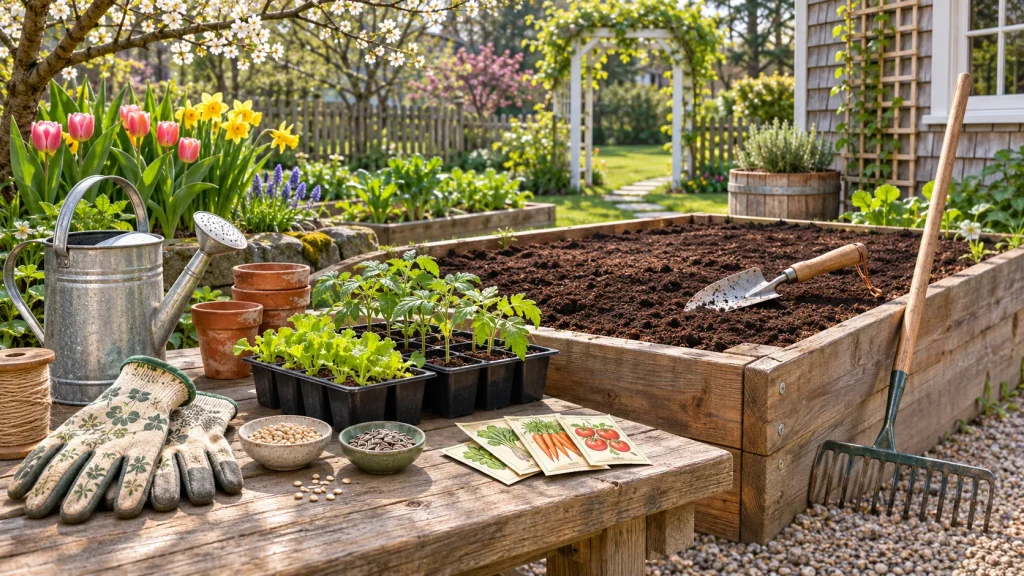
Spring Container Gardening: Preparing for New Growth
Spring is often a period of preparation and renewed activity in temperate climates. Many plants begin growing more actively as temperatures become suitable and daylight increases.
This is an opportunity to inspect containers, refresh growing media, prepare seedlings, and establish crops that suit the season.
Inspect Pots After Winter
Check containers for cracks, blocked drainage holes, unstable supports, and damaged or compacted growing media.
Remove dead annuals and obviously decayed plant material. Examine surviving perennials for new growth, root problems, and signs of pests before making major changes.
Where plants have become severely rootbound, repotting into an appropriately sized container may be useful. Avoid moving every plant into a larger pot automatically; repotting should be based on actual need.
Refresh Growing Medium Where Needed
Old container medium may lose structure or become depleted of available nutrients over time. Long-lived container plants may benefit from replacing some surface material or repotting when appropriate.
For annual vegetables, prepare suitable fresh or responsibly refreshed potting mix before planting. Do not automatically reuse medium from a container where serious root disease was suspected.
Start Cool-Season Crops
In climates with cool spring weather, leaf lettuce, spinach, radishes, peas, and several Asian greens may be suitable for containers.
Choose varieties appropriate to the available space and local planting window. Follow the seed packet for depth, spacing, and temperature requirements.
Prepare Warm-Season Plants Carefully
Tomatoes, peppers, cucumbers, and many flowering annuals need suitable warmth. Starting seeds indoors or buying young transplants can help when the outdoor growing season is limited.
Do not move tender plants outdoors simply because daytime temperatures feel pleasant. Check nighttime conditions and frost risk, and gradually acclimatize plants to outdoor sun and wind. When an overnight freeze is forecast, choose frost protection for exposed plants.
Spring Container Gardening Checklist
- Inspect pots and drainage holes for damage or blockages.
- Remove dead seasonal plants and appropriate debris.
- Assess whether established perennials need repotting or refreshed growing medium.
- Choose crops suited to local spring temperatures.
- Start suitable seeds or prepare healthy transplants.
- Increase watering only as plant growth and weather require.
- Resume fertilizer according to plant needs and existing nutrients in the mix.
- Protect tender plants from unexpected cold nights.
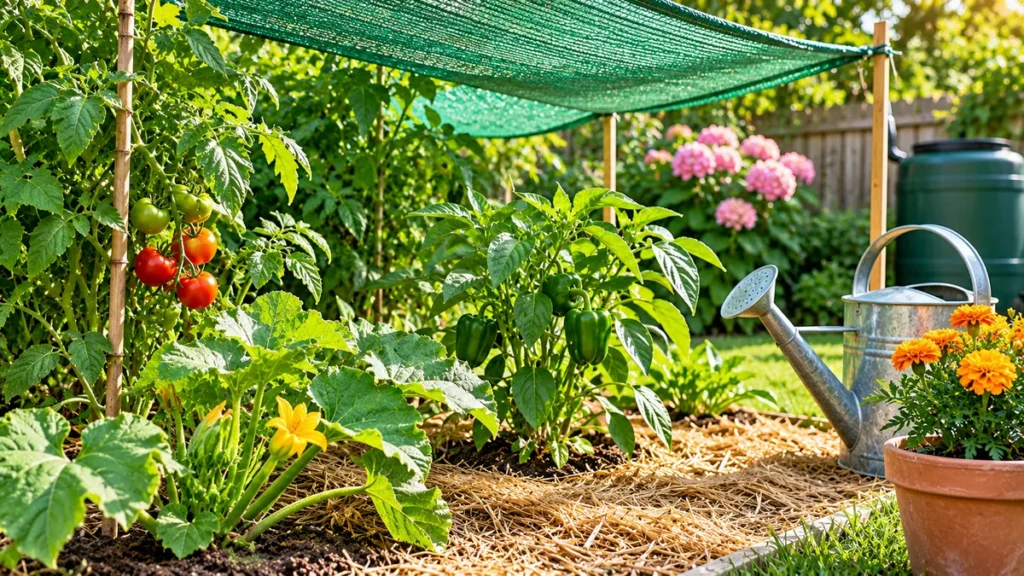
Summer Container Gardening: Watering and Heat Protection
Summer is often the most demanding season for container gardening. High temperatures, strong sunlight, and warm winds can remove moisture from potting mix quickly.
Plants growing in small containers or on exposed balconies may require particularly close attention.
Check Moisture Frequently
During warm or windy weather, inspect containers daily or more frequently when conditions are extreme. Check below the surface rather than relying only on how dry the top looks.
The watering needs of a large fruiting tomato plant can be very different from those of a compact succulent or established drought-tolerant herb.
Where appropriate, water thoroughly enough to moisten the root zone and allow excess water to drain. Avoid leaving ordinary containers standing in water for extended periods.
Protect Roots From Excessive Heat
Hard paving, dark walls, and exposed metal surfaces can become very warm in direct sunlight. Containers positioned near these surfaces may experience higher temperatures around their roots.
Consider relocating movable pots to a more suitable position, using light-colored or insulated outer containers where appropriate, and keeping sensitive plants away from the hottest reflective surfaces.
Temporary afternoon shade can help some heat-sensitive plants. However, fruiting vegetables generally still need substantial sunlight, so avoid unnecessarily reducing their light exposure throughout the day.
Use Mulch Where Suitable
A modest layer of suitable organic mulch can reduce evaporation from the surface of larger containers. Keep mulch from covering delicate seedlings or pressing tightly against stems.
Mulch reduces some water loss but does not eliminate the need to check the root zone. Actively growing plants still lose substantial moisture through their foliage.
Manage Fertilizer During Active Growth
Fast-growing vegetables and flowering annuals may need additional nutrients during the growing season. The appropriate fertilizer depends on the plant, existing nutrients in the mix, and whether a slow-release product was added during planting.
Follow fertilizer instructions and avoid applying extra feed every time a plant shows stress. Brown leaf tips, wilting, and poor growth may reflect watering or root problems rather than nutrient deficiency.
Monitor Pests and Diseases
Inspect leaf undersides, stems, and tender shoots regularly. Aphids, spider mites, whiteflies, and other pests can affect container plants, although their prevalence varies by region and growing conditions.
Maintain sensible plant spacing and air circulation. Identify pests before applying treatments, and avoid unnecessary broad-spectrum insecticides that can harm beneficial organisms.
Summer Container Gardening Checklist
- Monitor root-zone moisture closely during hot or windy weather.
- Check irrigation systems and blocked drainage openings.
- Reduce excessive reflected heat around vulnerable pots.
- Provide suitable support for tall or climbing crops.
- Harvest vegetables and herbs at the appropriate stage.
- Inspect regularly for pests and leaf damage.
- Apply fertilizer only according to plant needs and product instructions.
- Protect sensitive plants during extreme heat without unnecessarily depriving them of light.
Important Caution: Wilting during hot weather does not always mean the potting mix is dry. A plant can also wilt when roots are damaged or soil remains saturated. Check moisture before adding water, especially if the container already feels heavy or wet.
Autumn Container Gardening: Changing Crops and Preparing for Cold
Autumn can provide another productive growing opportunity, especially in climates where intense summer heat limits leafy vegetables.
It is also a useful time to review which plants will remain outdoors, which need winter protection, and which seasonal crops have completed their life cycle.
Replace Finished Summer Crops
When an annual vegetable has finished producing, remove it and assess the condition of the growing medium. Check for persistent roots, pests, disease symptoms, and structural deterioration.
Where the medium is healthy and suitable, it may be possible to refresh it for another crop. If a serious soilborne disease affected the previous plant, avoid transferring potentially contaminated material to healthy containers.
Grow Suitable Cool-Season Vegetables
Depending on local conditions, autumn containers may support crops such as lettuce, spinach, arugula, radishes, certain brassica greens, or other cool-season vegetables.
Planting should begin early enough for crops to establish before severe cold or insufficient daylight limits growth.
In mild-winter climates, some greens may continue producing into cooler months. In colder locations, a protective structure may extend the season, although growth will often slow when light and temperature are limited.
Review Tender Perennials
Some container-grown herbs and ornamental perennials cannot survive prolonged freezing temperatures. Identify the hardiness needs of each plant before winter arrives.
Depending on the species, it may be appropriate to move a plant to a greenhouse, sheltered porch, or suitable indoor space.
Plants brought indoors should be inspected for pests, given suitable light, and acclimatized to their new environment. Moving a plant into a dark room does not automatically protect its health.
Reduce Feeding as Growth Slows
Many outdoor container plants use fewer nutrients as temperatures and available light decline. Continue feeding only where appropriate for actively growing crops or species with particular seasonal requirements.
Avoid encouraging tender late growth on susceptible perennial plants immediately before harsh winter weather.
Autumn Container Gardening Checklist
- Harvest remaining suitable warm-season produce.
- Remove finished annual crops and inspect the growing medium.
- Prepare cool-season plantings where the climate allows.
- Check frost forecasts and the hardiness of tender perennials.
- Plan which containers need shelter or indoor accommodation.
- Reduce unnecessary watering and feeding as plant growth slows.
- Inspect pots, supports, and drainage before winter.
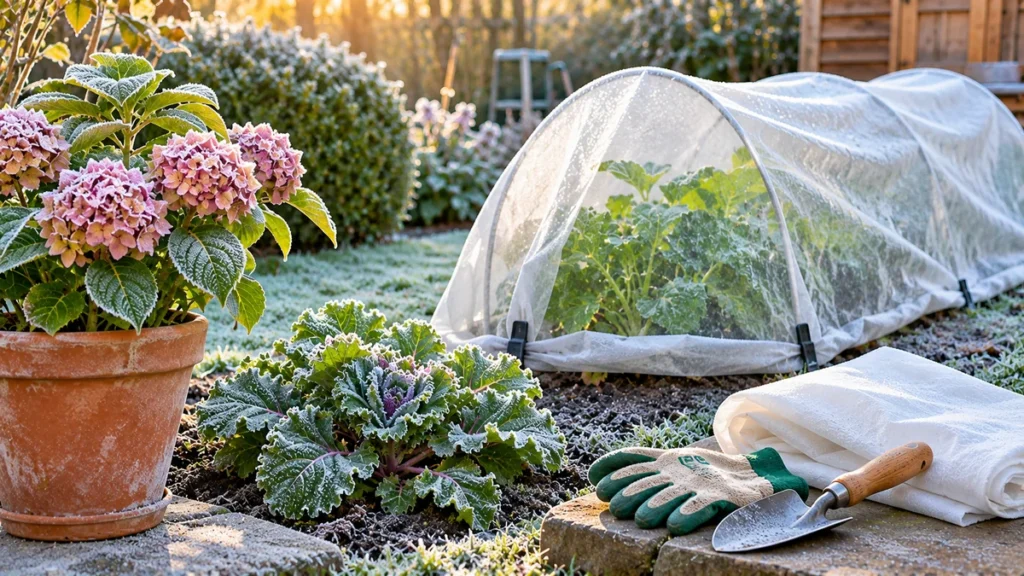
Winter Container Gardening: Protecting Roots and Managing Moisture
Winter care depends heavily on climate. A container garden in a mild coastal region may stay green and productive, while a garden in a cold continental climate may require protection for most outdoor pots.
The main concerns are freezing roots, waterlogged growing media, drying winds, and periods when plants are dormant or growing slowly.
Protect Container Roots From Freezing
Roots in pots are generally more exposed to winter temperatures than roots in the ground. Even a perennial that is hardy in garden soil may be less resilient in a small, exposed container.
In cold regions, group suitable pots in a sheltered location, consider insulating containers, and use protection appropriate for the species and expected temperatures.
Frost-resistant and frost-proof containers are not necessarily the same. Select materials suited to local winter conditions, especially if ceramic or terracotta pots will remain outdoors.
Moving plants into an unheated greenhouse or other sheltered area may help, but the temperature inside should still be checked. An unheated structure can freeze during severe weather.
Prevent Waterlogging
Winter rain can keep container media saturated for long periods. When plants use less water, this moisture may persist and reduce oxygen around the roots.
Check that drainage holes are clear. Raise suitable pots on stable feet or supports when necessary to prevent water from accumulating beneath them.
For containers exposed to prolonged rainfall, temporary shelter may be useful, especially for species that prefer relatively dry winter conditions.
Do Container Plants Need Water in Winter?
Yes, some do. Evergreen plants and containers kept under cover may dry out during mild, windy winter weather.
Check the growing medium and water only when appropriate. Avoid adding water to frozen or already saturated soil, and choose suitable frost-free conditions for watering outdoor pots where possible.
Dormant deciduous plants generally have much lower moisture demand than actively growing summer vegetables, but they should not be allowed to suffer damaging root desiccation.
Should You Fertilize in Winter?
Most dormant outdoor container plants do not need fertilizer during winter. Their nutrient uptake and growth are limited.
Exceptions may include actively growing plants in mild climates or protected cultivation. Follow species-specific guidance and avoid fertilizer simply because a plant looks less vigorous during its normal resting period.
Winter Container Gardening Checklist
- Identify plants that need protection from freezing temperatures.
- Move or insulate vulnerable containers as appropriate.
- Check drainage and prevent prolonged waterlogging.
- Inspect sheltered evergreen plants for winter dryness.
- Reduce watering according to growth rate and weather.
- Avoid routine fertilizer applications to dormant plants.
- Keep an eye on severe wind, storms, and unstable pots.
- Plan the next planting season while protecting surviving plants.
Good to Know: Winter protection is about the roots as well as the leaves. Covering foliage may offer some short-term frost protection, but the rootball can still freeze in an exposed container. Match protection to the species, container, and severity of the weather.
What Can You Grow in Containers During Each Season?
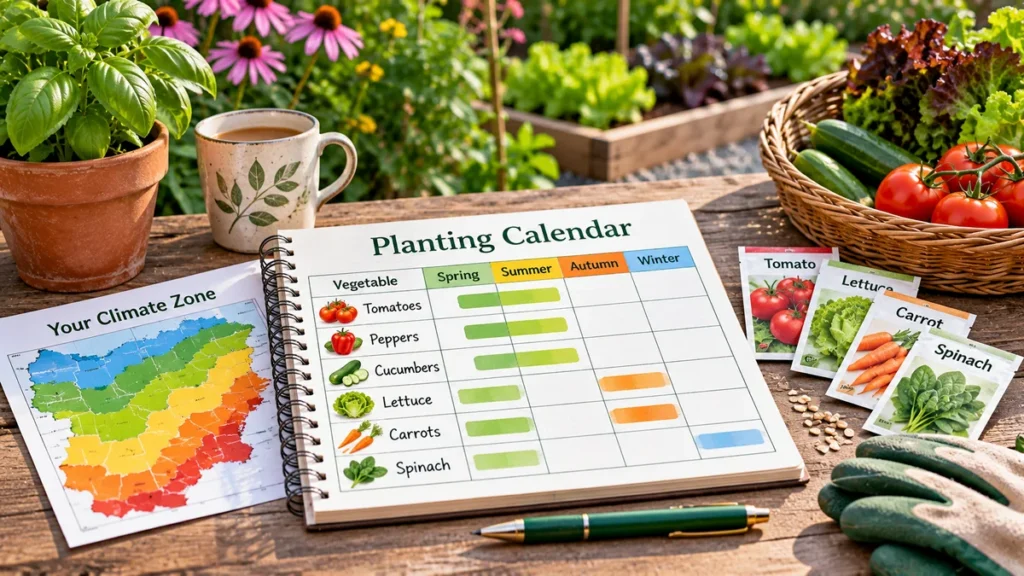
There is no single plant list suitable for every climate. The following examples are starting points for gardeners in regions with recognizable cool and warm seasons. Check local planting dates, temperatures, available light, and the requirements of the variety.
Spring Planting Ideas
Cool-season salad greens, radishes, peas, and suitable herbs can work well during mild spring weather. Tender crops such as tomatoes and peppers should be planted outdoors only when conditions are warm enough for their needs.
Summer Planting Ideas
Warm-season container crops may include compact tomatoes, peppers, bush beans, cucumbers, and basil. The growing environment must provide appropriate sunlight, growing space, support, and moisture.
In very hot climates, heat-sensitive salad greens may perform better in cooler periods or in positions protected from extreme afternoon heat.
Autumn Planting Ideas
In suitable climates, autumn can be a good time for lettuce, spinach, arugula, radishes, and other cool-season vegetables. Timing is important because shorter days and lower temperatures may slow growth.
Winter Planting and Display Ideas
In mild areas, some hardy greens and seasonal ornamentals can remain outdoors. Cold-climate gardeners may use protected cultivation for selected crops or maintain hardy perennials in insulated containers.
Indoor microgreens or baby greens under suitable supplemental lighting offer another way to grow edible plants when outdoor conditions are unfavorable.
Remember that surviving winter and actively producing a harvest are different. A cold-hardy plant may remain alive while producing little new growth because light and temperature are limiting.
Year-Round Container Gardening: Seasonal Comparison Table
This table summarizes the main changes in a typical temperate climate. Adjust the advice for your local season, rainfall, temperature, and plant species.
| Season | Main priorities | Watering and feeding | Planting focus |
|---|---|---|---|
| Spring | Inspect pots, refresh media, establish new plants | Increase gradually as growth resumes | Cool-season crops and suitable transplants |
| Summer | Manage heat, monitor pests, support active growth | Check moisture frequently; feed according to crop needs | Warm-season vegetables, herbs, and flowers |
| Autumn | Change crops, assess perennials, prepare for cold | Adjust downward as growth slows | Cool-season vegetables and suitable seasonal displays |
| Winter | Protect roots, maintain drainage, monitor sheltered pots | Water only as needed; little or no feeding for dormant plants | Hardy plants, protected crops, or indoor growing |
How Watering and Fertilizing Change Throughout the Year
The most important seasonal adjustment is understanding that the same plant may use water and nutrients at very different rates during the year.
Watering Depends on More Than Temperature
Container moisture demand is influenced by several factors:
- Plant size: Large, actively growing plants generally use more water than small seedlings or dormant plants.
- Container volume: Small pots often dry faster than larger ones.
- Pot material: Porous materials may allow more moisture to evaporate.
- Sun and wind: Exposed containers commonly lose water faster than sheltered ones.
- Growing medium: Different mixes hold and release moisture differently.
- Seasonal growth: Many plants require less frequent watering during periods of slow growth.
Checking moisture below the surface helps prevent overwatering and underwatering. For manageable lightweight pots, comparing their weight when recently watered and when approaching dryness can also be useful.
Fertilizer Should Follow Plant Growth
Fast-growing vegetables may require more nutrients during active production than dormant perennial shrubs. However, plants should be fed according to their needs and the nutrients already present in the growing medium.
Some commercial potting mixes include controlled-release fertilizer. Check the product information before adding more.
Excess fertilizer can lead to soluble salt buildup and root stress, especially in containers with inadequate drainage.
Avoid Fixed Year-Round Schedules
A schedule such as watering every morning or feeding every week throughout the year ignores seasonal conditions.
Instead, use a routine of observation. Check the root zone, look at new growth, review recent weather, and make adjustments based on the actual plant.
Gardening Tip: Keep a simple container-garden record with planting dates, crop varieties, fertilizer applications, and seasonal problems. Over time, this makes it easier to predict which pots dry out quickly, which plants need protection, and which crops perform best in your climate.
Can You Grow Container Vegetables Indoors Year-Round?
Yes, selected edible plants can be grown indoors throughout the year when appropriate light, temperature, growing medium, moisture, and air circulation are available.
However, indoor growing is not automatically easy. Short winter days and low window light can limit growth, particularly for fruiting vegetables.
Microgreens and Baby Greens
Microgreens and baby greens are practical options for small indoor growing areas. They can be grown in shallow trays and harvested relatively quickly compared with full-size vegetables.
Use suitable seed, clean containers, appropriate growing medium, and adequate light. Follow safe growing and harvesting practices, especially when producing food intended to be eaten raw.
Herbs Indoors
Some herbs can grow indoors with sufficient light and appropriate care. Their success depends on the species. A sunny window may work for certain plants, but supplemental lighting may be needed in darker seasons.
Do not place every herb into identical conditions. Basil generally has different temperature and moisture requirements from rosemary or thyme.
What About Tomatoes and Peppers Indoors?
Compact varieties may be grown in suitable indoor or protected systems, but they usually require much stronger lighting and more growing space than salad greens.
Flowering, pollination, temperature control, and nutrient management also become important. For beginners, short-cycle leafy crops are often easier to manage than fruiting vegetables indoors.
Check Plants Before Bringing Them Inside
Outdoor container plants can carry pests into indoor growing spaces. Inspect leaf undersides, growing tips, and stems before bringing plants inside, and monitor them separately from established houseplants where practical.
Provide suitable light and avoid exposing plants to sudden temperature changes or hot, dry air from heating systems.
Common Year-Round Container Gardening Mistakes
Using the Same Watering Schedule Every Season
Plants often use water more quickly during active summer growth and more slowly during cold or dormant periods. A fixed schedule can lead to drought stress in one season and waterlogging in another.
Ignoring Container Size and Root Exposure
Very small pots can dry quickly in summer and experience rapid temperature changes in winter. Select containers that provide adequate root space and appropriate protection for the growing location.
Leaving Tender Plants Outdoors During Freezing Weather
A plant may survive a cool night but suffer serious injury during a hard frost. Check its cold tolerance and local weather conditions before deciding whether it needs protection.
Overfertilizing Slow-Growing Plants
Reduced growth in winter may be normal. Applying extra fertilizer to compensate for low light or cold temperatures may not improve the plant and can contribute to excess salts in the growing medium.
Using Poorly Drained Containers
Containers without suitable drainage are especially vulnerable during prolonged wet weather. Waterlogged medium can impair root health and contribute to decline.
Planting the Wrong Crop for the Season
Cool-season crops may struggle in extreme summer heat, while warm-season crops can be damaged by cold. Choose crops according to local growing temperatures rather than following a planting list from a different region.
Expecting Constant Growth From Dormant Plants
Some perennials naturally slow down or become dormant during colder seasons. This is not necessarily a problem requiring fertilizer, additional watering, or repotting.
Frequently Asked Questions About Year-Round Container Gardening
Can you grow vegetables in containers all year?
In some mild climates, outdoor containers can produce vegetables during much of the year. In colder regions, production may require a greenhouse, cold frame, or indoor growing setup. Crop choice, light, and temperature determine what is possible.
Do container plants need more water in summer?
Often, yes. Heat, wind, and active plant growth can increase water demand. However, the correct frequency depends on the species, pot size, medium, and actual moisture conditions.
Should I water container plants in winter?
Some container plants still need water in winter, especially evergreens kept under shelter or exposed to drying winds. Check moisture and water only when appropriate, avoiding already saturated or frozen growing media.
Should I fertilize container plants throughout the year?
Not usually. Fertilizer needs depend on plant growth, existing nutrient supply, species, and season. Dormant outdoor plants generally need little or no feeding, while actively growing crops may require nutrition according to their requirements.
What containers are best for winter gardening?
Choose containers suited to your climate, with appropriate durability and drainage. Frost-proof materials and suitable insulation can help in freezing regions. Plant hardiness and root protection matter as much as the pot material.
Can you keep perennial plants in pots through winter?
Many perennials can remain in containers, but their winter survival depends on species hardiness, local temperatures, pot size, drainage, and protection. Container roots are more exposed than roots in open ground, so some plants need additional shelter.
When should I replace potting mix?
Replace or refresh potting mix when its structure has deteriorated, root growth is restricted, or the next crop requires a different medium. The correct interval depends on the plant, potting mix, disease history, and container use.
What vegetables are good for cool-season containers?
Depending on local conditions, lettuce, spinach, arugula, radishes, peas, and certain other greens may be suitable. Follow climate-specific guidance because cool-season planting windows vary widely.
Can I use the same container for different crops?
Yes, if the container is appropriately sized, clean, and suitable for the new crop. Inspect the growing medium between plantings and avoid reusing potentially infected material without appropriate management.
How can I grow food indoors during winter?
Microgreens, baby greens, and suitable herbs can be grown indoors with adequate light, appropriate temperatures, clean growing materials, and sensible watering. Supplemental grow lights may be needed when natural daylight is insufficient.
Final Thoughts
Year-round container gardening is less about keeping every plant growing continuously and more about adapting your approach as conditions change.
Spring is a time to prepare and establish new growth. Summer often requires closer attention to moisture, heat, and plant nutrition. Autumn provides opportunities to replace crops and prepare tender plants for colder weather. Winter shifts the focus toward protecting roots, preventing waterlogging, and caring appropriately for slow-growing or dormant plants.
With the right containers, suitable plants, and a flexible care routine, a patio, balcony, or small outdoor space can remain attractive and useful across the seasons. In suitable climates or protected growing systems, it may also provide edible harvests at several times of year.
For more climate-aware planting ideas, explore our Seasonal Gardening guides. If you are working with a balcony, patio, or limited growing space, visit Small-Space Gardening. For help managing moisture and growing media, browse Soil & Watering.
Further Reading and Horticultural References
- Royal Horticultural Society: Container Maintenance — seasonal care, watering, feeding, frost protection, and winter drainage.
- Royal Horticultural Society: Growing Plants in Containers — container materials, planting methods, and ongoing care.
- Royal Horticultural Society: Winter Containers — winter plant selection and protecting outdoor pots.
- Royal Horticultural Society: Vegetables in Containers — suitable vegetable crops and seasonal considerations.
- University of Maryland Extension: Growing Vegetables in Containers and Salad Tables — choosing crops, drainage, watering, potting mix, and seasonal growing conditions.
- University of Maryland Extension: Growing Microgreens and Baby Greens Indoors — indoor edible growing with supplemental light.