Common Container Gardening Mistakes

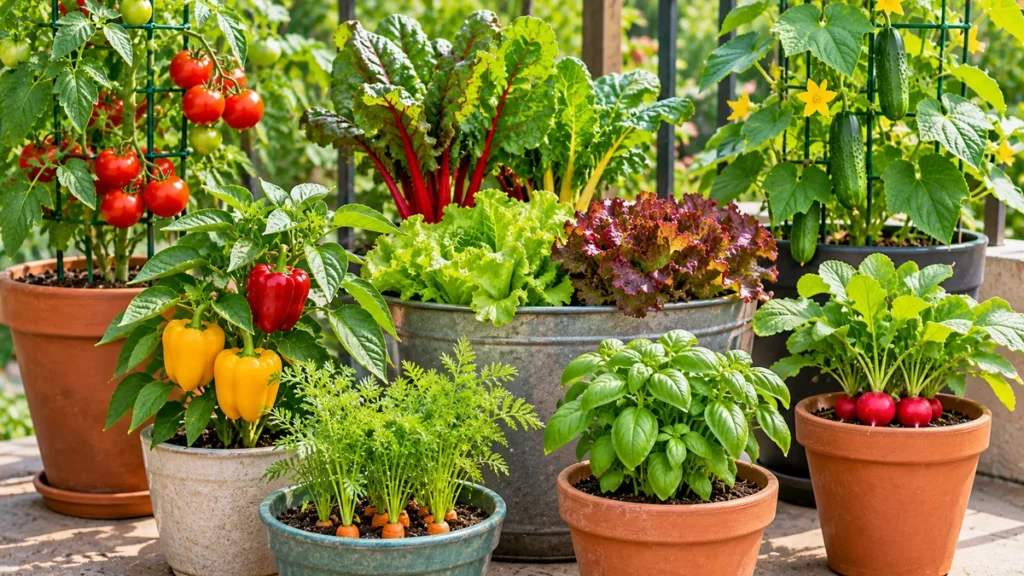
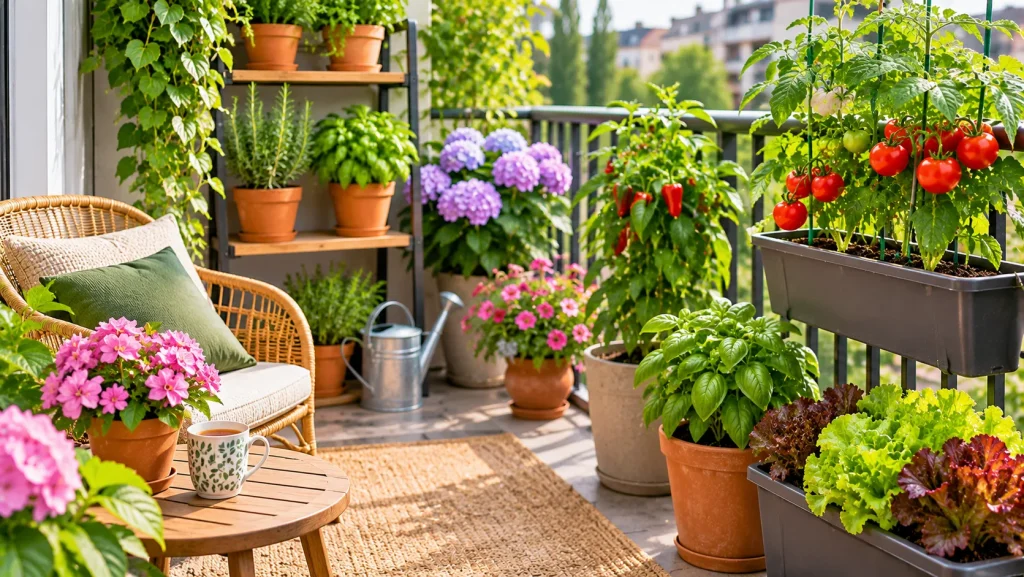
Container gardening is one of the easiest ways to grow plants when you have limited outdoor space. Whether you have a balcony, patio, small backyard, sunny windowsill, or rooftop, pots allow you to grow flowers, herbs, vegetables, and even some compact fruiting plants without a traditional garden bed.
However, growing plants in containers creates challenges that are different from gardening directly in the ground. Roots have limited space, potting mix can dry quickly, nutrients may become depleted, and excessive watering can leave the root zone without enough oxygen.
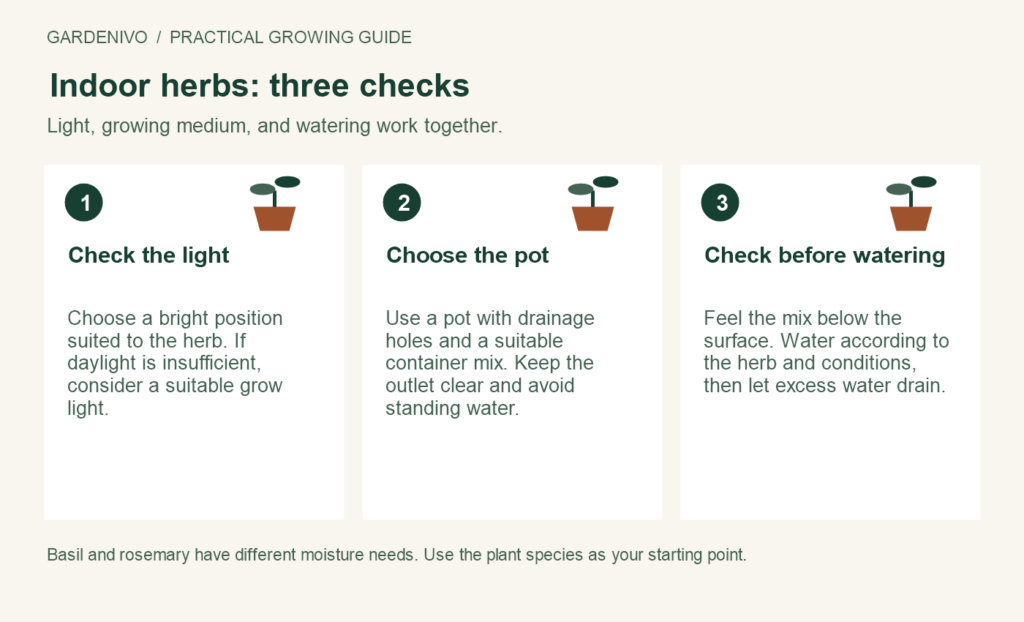
Many beginners make the same mistakes: choosing pots that are too small, adding gravel to the bottom for drainage, planting too many seedlings together, or following a fixed watering schedule. Others place vegetables where they receive insufficient sunlight or overlook the need to feed actively growing container crops. If your containers stay wet, work through the pot drainage checks before changing your watering schedule.
The good news is that most of these problems are preventable. Understanding how containers affect roots, moisture, temperature, and nutrient availability can make a significant difference to plant health.
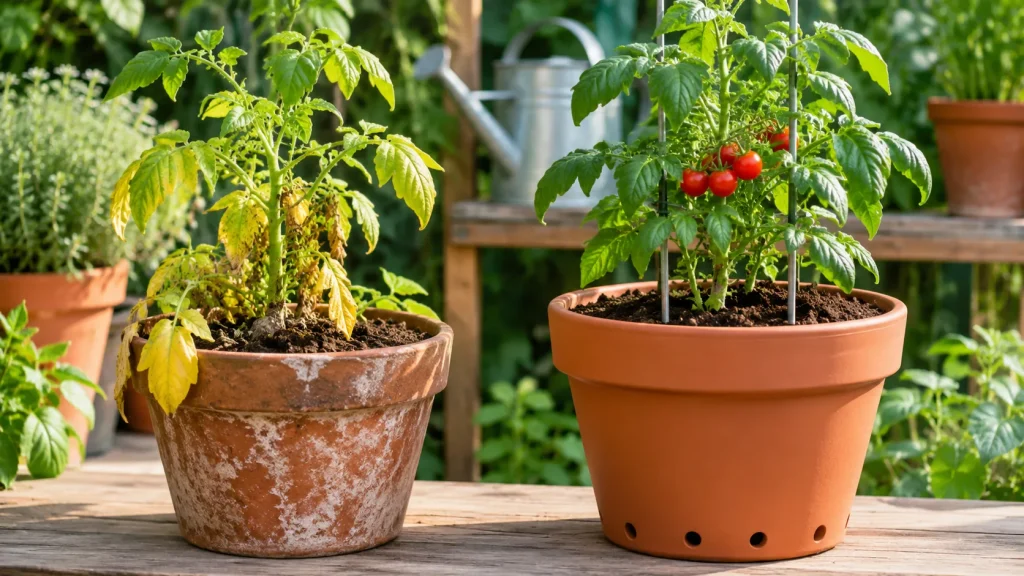
In this guide, you’ll learn 20 common container gardening mistakes, why they happen, and how to avoid them. You’ll also find a troubleshooting table, a simple container setup process, a practical maintenance checklist, and answers to frequently asked questions.
Quick Answer: What Are the Most Common Container Gardening Mistakes?
The most common container gardening mistakes involve unsuitable pots, poor drainage, incorrect watering, insufficient sunlight, overcrowding, and inadequate nutrient management.
Plants growing in containers depend on a relatively small volume of growing medium. Because their roots cannot spread freely through surrounding garden soil, mistakes involving water, nutrients, and root space may affect them more quickly than plants growing in the ground.
These are the most important problems to avoid:
- Using pots that are too small: Restricts root growth and increases the risk of rapid drying.
- Overpotting small plants: Excess growing medium can remain wet for too long.
- Overcrowding: Plants compete for light, root space, water, and nutrients.
- Ignoring drainage holes: Excess water may accumulate around roots.
- Adding gravel beneath potting mix: Does not improve ordinary container drainage.
- Using garden soil alone: Can create a dense, poorly aerated root environment.
- Overwatering: Saturated growing media can restrict oxygen around roots.
- Underwatering: Small containers may dry rapidly during hot or windy weather.
- Insufficient sunlight: Sun-loving vegetables may grow weakly or produce few fruits.
- Incorrect feeding: Both nutrient shortages and excess fertilizer can damage plants.
- Ignoring temperature: Containers expose roots to stronger temperature fluctuations.
- Neglecting maintenance: Root-bound plants, pests, and deteriorating media can gradually reduce growth.
The best prevention strategy is to choose the right plant and container, use a suitable potting medium, monitor moisture rather than watering automatically, and adjust care to the plant’s growing conditions.
Gardening Tip: If your container garden is struggling, check these four things first: pot size, drainage holes, moisture around the roots, and daily sunlight. These simple checks can reveal many common problems before you spend money on fertilizers or pest treatments.
Why Container Gardens Have Different Growing Challenges
In an ordinary garden bed, roots may extend across a large area in search of water and nutrients. Soil also provides insulation against rapid temperature changes.
Container plants have less flexibility. Their roots occupy the available space inside a pot, and the growing medium may heat up, cool down, dry out, or become saturated more quickly than the soil in a garden bed.
Limited Root Space
Roots need room to develop and absorb water and nutrients. In an undersized container, the root system may become crowded, while an excessively large pot can hold more moisture than a small plant can use.
Choosing an appropriate container size is therefore important for both root growth and moisture management.
Faster Moisture Changes
A small outdoor pot can dry rapidly during hot, sunny, or windy weather.
However, the same container may remain excessively wet during cool weather if the plant is not actively growing.
This is why a watering schedule that works during summer may be unsuitable during winter.
Limited Nutrient Reserves
Potting mixes contain a finite quantity of nutrients, and their availability changes as plants grow and water moves through the container.
Some commercial mixes contain starter fertilizer, while others require a separate feeding program.
Nutrient management should therefore reflect the crop, growing medium, and growth stage rather than one universal feeding schedule.
Greater Exposure to Weather
Container roots are often exposed to stronger seasonal temperature changes than roots growing deep in the ground.
Dark containers and pots positioned against hot walls or paved surfaces may become particularly warm during summer.
In colder climates, containers may also freeze more readily than surrounding garden soil.
Mistakes 1–4: Choosing the Wrong Containers and Plants
Mistake 1: Choosing a Pot That Is Too Small
Small pots may look attractive and fit neatly on windowsills or balconies, but they are not suitable for every plant.
A plant with insufficient root space may become pot-bound, dry rapidly, or produce less vigorous growth.
Fruiting vegetables such as tomatoes and cucumbers can require substantially more root volume than compact herbs or shallow-rooted salad greens.
How to avoid it: Research the mature plant size and its recommended container dimensions before planting. Select a pot that provides enough space for the expected root system.
For larger container vegetables, a pot approximately 45 cm (18 inches) wide and deep may provide a useful starting point for suitable crops, but exact requirements vary considerably by variety and growing system.
Mistake 2: Moving a Small Plant Into an Oversized Pot
It might seem logical to place a young houseplant in an enormous pot so it has room to grow for several years.
However, a small root system may use water slowly compared with the volume of growing medium surrounding it.
The unused medium may remain wet for extended periods, especially under cool or low-light conditions.
How to avoid it: For many ordinary houseplants, move up one reasonable pot size during repotting rather than selecting a dramatically larger container.
The correct pot size depends on root development, plant type, growth rate, and growing-medium characteristics.
Mistake 3: Planting Too Many Plants Together
A densely planted container can look impressive when seedlings are small, but it may become overcrowded as the plants mature.
Roots compete for water, nutrients, and space. Leaves also compete for sunlight, and dense growth can reduce air circulation.
Overcrowding may reduce flowering or vegetable production and can increase the risk of some leaf diseases.
How to avoid it: Follow crop spacing guidance, consider mature plant width, and thin seedlings when appropriate.
When combining ornamental plants, choose varieties with compatible mature sizes and growth habits.
Mistake 4: Choosing Plants That Do Not Suit the Available Space
Not every vegetable, flower, or shrub is equally suitable for a small balcony or windowsill.
Vigorous climbing plants may need significant support, large vegetables may become difficult to maintain in restricted containers, and plants requiring full sun may struggle in shaded locations.
How to avoid it: Choose compact, dwarf, bush, or container-suitable varieties when space is limited.
Consider the mature height and width, root volume, sunlight needs, water requirements, and whether a trellis or other support will be necessary.
Mistakes 5–7: Poor Drainage and Waterlogged Roots
Mistake 5: Using Containers Without Drainage Holes
Drainage holes allow excess irrigation water to leave an ordinary plant pot.
Without a suitable outlet, water can accumulate inside the container and leave roots surrounded by saturated growing medium.
This restricts oxygen availability and may lead to root damage or contribute to certain root diseases.
How to avoid it: Use pots with functional drainage holes. If you prefer a decorative pot without holes, place a separate draining nursery pot inside it and remove accumulated water after irrigation.
Purpose-designed self-watering planters are an exception because they use a controlled reservoir and a suitable growing system.
Mistake 6: Adding a Thick Gravel Layer at the Bottom
A common gardening myth suggests that gravel or broken pottery beneath the growing medium improves drainage.
In ordinary pots, a coarse layer beneath finer growing material does not make the potting mix drain more effectively.
Water can remain in the finer medium immediately above the coarse layer, raising the saturated zone and reducing the depth available for healthy roots.
How to avoid it: Use an appropriate growing medium throughout the container and ensure drainage holes remain functional.
If large openings allow potting mix to escape, use a small piece of suitable porous mesh rather than a thick layer of stones.
Mistake 7: Leaving Pots Standing in Water
Saucers and decorative outer pots can collect water after irrigation or rainfall.
If an ordinary nursery pot remains submerged in this water, the bottom of the growing medium may stay excessively wet.
How to avoid it: Inspect saucers and outer containers regularly and empty excess water when appropriate.
Outdoor pots may benefit from stable pot feet if drainage openings are obstructed by flat paving.
Do not leave stagnant water around containers where it may encourage mosquito breeding.
Mistakes 8–9: Using the Wrong Potting Mix
Mistake 8: Filling Containers With Ordinary Garden Soil
Soil that performs well in a garden bed may not behave the same way inside a pot.
Ordinary garden soil can become dense and compacted within a container, restricting drainage and oxygen movement around roots.
It may also contain weed seeds or organisms that cause plant problems.
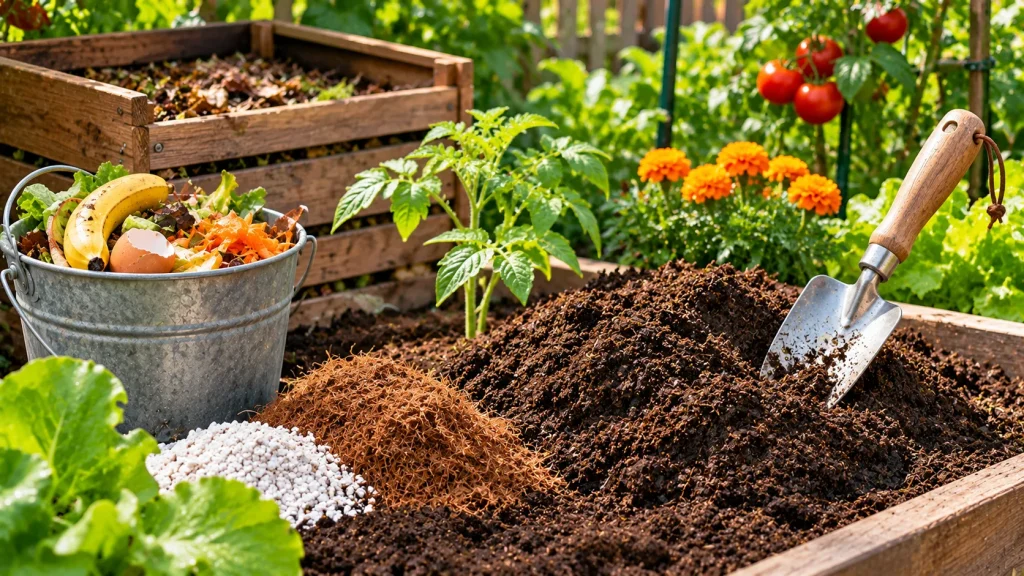
How to avoid it: Use a suitable commercial potting mix or a properly formulated container growing medium.
Many mixes contain ingredients such as coir, composted bark, perlite, and other materials that help balance moisture retention and aeration.
Some large, long-term containers use specialist soil-based composts, but these are different from simply digging garden soil into a pot.
Mistake 9: Using the Same Growing Medium for Every Plant
Different plants have different root structures and moisture requirements.
Many cacti and drought-adapted succulents prefer relatively fast-draining growing media. Moth orchids commonly need coarse bark-based mixtures, while vegetables and leafy herbs benefit from media that retain sufficient moisture for active growth.
How to avoid it: Match the growing medium to the plant rather than relying on one generic recipe for every container.
Read product labels, especially when growing specialist plants such as orchids, blueberries, or carnivorous plants.
Avoid packing any growing medium so tightly that its air spaces are unnecessarily compressed.
Mistakes 10–12: Incorrect Watering Practices
Mistake 10: Watering Too Frequently
Overwatering is one of the most common reasons container plants struggle.
When the growing medium remains saturated for too long, roots may not receive enough oxygen to function normally.
Yellowing leaves, weak growth, and wilting can occur even though the pot contains plenty of moisture.
How to avoid it: Check moisture below the surface before watering. The appropriate level of dryness depends on the plant species and growing conditions.
Do not assume that a wilting plant automatically needs more water. It may be suffering from saturated soil.
Mistake 11: Allowing Pots to Become Severely Dry
Containers can dry rapidly during hot, windy weather, particularly when they are small or made from porous materials.
Severe dryness can damage roots, cause wilting, and reduce growth, flowering, or fruit quality.
Some organic potting mixes also become difficult to rewet after drying excessively. Water may run around the sides of the rootball without soaking into the center.
How to avoid it: Check pots frequently during dry weather, particularly newly planted containers and those containing thirsty vegetables.
If the growing medium has become water-repellent, rewet it gradually using a method suitable for the plant.
Mistake 12: Following a Fixed Watering Schedule Without Checking Soil
Watering every morning or every two days may seem convenient, but plants do not use identical amounts of water throughout the year.
A container in full summer sun may dry quickly, while another pot in cool shade may remain damp for several days.
Small seedlings, mature vegetables, dormant plants, and established shrubs also have different water requirements.
How to avoid it: Make checking soil moisture your routine, rather than watering automatically.
Use a finger, a suitable probe, or the weight of a lightweight pot to help judge moisture. Water thoroughly when needed, allowing excess water to drain, and adjust for the species and season.
Good to Know: Checking a container every day is not the same as watering it every day. During summer heat, daily inspection may be sensible, but only water when the growing medium and plant actually need it.
Mistakes 13–15: Ignoring Sunlight, Heat, and Seasonal Conditions
Mistake 13: Placing Sun-Loving Vegetables in Too Much Shade
Plants need sufficient light to support photosynthesis and healthy development.
Many warm-season fruiting vegetables, including tomatoes, peppers, and eggplants, generally perform best with approximately 6–8 hours of direct sunlight per day.
Some cool-season leafy vegetables can grow with less direct sunlight, often around 3–5 hours under suitable conditions.
How to avoid it: Observe your balcony, patio, or garden area at different times of day before choosing crops.
If sunlight is limited, choose shade-tolerant crops or suitable ornamental plants rather than expecting full-sun vegetables to produce heavily in deep shade.
Mistake 14: Ignoring Heat Reflected From Walls and Pavement
Containers positioned near dark paving, brick walls, metal railings, or reflective surfaces can experience more intense heat than plants growing in an open garden bed.
Dark-colored containers may also absorb more solar radiation, increasing the temperature around the growing medium.
Excessive root-zone heat can stress plants, especially during prolonged heatwaves.
How to avoid it: Consider lighter-colored containers, suitable afternoon protection, and adequate air circulation in exposed locations.
Move sensitive pots when practical, but maintain enough light for the plant’s normal growth.
Mistake 15: Moving Indoor-Grown Plants Outside Too Quickly
Plants grown indoors, in a greenhouse, or under artificial lights may not be adapted to full outdoor sun, strong winds, and fluctuating temperatures.
Moving them suddenly into harsh outdoor conditions can cause leaf scorch, wilting, or cold injury.
How to avoid it: Harden off suitable plants gradually before permanently moving them outdoors.
Begin in a sheltered location with limited direct sunlight and gradually increase exposure according to the plant’s needs and weather conditions.
Do not expose frost-sensitive plants to unsafe overnight temperatures during the transition.
Mistakes 16–17: Poor Fertilizer and Nutrient Management
Mistake 16: Never Replacing Nutrients Used by Growing Plants
Container plants have access to a limited quantity of growing medium and nutrients.
Fast-growing vegetables may use substantial nutrients during leaf development, flowering, and fruit production.
Some nutrients may also be washed from the container during repeated watering.
How to avoid it: Check whether your commercial potting mix already contains fertilizer and follow appropriate crop-specific feeding guidance.
Long-season vegetables and actively growing flowering plants may require supplemental feeding when the original nutrient supply becomes insufficient.
However, many slower-growing plants need much less fertilizer, particularly during periods of reduced growth.
Mistake 17: Applying Too Much Fertilizer
Adding more fertilizer does not automatically produce more flowers, leaves, or fruit.
Excessive nutrients can cause salt injury, damage roots, and create imbalances that interfere with normal growth.
For example, excessive nitrogen can encourage strong leafy growth without necessarily improving fruit production in tomatoes and some other crops.
How to avoid it: Follow product instructions, consider nutrients already present in the potting mix, and avoid combining several fertilizers without a clear reason.
If plants appear unhealthy, investigate moisture, roots, sunlight, temperature, and pests before assuming additional feeding is necessary.
Mistakes 18–20: Neglecting Plant Support, Roots, and Pest Checks
Mistake 18: Failing to Support Climbing or Top-Heavy Plants
Tomatoes, climbing beans, cucumbers, and several ornamental vines may require support as they grow.
Without adequate support, stems may bend, break, or spread across nearby plants.
A tall plant growing in a lightweight container may also become unstable during strong winds.
How to avoid it: Install a suitable trellis, stake, cage, or other support early enough to avoid damaging established roots.
Ensure that the container and support are stable and safely secured, especially on balconies or exposed patios.
Mistake 19: Ignoring Root-Bound Plants and Deteriorating Potting Mix
As plants develop, their roots may fill the container and begin circling the inside walls.
Some plants become pot-bound, reducing the space available for healthy root growth and making moisture management more difficult.
Meanwhile, organic potting materials may break down, settle, and lose some of their original structure over time.
How to avoid it: Inspect long-term container plants periodically and repot when root development, growing-medium condition, or plant growth indicates a genuine need.
Repot during a suitable period for the species, protect healthy roots, and choose an appropriate fresh medium.
Do not repeatedly repot a healthy plant simply because a calendar date has arrived.
Mistake 20: Ignoring Pests and Diseases Until Damage Is Severe
Container plants can be affected by aphids, spider mites, fungus gnats, scale insects, caterpillars, root-feeding insects, and various plant diseases.
Overcrowding, poor airflow, prolonged leaf wetness, and stressed growing conditions may contribute to some problems.
How to avoid it: Inspect leaves, stems, and growing media regularly.
Look beneath leaves for insects, check new growth, and investigate unusual spots, distorted foliage, or sudden decline.
Identify the actual problem before applying pesticides or homemade sprays. Many symptoms can be caused by watering or environmental conditions rather than pests.
Use suitable integrated pest management practices and follow local legal requirements and product labels when treatment is justified.
How to Choose Suitable Containers for Different Plants
The ideal container depends on the mature plant size, root structure, sunlight exposure, and growing conditions.
The following table provides practical starting points rather than universal requirements.
| Plant type | Container considerations | Main mistake to avoid |
|---|---|---|
| Leaf lettuce and salad greens | Suitable shallow to medium-depth containers with enough surface area for plant spacing | Overcrowding seedlings and allowing the upper root zone to dry excessively |
| Basil and parsley | Medium containers with suitable moisture-retentive but draining mix | Using a mix that remains saturated or allowing prolonged drought stress |
| Rosemary and thyme | Appropriately sized pots with freely draining growing medium | Keeping roots continuously wet |
| Compact or dwarf tomatoes | Relatively large, stable containers with sufficient root volume and suitable support | Using an undersized pot or providing insufficient sunlight |
| Peppers | Containers with suitable root depth, drainage, warmth, and light | Overwatering in cool conditions or inadequate feeding during active growth |
| Cucumbers | Generous root volume, stable support, and consistent moisture | Inadequate root space, weak trellis support, or allowing severe drying |
| Carrots and root vegetables | Adequate depth for the chosen variety and a suitable fine-textured growing medium | Shallow containers, poor spacing, or compacted media |
| Strawberries | Well-draining containers with suitable root space and light | Inconsistent watering or allowing fruit to remain in persistently wet conditions |
| Succulents and cacti | Suitable pots with drainage and species-appropriate fast-draining mix | Using dense, moisture-retentive media and watering too frequently |
| Common foliage houseplants | Pot size matched to the rootball and a balanced indoor potting mix | Overpotting and prolonged saturation |
Container Gardening Problems and Solutions: Troubleshooting Table
If your plants are already showing problems, use this table to identify possible causes and sensible first checks.
| What you notice | Possible cause | What to check first |
|---|---|---|
| Yellow leaves and constantly wet potting mix | Overwatering, poor drainage, or root stress | Root-zone moisture, drainage holes, and trapped water |
| Leaves wilt and the growing medium is dry | Underwatering or difficult-to-rewet media | Moisture inside the rootball and watering frequency |
| Water runs out while the center of the pot remains dry | Water-repellent growing medium or channeling along pot walls | Internal moisture and need for gradual rewetting |
| Tomato plant grows leaves but produces little fruit | Insufficient sunlight, nutrient imbalance, heat stress, or other growing conditions | Direct sunlight, temperature, crop variety, and fertilizer history |
| Seedlings grow tall, weak, and thin | Insufficient light or crowded conditions | Light intensity and seedling spacing |
| Plant dries out very quickly every day | Undersized pot, large root system, heat, wind, or unsuitable medium | Pot size, moisture behavior, root condition, and exposure |
| Plant remains small despite regular feeding | Restricted roots, unsuitable light, drainage, or other limitations | Root volume, light, moisture, and nutrient supply |
| Leaves develop brown edges | Drought, salt injury, sun exposure, or other stress | Moisture, fertilizer rate, and environmental conditions |
| White crust develops on the pot rim or medium | Possible fertilizer or irrigation-water salt deposits | Water quality, fertilizer use, and drainage |
| Plants fall over or stems break | Inadequate support or unstable container | Stakes, trellis strength, pot stability, and wind exposure |
| Small insects gather around the potting mix | Possible fungus gnats or other insects | Insect identification and persistently wet surface conditions |
| Roots circle densely around the inside of the pot | Pot-bound root system | Whether repotting or appropriate root management is needed |
How to Set Up a Container Garden Correctly: Step-by-Step Guide
A reliable container garden begins with good planning. The following process can help beginners avoid many common mistakes from the start.
- Step 1 — Observe your location. Record direct sunlight, wind exposure, temperature extremes, and any sheltered areas.
- Step 2 — Choose suitable plants. Select species and varieties that match your available space, light, and climate.
- Step 3 — Select the right containers. Choose pots large enough for expected root development but not excessively oversized for small plants.
- Step 4 — Check drainage holes. Make sure excess water can escape and that the pot will not stand in trapped water.
- Step 5 — Choose the growing medium. Use a suitable container-formulated mix rather than ordinary garden soil alone.
- Step 6 — Prepare the mix. Moisten very dry growing media when needed and avoid compacting the mixture excessively.
- Step 7 — Fill the containers. Leave an appropriate space below the rim for watering and avoid adding a gravel drainage layer.
- Step 8 — Plant at the correct depth. Follow seed packet directions or transplant guidance for the particular crop.
- Step 9 — Allow enough growing space. Consider mature plant size and thin extra seedlings when required.
- Step 10 — Add support early. Install suitable stakes, cages, or trellises for plants that will need them.
- Step 11 — Water appropriately. Wet the growing medium gently and allow excess water to drain.
- Step 12 — Monitor moisture. Check beneath the surface, adjusting frequency to weather, plant size, and growing stage.
- Step 13 — Plan nutrient management. Check whether the potting mix contains fertilizer and feed only when appropriate.
- Step 14 — Inspect plant health. Look regularly for unusual leaf symptoms, pests, root problems, or growing-medium deterioration.
An Example Beginner Container Garden
For a sunny patio or balcony with limited space, you might begin with separate containers for a compact tomato variety, basil, parsley, and a shallow planter of salad greens.
Place the tomato where it receives sufficient direct sunlight and provide suitable root space and support.
Grow the leafy crops where their light and temperature needs can be met, and choose potting media that provide appropriate drainage and moisture retention.
Keeping the plants in separate containers allows you to adjust watering, feeding, and positioning independently.
Start with a manageable number of pots and expand only when you can consistently monitor their needs.
Container Garden Maintenance Checklist
Regular observation is one of the simplest ways to prevent container problems. You do not need to perform every task daily, but it helps to establish a routine.
Daily or Frequent Checks During Active Growth
- Check moisture in containers that may dry quickly.
- Look for wilted leaves, unusual discoloration, or heat stress.
- Inspect newly transplanted plants and seedlings.
- Check that containers are stable and not exposed to excessive wind.
- Empty trapped water from saucers or decorative outer pots when needed.
- Harvest suitable ripe vegetables and herbs regularly.
During very hot weather, outdoor containers may need checking more than once daily. Inspection does not mean every container must be watered each time.
Weekly Checks
- Inspect leaves, stems, and the underside of foliage for pests.
- Review whether plants are receiving adequate light.
- Check support structures and climbing plants.
- Remove clearly dead or diseased plant material where appropriate.
- Thin crowded seedlings or manage excessive growth.
- Review fertilizer needs and product instructions.
- Check drainage holes for developing blockages.
Monthly or Occasional Checks
- Assess whether roots have outgrown the container.
- Look for signs of compacted or deteriorating potting mix.
- Inspect pots for damage, cracking, or instability.
- Review seasonal sunlight and temperature changes.
- Check whether perennial plants need maintenance or repotting.
- Plan replacement crops after harvesting seasonal vegetables.
These are flexible monitoring suggestions. Actual maintenance depends on the plant, climate, container design, and growing season.
Common Container Gardening Mistakes by Season
Container gardening conditions change throughout the year, so a routine that works in one season may not be suitable in another.
Spring: Planting Too Early
Warm-season plants such as tomatoes and peppers can be injured by cold conditions or frost when moved outside before temperatures are suitable.
Seeds may also germinate poorly in growing media that are too cold for the crop.
Better approach: Follow local planting dates, assess overnight temperatures, and harden off indoor-grown seedlings before moving them outside.
Summer: Ignoring Heat and Rapid Drying
Summer sunlight, warm winds, and reflected heat can cause containers to lose moisture quickly.
Plants may suffer drought stress if the growing medium dries excessively between checks.
Better approach: Monitor exposed containers frequently, provide suitable root-zone moisture, and use shade or repositioning when appropriate for heat-sensitive plants.
Autumn: Continuing Summer Watering and Feeding
As temperatures fall and daylight decreases, many plants grow more slowly and use less water.
Continuing the same heavy irrigation or feeding schedule may create unnecessarily wet growing conditions or excess nutrients.
Better approach: Adjust watering and fertilizer according to actual growth, temperature, and moisture requirements.
Winter: Neglecting Root Protection and Drainage
Container roots can be more exposed to freezing temperatures than roots growing deep in the ground.
Cool, wet conditions may also leave pots waterlogged if drainage is blocked.
Better approach: Choose frost-suitable containers in cold climates, protect vulnerable plants, and keep drainage openings functional.
Evergreen plants and certain other overwintering containers may still require moisture checks during dry weather, even when growth is slow.
In climates governed mainly by rainy and dry seasons, adapt container care to the actual weather rather than following a temperate seasonal calendar.
Frequently Asked Questions About Container Gardening Mistakes
What is the most common mistake in container gardening?
Incorrect watering is one of the most common problems. Both prolonged saturation and severe drying can damage plant roots. Other frequent mistakes include unsuitable pot sizes, poor drainage, overcrowding, and inadequate sunlight.
Why do my potted plants keep dying?
Possible causes include waterlogged roots, severe drought, an unsuitable potting mix, insufficient light, temperature stress, root damage, or pests and diseases. Start by checking drainage holes, root-zone moisture, growing conditions, and the plant’s requirements.
Can I use regular garden soil in containers?
Ordinary garden soil alone is generally not recommended for most pots because it can become dense and restrict drainage and aeration. A purpose-made container growing medium or specialist soil-based potting compost is usually more suitable.
Does adding gravel to the bottom of a pot help drainage?
No. A coarse gravel layer beneath finer potting mix does not reliably improve drainage and may raise the saturated zone within the growing medium. Use suitable mix throughout the pot and ensure drainage holes remain open.
How do I know if a plant pot is too small?
Possible signs include roots circling densely inside the pot, frequent rapid drying, restricted growth, and instability. However, these symptoms can have other causes. Examine the root system and compare the container with the species’ recommended growing requirements.
Can a pot be too large for a plant?
Yes. In some situations, a small root system in an oversized container leaves substantial growing medium wet for too long. For many ordinary houseplants, moving up one reasonable pot size is preferable to repotting into a dramatically larger container.
Should I water container plants every day?
Not automatically. Some outdoor pots need daily watering during hot, dry weather, while others remain moist for several days. Check the growing medium and consider plant type, pot size, temperature, wind, and light before watering.
How much sunlight do container vegetables need?
Many fruiting vegetables, including tomatoes and peppers, generally need approximately 6–8 hours of direct sunlight for good production. Some leafy vegetables can grow with less, often around 3–5 hours under suitable conditions. Requirements depend on species, climate, and growing season.
Do container vegetables need fertilizer?
Many actively growing container vegetables need additional nutrients during the growing season, but the amount depends on the crop and nutrients already present in the potting mix. Follow suitable crop-specific feeding guidance and avoid excessive fertilizer applications.
Can too many plants grow in one container?
Overcrowding can restrict root development and increase competition for water, nutrients, and sunlight. Dense foliage may also reduce airflow. Follow suitable plant spacing and consider how large the plants will become at maturity.
How often should I replace potting mix?
There is no fixed replacement schedule suitable for every plant. Some seasonal vegetables are grown in refreshed media each season, while established perennial container plants may use suitable growing media for several years. Repot or refresh when the mix has deteriorated, developed problems, or no longer supports healthy growth.
What are the easiest plants for beginner container gardeners?
Depending on climate and sunlight, suitable beginner choices may include compact herbs, leaf lettuce, radishes, dwarf beans, selected peppers, and container-suitable flowers. Match the plant to the available light, pot size, and watering conditions rather than assuming that every easy-to-grow plant will thrive in any location.
Final Thoughts
Container gardening makes it possible to grow flowers, herbs, and vegetables in spaces where ordinary garden beds are unavailable. However, healthy plants depend on more than simply placing soil and seeds inside a pot.
Choosing suitable container sizes, maintaining functional drainage holes, using appropriate growing media, and monitoring root-zone moisture are essential starting points.
Avoid planting too densely or expecting sun-loving crops to thrive in deep shade. Pay attention to nutrient needs, especially with long-season vegetables, but remember that excessive fertilizer can create as many problems as insufficient feeding.
Container plants also respond quickly to changing weather. Hot summers can dry small pots rapidly, while cooler conditions can leave growing media wet for much longer. Adjust your watering and maintenance practices rather than following one fixed routine throughout the year.
Most importantly, investigate the cause of a plant problem before applying a treatment. Yellow leaves, wilting, and slow growth can result from several different conditions, so checking the roots, moisture, light, and container is often more useful than guessing.
With suitable planning and regular observation, a small collection of well-managed containers can provide a productive and attractive garden in a balcony, patio, backyard, or other compact growing space.
Explore more practical advice in Gardenivo’s Small-Space Gardening guides. You can also browse Soil & Watering for drainage and irrigation guidance, Vegetable Gardening for growing edible crops, and Seasonal Gardening for managing plants through changing weather.
Further Reading and Horticultural References
- University of Maryland Extension: Growing Vegetables in Containers and Salad Tables — container sizes, sunlight, watering, drainage, overcrowding, and growing-medium management.
- Royal Horticultural Society: Growing Plants in Containers — choosing pots, suitable composts, root space, and common container problems.
- Royal Horticultural Society: Container Maintenance — watering, feeding, repotting, and recognizing overwatering and overpotting.
- Royal Horticultural Society: How to Water Containers — checking moisture, watering carefully, and reducing unnecessary water use.
- Royal Horticultural Society: Vegetables in Containers — selecting suitable vegetable crops, container sizes, potting compost, and aftercare.
- University of Illinois Extension: Container Drainage Options — why gravel layers do not improve drainage and how to manage decorative pots.
- University of Illinois Extension: Soil for Container Gardens — choosing suitable growing media instead of ordinary garden soil.
- University of Illinois Extension: Getting Started With Houseplants — choosing pot sizes, drainage, and growing media.
- University of Maryland Extension: Planting Vegetables in Containers — preparing containers, planting depths, spacing, and plant support.
- University of Maryland Extension: Maintaining Container-Grown Vegetables — watering and maintaining actively growing crops.
- University of Maryland Extension: Types of Containers for Growing Vegetables — drainage, pot materials, temperature, and container selection.