Raised Bed Gardening for Beginners

Raised bed gardening is one of the most practical ways to grow vegetables, herbs, flowers, and other plants in a manageable space. Whether you have a large backyard, a small garden, or an area with difficult soil, a raised bed can provide a clearly defined growing space that is easier to organize and maintain. When the bed is ready, plan your first vegetable planting around the space and light available.
For beginners, raised beds offer several advantages. You can improve the soil in a smaller area, reach plants without stepping on the growing surface, and plan different crops according to the available sunlight and space. In cooler climates, raised soil may also warm earlier in spring, allowing some crops to establish sooner.
However, raised beds are not automatically easier in every situation. They require suitable soil, reliable drainage, enough room for roots, and regular watering. Poorly positioned beds can receive too little sunlight, while beds filled with excessive compost or unsuitable materials may create nutrient and moisture problems.
A raised bed does not have to be expensive or complicated. A simple wooden frame, a ready-made metal kit, or even a carefully formed mound of soil can provide a productive growing area when it is designed correctly.
This beginner’s guide explains how to plan, build, fill, plant, and maintain a raised garden bed. You’ll learn what dimensions to choose, which construction materials to consider, how much soil you need, what vegetables grow well, and how to avoid common mistakes that can reduce plant health and harvests.
Quick Answer: How Do You Start a Raised Bed Garden?
To start a raised bed garden, choose a sunny location with access to water, build or position a suitable frame, prepare the underlying ground, and fill the bed with a quality growing mixture. Then plant vegetables or herbs suited to your climate and maintain appropriate moisture throughout the season.
For many beginners, a bed around 90–120 cm (3–4 feet) wide and 180–240 cm (6–8 feet) long is a manageable size. This allows you to reach the center from either side without stepping on the soil.
A frame approximately 15–30 cm (6–12 inches) tall can work well over suitable, healthy native soil because plant roots can grow beneath the raised portion. Beds on pavement, beds over heavily compacted ground, and accessible elevated planters may need greater growing depth.
Follow these basic steps:
- Select a location: Aim for approximately 6–8 hours of direct sunlight for most fruiting vegetables.
- Plan the dimensions: Keep the bed narrow enough to reach comfortably from the paths.
- Choose suitable materials: Wood, metal, bricks, stone, or a simple soil mound can work.
- Prepare the site: Remove troublesome vegetation and assess the soil beneath.
- Build a stable frame: Keep the structure level and secure.
- Use appropriate soil: Fill with suitable topsoil and finished plant-based compost, or a quality raised-bed mix.
- Check drainage: Allow water to move away without creating a permanently saturated growing area.
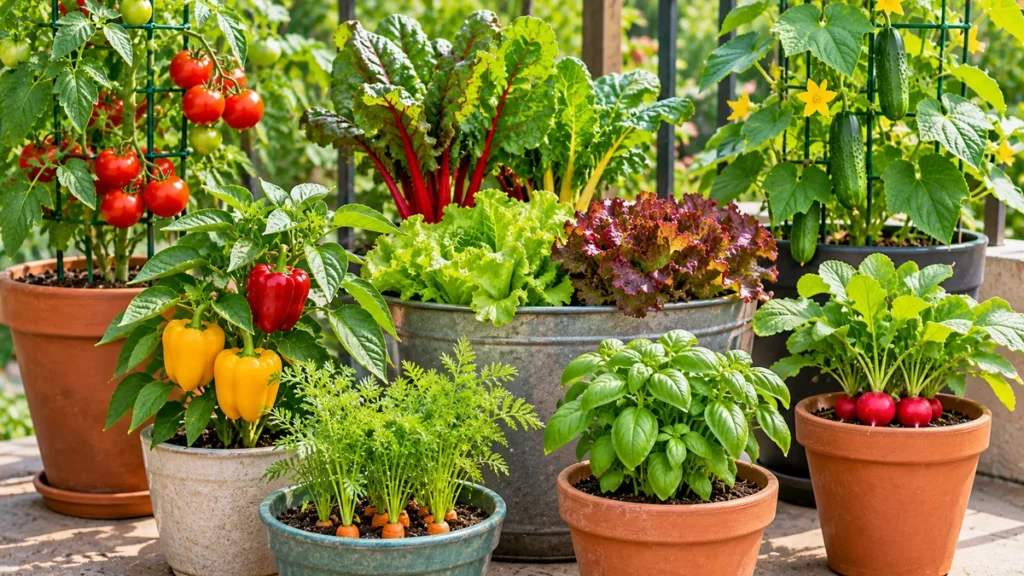
- Plant beginner-friendly crops: Lettuce, radishes, bush beans, kale, and compact vegetable varieties are useful starting choices.
- Water according to moisture: Raised beds may dry faster than surrounding garden soil.
- Maintain the bed: Mulch appropriately, manage weeds, check pests, and replenish nutrients only when needed.
Start with one manageable bed rather than building an entire garden at once. Your first growing season will help you understand the amount of watering, planting space, and maintenance that suits your location.
Gardening Tip: A smaller raised bed with healthy soil, enough sunlight, and regular attention is often more productive than several large beds that are difficult to water and maintain. Begin with simple vegetables and expand as your experience grows.
What Is Raised Bed Gardening, and Why Do Gardeners Use It?
Raised bed gardening involves growing plants in soil that has been elevated above the surrounding ground level.
The raised growing area may be surrounded by a wooden, metal, brick, or stone frame. Alternatively, a gardener can create an unframed raised mound directly from suitable soil.
Most ordinary raised beds are open at the bottom, allowing plant roots to extend into the ground beneath when the native soil is suitable.
Advantages of Raised Bed Gardening
- Better control over growing soil: You can improve a defined area without changing the entire garden.
- Reduced soil compaction: Permanent paths allow you to work without walking on planting beds.
- Improved drainage in suitable sites: Elevating the growing surface can reduce some problems associated with poorly drained native soil.
- Earlier spring warming: Raised soil may warm more quickly in cool climates.
- Easier garden organization: Individual beds help separate crops and plan planting arrangements.
- More comfortable access: Taller beds can reduce bending or improve accessibility when designed for the gardener.
- Convenient crop protection: Some framed beds make it easier to install insect netting, low tunnels, and other protective structures.
- Flexible design: Raised beds can be adapted to many backyard sizes and garden styles.
Disadvantages to Consider
Raised beds also have limitations.
- Frames and purchased soil can increase the initial cost.
- Raised growing areas may dry more quickly during hot weather.
- Wooden frames eventually deteriorate and may need replacing.
- Tall beds require substantial quantities of soil.
- Large structures may be difficult to move after installation.
- Raised beds do not automatically correct a high water table or serious site-wide flooding.
- Plants still need suitable sunlight, nutrients, pest management, and seasonal care.
A raised bed is a useful gardening method, not a guarantee of healthy plants. Its success depends on appropriate design and ongoing management.
Raised Beds vs. Ordinary Garden Beds
Traditional in-ground beds use the existing soil at ground level. They can be highly productive when drainage, structure, and fertility are suitable.
Raised beds create an elevated growing area that can be easier to improve and manage, particularly where the original soil is compacted or difficult to cultivate.
However, established in-ground beds may retain moisture longer, involve less construction cost, and provide unrestricted rooting space.
Neither method is universally better. Choose according to soil conditions, available space, budget, accessibility, and gardening goals.
How to Choose the Best Location for a Raised Garden Bed
Choosing the right location is one of the most important decisions in raised bed gardening.
Once a bed is assembled and filled with soil, moving it can require considerable work.
Choose a Sunny Location
Many popular vegetable crops grow best in full sun.
Tomatoes, peppers, cucumbers, and eggplants generally perform well where they receive approximately 6–8 hours or more of direct sunlight per day.
Some leafy vegetables, including lettuce, kale, and certain Asian greens, can tolerate less direct sunlight, particularly in warm climates where intense afternoon heat may cause stress.
Observe the proposed location throughout the day before building.
Check whether buildings, fences, or trees cast shade over the site during important growing hours.
Keep Water Conveniently Accessible
Raised beds may dry more quickly than surrounding garden soil, making convenient water access especially important.
Place the bed within practical reach of a hose, watering can, drip irrigation supply, or other appropriate water source.
If the bed is far from a tap, think about irrigation before construction rather than installing the bed and discovering that watering is inconvenient.
Look for Reasonably Level Ground
A fairly level site is easier to build on and usually makes irrigation and soil retention more manageable.
On a slope, the bed may require proper leveling, a terraced arrangement, or another suitable structural design.
Do not simply install a tall, unstable frame on steep ground without accounting for soil pressure, erosion, and drainage.
Avoid Areas With Persistent Flooding
Raised beds can help provide an improved root zone above some poorly drained soils, but they are not a complete solution for every drainage problem.
If water regularly collects at the site or groundwater rises near the surface, investigate the cause before building.
Persistent saturation beneath the bed can affect roots that grow into the native soil.
Plan for Paths and Working Space
Leave enough space around the bed for watering, planting, harvesting, and carrying materials.
Paths around 45–60 cm (18–24 inches) wide may be adequate for basic foot access in some small gardens, but wheelbarrows and accessibility needs often require wider pathways.
Plan the actual working space based on how you will use the garden, not only the dimensions of the frame.
Check for Soil Contamination
Before growing food, consider the history of the site.
Former industrial land, demolition areas, older painted structures, and certain urban sites may contain elevated concentrations of lead or other contaminants.
Where contamination is possible, arrange appropriate soil testing and obtain local guidance.
An ordinary open-bottom raised bed does not automatically isolate edible crops from contaminated underlying soil.
A properly designed isolated growing system may be needed, depending on the contamination and applicable safety recommendations.
What Size and Depth Should a Raised Garden Bed Be?
The ideal raised bed dimensions depend on your reach, available space, crop selection, soil conditions, and budget.
There is no single size suitable for every garden, but a few design principles are especially helpful for beginners.
Best Raised Bed Width
For beds accessible from both long sides, approximately 90–120 cm (3–4 feet) is a practical width for many adults.
This usually allows you to reach the center without stepping on the soil.
If the bed is against a wall or fence and can only be reached from one side, make it narrower to suit your comfortable reach.
Avoid building beds so wide that you must climb onto the growing area to plant or harvest.
Best Raised Bed Length
Lengths of approximately 180–240 cm (6–8 feet) are convenient for many beginner gardens.
Shorter beds may be easier to fit into a small space, while longer beds provide more continuous growing area.
Very long wooden frames may need additional bracing to prevent the sides from bowing under the weight of wet soil.
Consider building several manageable beds rather than one extremely long structure.
How Deep Does a Raised Bed Need to Be?
The required height depends on what lies beneath the bed.
If you are building directly on healthy, permeable garden soil, the frame does not need to contain the entire eventual root system. Roots can grow down into the native soil.
In this situation, a frame approximately 15–30 cm (6–12 inches) high can provide useful benefits for many common vegetables.
However, if the bed sits on concrete or another impermeable surface, the plants cannot extend roots into the ground below.
For beds over hard surfaces, University of Maryland Extension recommends at least approximately 20 cm (8 inches) of growing depth for crops such as leafy greens, beans, and cucumbers, and approximately 30–60 cm (12–24 inches) for peppers, tomatoes, and squash.
These are crop-specific starting recommendations. Plant variety, root size, water availability, and the bed’s overall design also matter.
Do Taller Raised Beds Work Better?
Taller beds can provide a more comfortable working height and additional growing volume.
They can be particularly useful for gardeners who have difficulty bending or kneeling.
However, taller beds also require more fill material, stronger construction, and potentially more frequent watering.
For wheelchair access, working height, knee clearance, pathway width, and the ability to reach plants are all important. A purpose-built accessible planter may be more appropriate than a standard bed with taller walls.
Choose dimensions based on comfortable access and actual plant needs rather than assuming taller always means better.
Best Materials for Building Raised Garden Beds
Raised garden beds can be made from several materials, each with advantages and limitations.
Consider cost, durability, maintenance, appearance, exposure to weather, and whether the bed will be used for edible crops.
Untreated Wood
Untreated wood is popular because it is easy to cut, assemble, and customize.
Cedar and certain other naturally decay-resistant woods generally last longer than inexpensive softwoods, although actual durability depends on climate, timber quality, and soil contact.
Untreated wood avoids the need to evaluate the chemical treatment used in pressure-treated lumber, but it may deteriorate sooner.
Modern Pressure-Treated Wood
Some modern pressure-treated lumber is used for raised beds because it resists decay.
However, safety depends on the specific preservative and the age and origin of the material.
Older treatments containing chromated copper arsenate (CCA) and materials treated with creosote should not be repurposed casually for vegetable beds.
If considering treated wood, identify the preservative, consult current local guidance, and use only material appropriate for the intended application.
Gardeners who prefer to avoid the uncertainty can select suitable untreated wood, metal, stone, or other appropriate materials.
Galvanized Metal
Galvanized steel raised-bed kits are increasingly common.
They can provide a durable frame and are often relatively easy to assemble using supplied hardware.
However, poorly finished metal edges may be sharp, and exposed beds can become warm in strong sunlight.
Choose products from reputable suppliers, check their construction, and follow installation instructions.
Bricks and Natural Stone
Brick and stone can create attractive, long-lasting garden structures.
However, they are heavy and may require appropriate foundations, drainage details, and construction skills, particularly for taller walls.
They may be less practical for a beginner who wants a small, inexpensive bed.
Recycled Composite Materials
Some commercial beds use recycled plastic or composite boards.
They may resist decay and require relatively little maintenance.
However, quality varies, and long panels may need reinforcement. Choose products intended for garden use and suitable for prolonged outdoor exposure.
Unframed Raised Beds
A raised bed does not always require walls.
A simple flat-topped mound made from suitable garden soil can create an elevated growing area with sloping sides.
This approach reduces material costs, although mound edges need attention to prevent erosion and soil movement.
Raised Bed Materials Comparison Table
| Material | Advantages | Limitations |
|---|---|---|
| Untreated softwood | Affordable, easy to cut and assemble | May decay relatively quickly |
| Cedar or other decay-resistant wood | Attractive, customizable, generally longer lasting | Can be more expensive |
| Suitable modern treated wood | Decay resistance and widespread availability | Must verify treatment and appropriate use |
| Galvanized steel | Durable, available in kits, relatively low maintenance | Potential sharp edges, heat exposure, and product-quality differences |
| Brick or stone | Strong, long lasting, attractive | Heavy, potentially expensive, may need foundations |
| Recycled composite boards | Resistant to rot, limited routine maintenance | Variable durability, possible bowing, and higher cost |
| Unframed soil mound | Low material cost and flexible layout | Edges may erode or spread into pathways |
How to Prepare the Ground Under a Raised Bed
Preparing the underlying surface helps support drainage, root growth, and long-term soil health.
The correct method depends on whether your bed is going onto existing soil, lawn, compacted ground, or a paved surface.
Raised Beds on Existing Garden Soil
If the native soil is healthy and drains reasonably well, you may need only modest site preparation.
Remove persistent perennial weeds and unwanted debris.
If the soil beneath is compacted, gently loosen it with a garden fork when the ground is workable.
The aim is to create suitable root access into the soil below without unnecessarily turning the entire area.
Raised Beds on Grass or Lawn
Grass must be managed before it becomes trapped beneath a new bed.
One approach is to remove the turf. Another is to smother the grass with appropriate materials and allow it to decompose before planting.
Plain cardboard is sometimes used temporarily for smothering, but it can reduce water movement and delay root penetration until it breaks down.
For a bed that needs immediate, unobstructed root access, remove the sod or use another site preparation method appropriate for the ground.
Do not use permanent impermeable plastic across the base of an ordinary open-bottom raised bed.
Raised Beds Over Heavy Clay
Clay soil can be productive, but a compacted or persistently saturated layer beneath a raised bed may limit root growth and drainage.
Where appropriate, gently loosen workable soil beneath the proposed growing area and consider whether drainage improvements are necessary.
Do not dig or rototill saturated clay because doing so can damage soil structure.
A raised surface may improve growing conditions, but a high water table or severe site-wide flooding requires separate assessment.
Raised Beds Over Concrete or Paving
Raised beds built over hard surfaces function more like large containers because roots cannot extend into native soil below.
These beds require sufficient growing depth, an appropriate soil mixture, and a reliable method for excess water to escape.
Do not create a completely sealed, water-holding box unless the system has been specifically engineered for that purpose.
Consider how drainage water will move away from the bed and whether it could affect nearby walls, foundations, paths, or drainage systems.
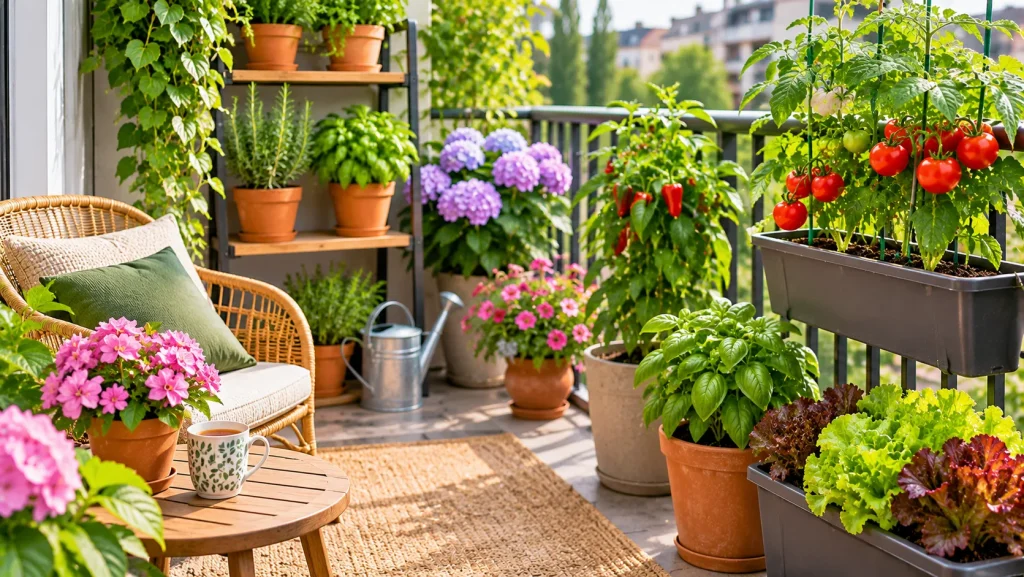
On balconies, roofs, or suspended structures, the combined weight of wet soil, water, plants, and construction materials can be substantial. Verify structural capacity with an appropriately qualified professional before installation.
Important Caution: Do not use unknown salvaged wood, old creosote-treated railway sleepers, or materials with unidentified chemical residues for edible raised beds. If your site may contain contaminated soil, obtain suitable testing and safety advice before planting food crops. A standard open-bottom bed does not guarantee protection from underlying contamination.
How to Build a Simple Raised Garden Bed: Step-by-Step
A basic wooden raised bed can be a manageable beginner project when you have the appropriate tools, materials, and a safe working area.
Ready-made kits simplify the process, but the general principles are similar for both kit-based and custom-built frames.
Materials and Tools
- Suitable, appropriately sized timber or a raised-bed kit.
- Outdoor-rated fasteners or the hardware supplied with the kit.
- Corner brackets or suitable supports when required.
- Measuring tape.
- Spirit level.
- String and marking pegs.
- Suitable screwdriver or drill.
- Gardening gloves and appropriate protective equipment.
- Garden fork or spade for ground preparation.
- Quality topsoil, finished compost, or appropriate raised-bed growing mix.
- Rake, watering can, and basic planting tools.
Step 1: Measure and Mark the Site
Use a tape measure and string to outline the proposed bed.
Confirm that you can comfortably reach the center and that paths around the structure remain practical.
Check sunlight, water access, and whether the site is reasonably level.
Step 2: Prepare the Ground
Remove weeds, unwanted vegetation, and debris using a method appropriate for the site.
Where necessary, gently loosen compacted native soil when it is workable.
Avoid extensive disturbance around established tree roots or buried utilities.
Step 3: Assemble the Frame
Position the frame materials along the marked outline.
Join corners securely using appropriate screws, brackets, or supplied fasteners.
Follow manufacturer instructions for metal or composite kits.
For taller or longer wooden structures, use suitable reinforcement to resist pressure from wet soil.
Step 4: Check the Level and Stability
Use a spirit level to check that the frame is reasonably even.
Correct unstable corners or unsupported sections before adding soil.
A frame that moves or bows while empty is unlikely to improve after it has been filled with heavy, wet growing material.
Step 5: Consider Whether a Liner Is Needed
Most ordinary raised beds on suitable ground do not require a permanent barrier beneath the soil.
Roots can benefit from access to the underlying native soil.
Some gardeners line the inside walls of wooden beds to reduce direct contact between soil and the frame. This is different from sealing the entire bottom.
If burrowing animals are a serious problem, suitable metal mesh may be placed across the bottom while allowing water and roots to pass through where practical.
Hard-surface beds and contaminated sites may require different specialist design decisions.
Step 6: Fill With Suitable Growing Soil
Add a quality raised-bed growing mixture or an appropriate blend of suitable topsoil and finished compost.
Distribute the materials evenly and mix them as appropriate rather than leaving sharply separated layers of contrasting soil.
Lightly settle the soil without pressing it into a dense, compacted mass.
Leave some space below the top of the frame for watering and future mulch.
Step 7: Water and Allow the Soil to Settle
Water the new growing medium appropriately and allow it to settle.
Check whether there are substantial low spots and top up with suitable soil if needed.
Do not compact the bed by walking on the soil.
Step 8: Plant Suitable Crops
Select seeds or healthy transplants suited to the current growing season.
Follow the recommended sowing depth, spacing, and temperature requirements for each crop.
Install supports early for plants that will eventually need stakes or trellises.
Maintain suitable moisture while roots establish.
What Is the Best Soil Mix for Raised Bed Gardening?
Healthy raised-bed soil should support roots, retain useful water, provide air spaces, and supply appropriate nutrients.
The exact mixture depends on whether the bed is open to native soil below or functions as a deep container on a hard surface.
A Suitable Topsoil and Compost Blend
For many ordinary open-bottom vegetable beds, a quality loamy topsoil mixed with appropriate finished plant-based compost is a useful starting point.
One practical starting mixture is approximately two parts suitable topsoil to one part finished compost by volume.
However, this is not a universal requirement. Existing soil fertility, compost composition, drainage, and crop needs may justify a different blend.
Some purchased raised-bed mixes already contain topsoil and compost in a suitable balance.
Choose a supplier who can explain the product’s ingredients and intended use.
Why Topsoil Matters
Suitable mineral topsoil provides a durable growing foundation containing sand, silt, and clay particles.
Unlike highly organic compost, mineral soil does not disappear through decomposition over time.
Choose reasonably loose, crumbly topsoil rather than material dominated by hard clay clods, excessive sand, construction debris, or unknown contaminants.
Why Compost Is Useful
Finished compost contributes organic matter, supports soil biological activity, and may improve moisture management and soil structure.
It also contributes varying amounts of plant nutrients.
However, compost is not a precise fertilizer, and its nutrient content depends on the original materials and processing.
Manure-based compost can be particularly rich in phosphorus and soluble salts, so use it carefully and follow suitable food-safety guidance.
Should You Fill a Raised Bed With Pure Compost?
For a conventional deep raised bed, filling the entire growing area with pure compost is generally not the best approach.
Compost can decompose and settle substantially, and excessive quantities may contribute to nutrient accumulation or moisture-management problems.
A suitable combination of mineral soil and organic matter often provides a more stable long-term growing environment.
Specialized no-dig and high-organic-matter systems may use different methods, but these should be managed according to their own established guidance rather than assuming that more compost is always better.
What About Raised Beds on Concrete?
Hard-surface raised beds have different requirements because roots cannot grow into the native ground beneath.
University of Maryland Extension recommends a different growing-medium approach for these beds, including suitable compost and soilless growing media, with limited topsoil in appropriately deep installations.
Follow recommendations intended for the actual bed design rather than assuming that an ordinary in-ground raised-bed recipe applies to every installation.
Do You Need a Soil Test?
A laboratory soil test can help identify pH, nutrient levels, and whether particular amendments are necessary.
This is especially useful when using existing native soil, filling several large beds, or gardening in an area with a history of repeated fertilizer applications.
Do not add lime, sulfur, or large amounts of fertilizer simply because a new raised bed has been built.
How Much Soil Do You Need to Fill a Raised Bed?
Calculating the required soil volume before buying materials can prevent waste and avoid the problem of running out halfway through filling a bed.
For a simple rectangular raised bed, multiply the internal length by the internal width and the intended soil depth.
Soil volume = Length × Width × Soil depth
Use consistent units throughout the calculation.
Example: A Small Raised Garden Bed
Imagine building a bed that is 1.2 m wide, 2.4 m long, and filled to a depth of 0.3 m.
The calculation is:
1.2 × 2.4 × 0.3 = 0.864 cubic meters of growing medium.
Because purchased topsoil and compost can settle after filling and watering, a small additional allowance may be useful.
Use the bed’s actual internal dimensions rather than measuring only the outside of thick wooden or masonry walls.
Buying Soil in Bags vs. Bulk
Bagged soil can be convenient for one small bed because the amount is easy to transport and measure.
Bulk soil may be more economical for multiple beds, depending on delivery costs and local suppliers.
Ask about the source and composition of bulk topsoil before purchasing.
A lower price is not necessarily good value if the soil contains debris, persistent weed seeds, or unsuitable material.
Should You Fill the Bottom With Logs or Branches?
Some gardeners use a layered approach that includes woody material beneath soil, sometimes called hugelkultur.
While this may reduce the immediate quantity of purchased soil in a very deep bed, woody material decomposes over time and can cause the growing surface to settle.
Its behavior depends on the materials, bed design, and climate.
For a beginner constructing a standard shallow or medium-depth vegetable bed, filling with a suitable growing mixture is usually simpler and more predictable.
What Are the Best Vegetables to Grow in Raised Beds?
Many common vegetables grow successfully in raised beds.
The best choices depend on growing season, available sunlight, soil depth, irrigation, and how much space the plants need at maturity.
Lettuce and Salad Greens
Leaf lettuce, arugula, and other salad greens can be useful beginner crops because many varieties grow relatively quickly and can be harvested while young.
They benefit from suitable moisture and may tolerate less intense sunlight than fruiting vegetables.
In hot climates, select appropriate cooler growing periods or provide suitable protection from extreme afternoon heat.
Radishes
Radishes are often suitable for beginners because many varieties mature relatively quickly.
They need sufficient spacing, appropriate soil moisture, and growing temperatures suited to the variety.
Thin overcrowded seedlings to allow the roots to develop normally.
Bush Beans
Bush bean varieties are often more compact than climbing beans and can fit well in a sunny raised bed.
They need appropriate soil warmth, sufficient root moisture, and spacing that allows airflow and plant development.
Avoid excessive nitrogen fertilizer when the soil already supports healthy growth.
Kale and Swiss Chard
Kale and Swiss chard can provide repeated harvests over suitable growing periods.
These crops benefit from enough growing space and regular moisture during active leaf production.
Harvest suitable outer leaves while leaving enough healthy foliage to support continued growth.
Carrots
Carrots often benefit from the loose, stone-free growing conditions that can be provided in a well-prepared raised bed.
Select a soil depth suitable for the chosen carrot variety.
Avoid hard clods and overcrowding, which can interfere with normal root development.
Compact Tomatoes and Peppers
Tomatoes and peppers can grow successfully in raised beds when they have enough sunlight, root space, nutrients, and water.
Compact or bush varieties may be easier to accommodate in a smaller bed than vigorous, sprawling types.
Install suitable support for tomatoes and other plants that may become top-heavy.
Avoid planting several large fruiting crops so close together that they shade the entire bed.
Herbs
Parsley, chives, basil, and several other culinary herbs can grow well in raised beds.
However, moisture preferences differ.
Rosemary and thyme generally prefer better drainage and more drying between waterings than basil or parsley.
Vigorous mint is often easier to manage in a separate container because of its spreading growth habit.
Raised Bed Crop Comparison Table
| Crop | Why it suits raised beds | Main consideration |
|---|---|---|
| Leaf lettuce | Compact and suitable for repeated harvests | Consistent moisture and suitable temperatures |
| Radishes | Fast-growing, useful for small spaces | Thin seedlings and avoid excessive heat |
| Bush beans | Relatively compact compared with pole varieties | Warm soil and adequate spacing |
| Kale | Productive leafy crop in suitable seasons | Root space, moisture, and pest checks |
| Swiss chard | Can produce repeated leaf harvests | Room for mature foliage |
| Carrots | Benefit from loose, well-prepared soil | Suitable rooting depth and thinning |
| Compact tomatoes | Can be productive in sunny beds | Support, space, sunlight, and consistent moisture |
| Peppers | Suitable for warm-season raised beds | Warmth, root space, and balanced nutrients |
| Parsley and chives | Manageable herbs for small growing areas | Adequate light and moisture |
How to Arrange Plants in a Raised Bed
Plan the bed according to mature plant height and spread.
Tall crops and trellised plants should be positioned so they do not unnecessarily shade smaller crops.
In many Northern Hemisphere gardens, placing tall supports toward the northern side of a bed can help reduce shade over shorter plants, although local sun angles and nearby structures should be considered.
Use seed packet and cultivar-specific spacing guidance.
Intensive planting can make good use of space, but planting more densely than plants can support may increase competition for water, nutrients, and sunlight.
Should You Use Square-Foot Gardening?
Square-foot gardening is a planting method that divides growing areas into small sections for organizing different crops.
It can help beginners plan planting space and maintain manageable crop groupings.
However, spacing still needs to reflect mature plant size.
Large tomatoes and vigorous cucumbers cannot be treated like small lettuce or radish plants simply because the bed has been divided into equal squares.
How to Water and Mulch Raised Garden Beds
Raised beds may drain well and warm relatively quickly, but these same characteristics can increase moisture loss during hot weather.
Water management is therefore essential for healthy vegetables and herbs.
Check Soil Moisture Before Watering
Do not rely only on the appearance of the surface.
Use a finger, small trowel, or suitable soil probe to check moisture where the active roots are growing.
The surface may look dry while deeper soil remains adequately moist.
Likewise, a short rain shower may wet only the upper soil without supplying enough moisture to deeper roots.
Use Gentle, Thorough Watering
For many established vegetables, apply water slowly enough that it reaches the active root zone rather than flowing over the surface.
Shallow, frequent sprinkling may not supply sufficient moisture deeper in the bed.
However, seeds and very young seedlings may need lighter, more frequent watering to keep the germination zone appropriately moist.
Adjust irrigation to crop development, weather, soil texture, and rooting depth.
Drip Irrigation and Soaker Hoses
Drip irrigation and soaker hoses can provide controlled water delivery close to plant roots.
These systems may help reduce unnecessary foliage wetting and provide more consistent moisture when operated correctly.
However, irrigation equipment still needs inspection.
Check for blocked emitters, leaks, uneven watering, and whether moisture actually reaches the intended root depth.
Mulching Raised Beds
Organic mulch can help slow moisture loss, reduce weeds, and protect exposed soil from heavy rainfall.
Suitable materials include shredded leaves, clean straw, and other appropriate organic mulches.
For many established vegetable plants, a layer of approximately 5 cm (2 inches) may be a useful starting point, depending on the mulch material and crop.
Keep mulch away from sensitive stems and plant crowns, and avoid burying newly emerging seedlings.
Monitor the soil beneath the mulch rather than judging moisture by the appearance of the covering material.
Watering During Summer Heat
During hot or windy weather, raised beds can lose moisture more quickly than surrounding soil.
Check moisture more frequently and pay attention to vegetables that are flowering or fruiting.
Do not automatically water every bed daily. Irrigate according to soil moisture and plant requirements.
If plants experience severe afternoon heat, suitable temporary shade may help heat-sensitive crops, provided they still receive enough light for normal growth.
Do Raised Garden Beds Need Compost and Fertilizer?
Raised beds need a suitable supply of plant nutrients, but the amount of fertilizer required depends on the growing medium and crops.
New raised-bed soil may already contain substantial nutrients, especially when blended with nutrient-rich compost.
Compost and Fertilizer Have Different Roles
Compost primarily contributes organic matter and helps maintain soil structure, although it also supplies varying amounts of nutrients.
Fertilizer is used primarily to provide plant nutrients in more deliberate amounts.
Neither needs to be applied automatically in large quantities.
Use Soil Testing to Guide Feeding
A soil test can help determine pH and important nutrient levels.
University of Minnesota Extension suggests testing established raised-bed soil approximately every two to three years, with amendments guided by the results.
Where the bed is new or the materials have an uncertain nutrient content, testing may be useful sooner.
Avoid Adding Too Much Compost
Repeated heavy compost applications can increase soil phosphorus and soluble salts.
This is particularly relevant when using composted manure or other nutrient-rich materials.
Do not assume that adding a thick compost layer every season is necessary for healthy soil.
Maintain an appropriate organic matter level and replenish nutrients according to actual needs.
Feeding Nutrient-Demanding Vegetables
Tomatoes, peppers, leafy vegetables, and other actively growing crops may require additional nutrients when the soil cannot supply enough.
Use crop-specific guidance and choose fertilizers that match existing nutrient levels.
Adding excessive nitrogen can encourage lush foliage without necessarily improving harvests.
Avoid using fertilizer to treat every yellow leaf before checking moisture, roots, and other growing conditions.
How to Maintain a Healthy Raised Bed Garden
Raised beds generally become easier to manage when they are checked regularly rather than neglected until problems become severe.
Control Weeds Before They Become Established
Raised beds can reduce some weed problems, but they are not completely weed-free.
Weed seeds may arrive through wind, birds, imported soil, or surrounding vegetation.
Remove young weeds carefully before their roots become difficult to manage.
Appropriate mulch can also reduce the germination of many surface weed seeds.
Inspect Plants for Pests
Common vegetable garden pests can include aphids, caterpillars, slugs, beetles, and other insects or animals, depending on the location.
Inspect leaves, stems, and developing crops regularly.
Identify the pest before applying any treatment.
Use appropriate physical barriers, hand removal, or other integrated pest management methods when suitable.
Only use pesticide products that are legally approved and labeled for the crop and situation, following all directions and harvest restrictions.
Protect Soil Structure
One of the greatest advantages of a raised bed is that the planting area can remain free from foot traffic.
Stand and work from the paths rather than stepping into the soil.
This helps preserve pore spaces and reduces compaction.
Rotate Crops When Practical
Planting the same crop family in the same location repeatedly can increase the risk of certain persistent soilborne diseases and pests.
When you have multiple beds, consider rotating crop families over successive seasons.
For example, tomatoes, peppers, and eggplants belong to the same plant family and should be considered together when planning a rotation.
University of Minnesota Extension recommends avoiding the same crop family in a particular bed for approximately three to four years where feasible.
In very small gardens, complete rotation may be difficult. Healthy transplants, disease-resistant varieties, sanitation, and appropriate soil management remain important.
Use Crop Supports and Protective Covers
Install stable stakes or trellises for tall crops.
Raised-bed frames can also help support hoops and suitable row covers.
However, covers may need opening or removal for ventilation and pollination, depending on crop type and the covering material.
Secure all structures against wind and prevent sharp edges or unstable fittings.
Maintain the Frame
Inspect wooden beds for decay, loose fasteners, and bowed sides.
For metal kits, check joints, sharp edges, and structural stability.
Repair damaged parts before the bed becomes unsafe or loses soil.
Raised Bed Gardening Through the Seasons
The timing of raised-bed maintenance depends on local climate, growing seasons, rainfall, and the types of vegetables you grow.
Spring: Prepare and Plant
In temperate climates, spring is a common time to begin raised-bed vegetable gardening.
- Inspect the frame and pathways after winter.
- Remove persistent weeds and unwanted plant debris.
- Check soil condition and nutrient requirements.
- Top up the bed with suitable material if substantial settling has occurred.
- Start cool-season crops according to local conditions.
- Wait until suitable temperatures arrive before planting frost-sensitive vegetables.
- Check irrigation equipment and support structures.
Summer: Monitor Moisture and Harvests
Summer heat can make raised beds dry more quickly.
- Check root-zone moisture regularly.
- Maintain appropriate mulch.
- Harvest ripe vegetables to encourage continued production where suitable.
- Inspect plants for pests and disease symptoms.
- Maintain stakes, trellises, and irrigation lines.
- Provide appropriate heat protection for sensitive crops when necessary.
Autumn: Continue Growing and Restore Soil Cover
Autumn can provide another growing opportunity for suitable cool-season crops in many climates.
- Remove finished seasonal crops.
- Inspect soil moisture and structure.
- Plant suitable cool-season vegetables where the climate permits.
- Consider a suitable cover crop when the bed will be unused.
- Clean and store temporary support materials.
- Repair worn frame components before prolonged wet weather.
Winter: Protect Soil and Plan Ahead
Winter maintenance depends on whether the garden remains active or enters a dormant period.
- Keep soil covered with suitable mulch or living plants where appropriate.
- Avoid walking on saturated or frozen growing areas.
- Check drainage during prolonged rainfall.
- Protect overwintering crops according to their cold tolerance.
- Plan crop rotation and seed purchases for the next season.
- Inspect wooden and metal structures for damage.
In tropical, subtropical, or monsoon climates, adapt these tasks to the local wet, dry, cool, and hot growing periods rather than following a fixed Northern Hemisphere calendar.
12 Common Raised Bed Gardening Mistakes to Avoid
1. Building the Bed in Too Much Shade
Fruiting vegetables may produce poorly when they receive insufficient sunlight.
Better approach: Observe the site before building and choose crops suited to actual light levels.
2. Making the Bed Too Wide
An excessively wide bed may require stepping on the soil to reach the center.
Better approach: Design the width around your comfortable reach and available access from the sides.
3. Choosing Unsuitable Construction Materials
Unknown salvaged wood, unstable walls, and inappropriate treated materials can create safety or durability concerns.
Better approach: Use materials with a known origin and suitable specifications for edible gardening.
4. Ignoring the Soil Underneath
Deep compaction, buried debris, persistent weeds, and unsuitable drainage can affect the bed even when the added soil looks good.
Better approach: Assess and prepare the underlying ground before filling the bed.
5. Using a Bed That Is Too Shallow on Concrete
On a hard surface, roots cannot extend below the raised growing material.
Better approach: Provide suitable growing depth and drainage for the intended crops.
6. Filling the Bed With Poor-Quality Soil
Dense clay, excessive sand, contaminated material, and unknown fill can restrict growth.
Better approach: Choose suitable topsoil and finished compost from reliable sources, or an appropriate raised-bed growing mix.
7. Using Too Much Compost or Manure
Excess organic amendments can cause substantial settling, nutrient imbalances, and salt problems.
Better approach: Use appropriate proportions and base repeated applications on soil needs.
8. Planting Vegetables Too Close Together
Overcrowding can reduce air circulation and increase competition for light, water, and nutrients.
Better approach: Follow plant-specific spacing based on mature size.
9. Underestimating Water Needs
Raised soil may dry quickly during hot, sunny weather.
Better approach: Check root-zone moisture, mulch appropriately, and use reliable irrigation when needed.
10. Walking on the Growing Soil
Repeated foot traffic compresses soil and undermines one of the main benefits of raised beds.
Better approach: Maintain permanent paths and work from outside the bed.
11. Fertilizing Without Considering Existing Nutrients
New raised-bed soil may already contain enough phosphorus and potassium, especially when compost is included.
Better approach: Use soil testing and crop requirements to guide feeding rather than applying multiple fertilizers automatically.
12. Expecting the Bed to Be Maintenance-Free
Raised beds still need watering, harvesting, weed management, pest checks, and occasional frame or soil maintenance.
Better approach: Establish a manageable inspection routine and keep the garden small enough to maintain consistently.
Frequently Asked Questions About Raised Bed Gardening
Are raised beds good for beginner gardeners?
Yes. Raised beds provide a defined area that is easier to plan and improve than an entire garden. They can reduce soil compaction and help organize crops, but successful gardening still requires adequate light, suitable soil, watering, and ongoing care.
What is the best size for a beginner raised bed?
For many home gardeners, a bed approximately 90–120 cm (3–4 feet) wide and 180–240 cm (6–8 feet) long is a practical starting size. The width should allow comfortable access to the center without stepping on the soil.
How deep should a raised bed be for vegetables?
A frame around 15–30 cm (6–12 inches) tall may work well over suitable native soil because roots can grow below it. Beds placed on concrete or other hard surfaces need enough depth to contain the active root system, and larger fruiting vegetables may require approximately 30–60 cm (12–24 inches) of growing medium.
What should I put at the bottom of a raised garden bed?
For ordinary open-bottom beds on suitable ground, a permanent bottom layer is often unnecessary. Prepare the underlying soil and manage existing vegetation appropriately. Mesh may help where burrowing animals are a problem. Beds over hard surfaces or contaminated sites require different design considerations.
Should I line my raised bed with plastic?
Do not automatically cover the entire bottom of an ordinary open-bottom bed with impermeable plastic because it can restrict drainage and root access to native soil. A suitable side liner may be used with certain wooden frames. Specially designed planters or contaminated sites may require different arrangements.
Can I fill a raised bed with compost only?
For a conventional deep raised bed, pure compost is generally not the best long-term filling material. It decomposes and settles and may contribute excessive nutrients or salts. A suitable blend of quality topsoil and finished compost, or an appropriate commercial raised-bed mix, is usually more practical.
Can I build a raised bed directly on grass?
Yes, but existing turf and weeds should be managed first. You may remove the grass or use an appropriate smothering method before planting. Avoid a permanent impermeable barrier that prevents water movement and roots from accessing suitable soil below.
Do raised beds need more water than traditional gardens?
They often require more frequent moisture checks because raised soil can dry faster, especially in hot or windy weather. However, actual watering needs depend on soil composition, bed height, crop type, rainfall, and root development. Check moisture before irrigating rather than using a fixed schedule.
What vegetables grow best in raised beds?
Leaf lettuce, radishes, bush beans, kale, Swiss chard, carrots, parsley, and compact tomato or pepper varieties are useful options when the season and growing conditions are suitable. Choose crops according to sunlight, bed depth, available space, and climate.
Are wooden raised garden beds safe for growing vegetables?
Many suitable wood materials can be used for edible raised beds. Untreated and naturally decay-resistant woods are common choices. Some modern treated wood is also used, but the preservative and intended application should be verified. Avoid unknown salvaged wood and older hazardous treatments such as CCA or creosote.
How often should I replace the soil in a raised bed?
Healthy raised-bed soil generally does not need to be completely replaced every season. Maintain soil structure, check fertility periodically, add appropriate organic matter when needed, and top up settling beds with suitable material. Replace soil when serious contamination or another specific problem justifies it.
Can raised beds be used on patios or balconies?
Yes, when properly designed. Beds on patios need appropriate growing depth and reliable drainage. Balcony and rooftop beds also require assessment of structural load capacity, waterproofing, and drainage. The weight of saturated soil can be substantial, so do not install a large elevated planter without confirming the structure can safely support it.
Final Thoughts
Raised bed gardening is an excellent way to create a manageable growing space for vegetables, herbs, and flowers. It can be particularly helpful when native soil is compacted, difficult to cultivate, or unsuitable for certain crops.
For beginners, the best approach is to start small. Choose a sunny location, keep the bed narrow enough to reach comfortably, and use construction materials suited to your climate, budget, and intended use.
Pay particular attention to the soil. A suitable mixture of quality topsoil and finished compost can provide a productive growing environment, but excessive compost, poor-quality fill, or inadequate drainage can create problems.
Remember that a bed built directly on healthy garden soil can allow roots to grow into the ground beneath, while a bed over concrete or another hard surface needs enough growing depth and a reliable drainage system.
Begin with crops that match the local growing season and the space available. Lettuce, radishes, bush beans, kale, and other manageable vegetables can provide useful experience before you progress to larger or more demanding plants.
Maintain appropriate soil moisture, keep pathways clear, manage weeds and pests early, and monitor nutrient needs rather than feeding automatically.
With good planning and consistent care, one well-designed raised bed can become a productive part of your garden and a foundation for expanding your growing space in future seasons.
For more guidance, explore Gardenivo’s Small-Space Gardening articles. You can also visit Vegetable Gardening for crop-growing advice, Soil & Watering for growing-medium and irrigation guidance, and Seasonal Gardening for year-round planting and maintenance.
Further Reading and Horticultural References
- University of Maryland Extension: Growing Vegetables in Raised Beds — benefits, bed dimensions, building materials, planting over hard surfaces, and drainage.
- University of Maryland Extension: Soil to Fill Raised Beds — soil preparation, growing-media choices, compost, topsoil, and different site conditions.
- University of Maryland Extension: Building Raised Beds for Vegetable Gardening — construction basics, width, soil filling, and bed maintenance.
- University of Maryland Extension: The Safety of Materials Used for Building Raised Beds — treated wood, preservation methods, and construction material safety.
- University of Minnesota Extension: Raised Bed Gardens — planting locations, dimensions, soil mixtures, watering, barriers, and crop rotation.
- Royal Horticultural Society: How to Make a Raised Bed — site selection, construction steps, bed depth, materials, and suitable growing mixes.
- Royal Horticultural Society: Creating Raised Beds — accessible planning, preparing a growing area, and basic construction.
- Royal Horticultural Society: Growing Vegetables in Raised Beds — practical design considerations, soil selection, and watering.
- Oregon State University Extension: Raised Bed Gardening — bed construction, planting, watering, soil preparation, and crop maintenance.