Signs of Root Rot and What to Do Next

Root rot is one of the more worrying problems a gardener can discover. A plant that once looked healthy may begin wilting, dropping leaves, or growing poorly even though its soil is moist. When you inspect the roots, some may appear dark, soft, or damaged.
However, not every struggling plant has root rot. Excess water can damage roots by depriving them of oxygen, while certain plant pathogens can cause infections that destroy root tissue. The symptoms often overlap, and treating every case as the same problem can lead to unnecessary damage.
This guide explains how to recognize possible root rot, examine a container plant’s roots carefully, decide whether recovery is realistic, and reduce the chance of the problem happening again.
Quick Answer: What Is Root Rot?
Root rot describes the deterioration of a plant’s root tissues, often associated with organisms that infect roots. It can leave the roots unable to absorb enough water and nutrients to support healthy growth.
Common signs include wilting despite moist soil, yellowing or dropping leaves, poor growth, and roots that have become unusually soft or decayed. In severe cases, the base of the stem or crown may also deteriorate.
Root decay is often associated with poorly drained growing conditions. Certain fungi and fungus-like organisms, including Pythium, Phytophthora, and Rhizoctonia, can cause root diseases. Different pathogens affect different plants, and root decay can also occur from prolonged waterlogging without confirming a specific infectious disease.
Good to Know: Dark roots are not automatically rotten. Some plants naturally have brown or tan roots, and potting mix can stain root surfaces. Firmness, tissue condition, plant symptoms, and growing history are more useful clues than color alone.
Signs Your Plant May Have Root Rot
Root problems often begin beneath the soil, where they are difficult to see. The earliest visible changes above ground may be subtle and easy to confuse with other gardening problems.
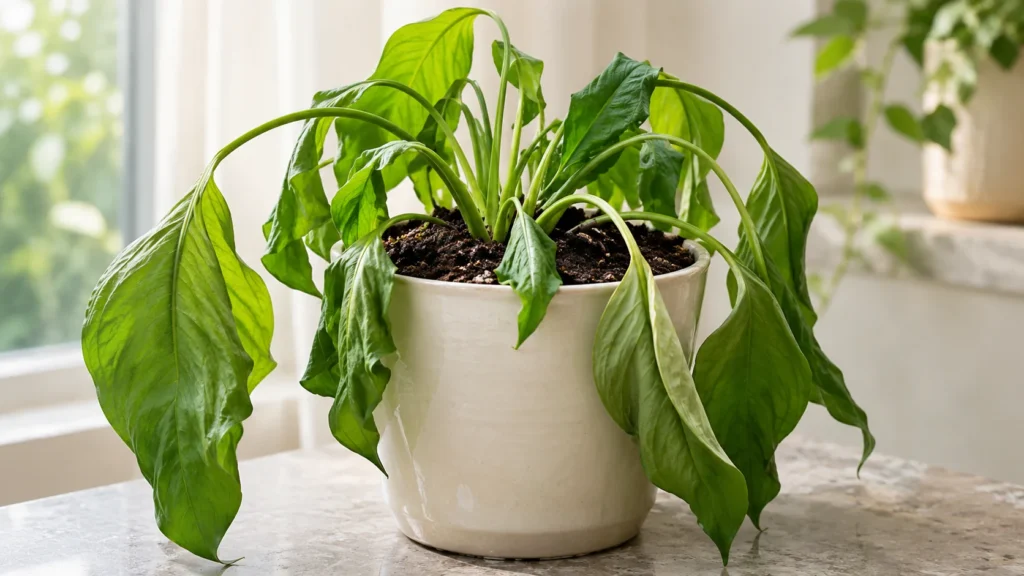
1. Wilting Despite Moist Soil
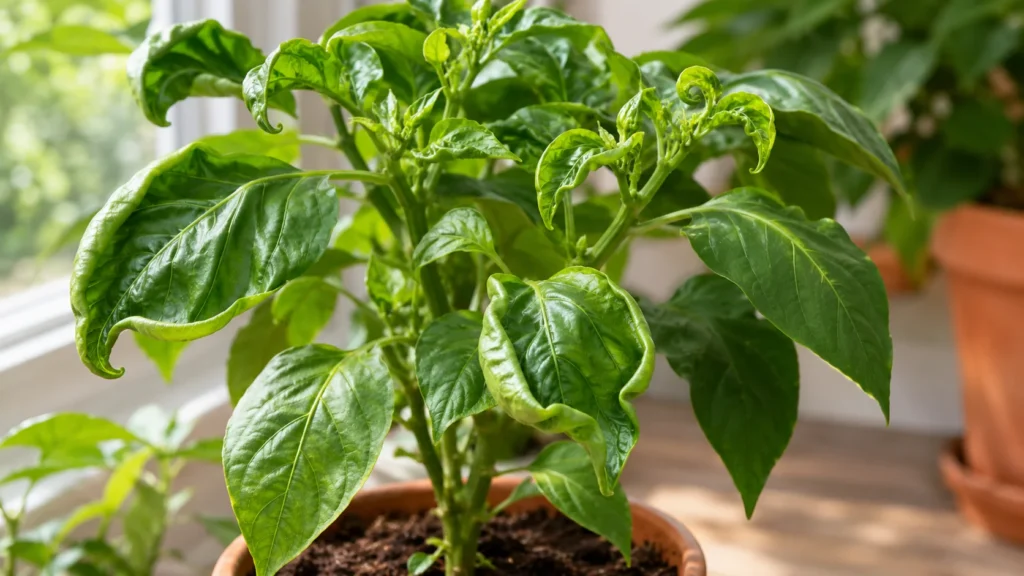
A plant may look thirsty even when its potting mix remains wet. This happens when damaged roots cannot function normally. The leaves lose firmness because the root system is no longer supplying water effectively.
However, wilting with wet soil is not conclusive proof of root rot. Excessively wet soil can impair healthy roots before infectious decay develops.
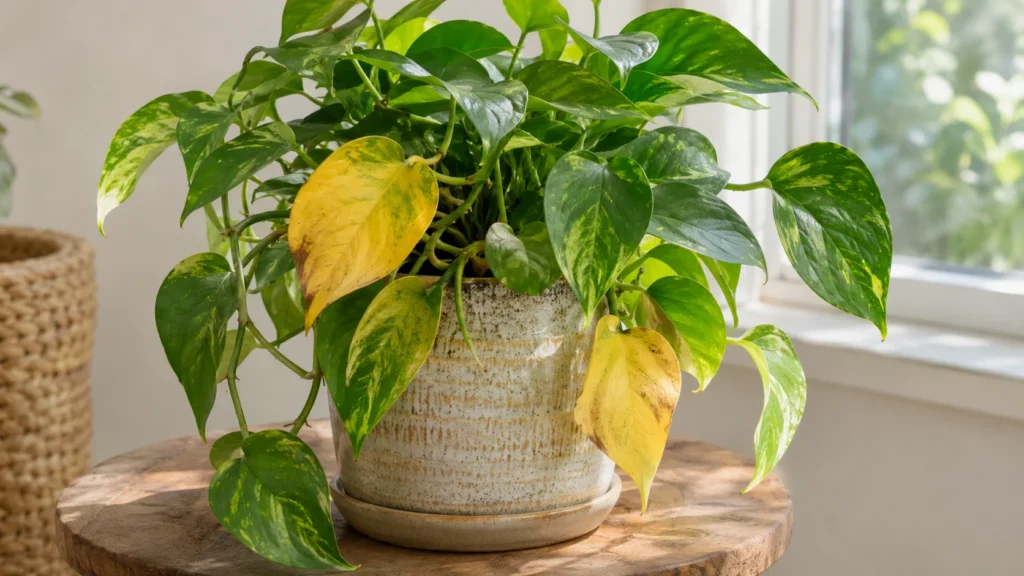
2. Yellowing Leaves and Unexpected Leaf Drop
Leaves may turn yellow, become dull, or fall before their normal aging cycle. Some plants develop browning or dieback as the problem becomes more severe.
Because the same symptoms can occur with poor lighting, drought, and other stresses, examine the root-zone conditions rather than relying on leaf color alone.
3. Slow or Stunted Growth
A damaged root system may struggle to provide enough water and nutrients for new growth. Leaves may remain unusually small, growth can slow, and the plant may appear less vigorous than others of the same kind.
Slow growth has many possible causes, so it is most concerning when combined with persistent moisture problems or visible root deterioration.
4. Soft, Dark, or Disintegrating Roots
When examined directly, decayed roots may be brown or black, soft, slimy, or easily broken. In some root diseases, the outer root tissue slips away, leaving a thin central strand.
This kind of tissue breakdown is more significant than a simple change in root color.
5. Decay Near the Stem Base
Some root diseases also affect the crown, the region where roots and stems meet. Darkening, softening, or collapse around this area can indicate a serious problem.
A plant with a severely decayed crown may have much less chance of recovery than one with localized damage to part of its root system.
Important Caution: Wilting, yellow leaves, and wet soil are warning signs, not a confirmed disease diagnosis. Avoid applying fungicides or cutting roots until you have investigated the growing conditions and examined the plant appropriately.
How to Check a Container Plant for Root Rot
When symptoms strongly suggest root damage, inspecting the rootball can provide valuable information. However, removing a plant from its pot can disturb healthy roots, so start with less invasive checks and inspect the root system only when justified.
Step 1: Check the Growing Medium
Feel the potting mix below the surface. Notice whether it is consistently saturated, unusually compacted, or slow to dry. Check whether water has collected inside a decorative outer pot or saucer.
If the plant is otherwise healthy and the mix is simply wet after a recent watering, it may be better to monitor conditions before disturbing the roots.
Step 2: Prepare a Clean Working Area
Choose a clean surface where you can contain the potting mix. Have gloves, a clean container, and clean pruning tools available if needed. Keep material from a potentially diseased plant away from healthy plants and reusable potting supplies.
Step 3: Gently Remove the Rootball
For a manageable potted plant, carefully tip or slide the rootball out while supporting the plant near its base. Avoid pulling hard on the stems. If roots are strongly attached to the container, work patiently rather than tearing them apart.
Some plants are sensitive to root disturbance, including certain orchids and established specimen plants. Use plant-specific advice where appropriate.
Step 4: Examine the Roots
Look at the fine feeder roots as well as the larger roots. Healthy root tissue is generally firm, although normal color varies between species. Actively decaying roots may feel soft, collapse under gentle handling, or lose their outer tissue.
Observe whether the problem affects a few roots near the bottom of the pot or most of the root system. Also check the crown for soft or darkened tissue.
Step 5: Assess the Extent of Damage
A plant with a substantial amount of healthy, firm roots may have a better recovery outlook than one whose fine roots have almost completely disappeared.
Consider the plant’s species, overall condition, and whether the suspected problem is still progressing before choosing a recovery method.
Gardening Tip: Photograph the rootball before making changes. A clear record can help you compare the affected roots with reliable plant-specific diagnostic images or share the symptoms with a local horticultural adviser.
Healthy Roots vs. Root Rot: What Is the Difference?
Use this comparison when examining a container plant. These are typical characteristics, not universal rules for every species.

| What to examine | Generally healthy roots | Possible root decay |
|---|---|---|
| Texture | Firm and structurally intact | Soft, mushy, or collapsing |
| Color | Often pale, tan, or naturally pigmented | May be unusually dark or discolored |
| Outer tissue | Remains attached under gentle handling | May slip off or disintegrate |
| Fine feeder roots | Visible and reasonably developed | May be sparse, dead, or missing |
| Stem base | Firm for the species | May be soft, darkened, or collapsing |
| Plant growth | Appropriate vigor for conditions | May show wilting, yellowing, or dieback |
What Causes Root Rot in Plants?
Several conditions can contribute to root deterioration. Understanding the difference between environmental root damage and an infectious disease can help you choose a more appropriate response.
Waterlogged Soil and Low Oxygen
Healthy roots need oxygen. When soil remains saturated, water fills the spaces that would normally contain air. This can damage fine roots and interfere with their ability to take up water and nutrients.
Waterlogging can also create conditions favorable for certain root-infecting organisms. However, waterlogging itself and pathogen-caused root rot are not identical diagnoses.
Root-Infecting Pathogens
Several groups of organisms can cause root diseases. Examples include Pythium and Phytophthora, which are fungus-like water molds, and Rhizoctonia, a fungal pathogen.
Different organisms affect different plants and thrive under different conditions. It is not possible to identify the exact pathogen simply by looking at a wilted plant or noticing brown roots. Reliable identification may require laboratory testing.
Unsuitable Growing Media and Containers
A container that lacks effective drainage or contains growing medium that holds more water than the plant can tolerate may increase the risk of root damage.
Using heavy garden soil in an ordinary houseplant container can also cause problems because it may compact and drain poorly. Potting media should suit both the plant species and its container.
Contaminated Pots, Tools, or Plant Material
Some root pathogens can spread through infected plants, contaminated growing media, water, and gardening equipment. Reusing suspect potting mix or unclean containers can expose another plant to the same problem.
Clean equipment and suitable fresh potting mix are especially important when repotting a plant with suspected infectious root decay.
Can a Plant With Root Rot Be Saved?
Some plants can recover from limited root damage, but extensive disease may be fatal. The chances depend on how much functioning root tissue remains, whether the crown is healthy, the plant species, and whether the underlying conditions can be corrected.
Signs Recovery May Be Possible
- A meaningful portion of the root system remains firm and intact.
- The stem base and crown are not visibly decayed.
- Some foliage or growing points remain healthy.
- The plant can be moved into suitable growing conditions without excessive disturbance.
Signs the Outlook Is Poor
- Nearly all the roots are soft, broken down, or missing.
- The crown or lower stem has extensive soft decay.
- Most of the plant has collapsed and no healthy growing tissue remains.
- A serious root disease is confirmed and poses a risk to nearby susceptible plants.
These are practical indicators rather than guarantees. Even a plant with some healthy roots may not recover, while a resilient species can occasionally survive substantial damage.
What to Do Next: A Careful Root Rot Recovery Plan
If root damage is limited and the plant appears worth attempting to save, use a measured approach. The following steps are primarily intended for suitable container plants, not large trees or established garden shrubs.
- Separate the affected plant. If an infectious root disease is suspected, keep it away from other container plants where practical. Avoid sharing drainage water.
- Remove trapped water. Empty any standing water from saucers or decorative outer pots. Stop adding water to already saturated growing media.
- Inspect the root system carefully. Where appropriate, remove the plant from its pot and examine root firmness, the extent of decay, and the condition of the crown.
- Remove clearly dead or decaying tissue when suitable. If a plant has a localized area of rot, trim only obviously deteriorated roots with clean tools. Avoid excessive cutting or unnecessary damage to firm, healthy roots.
- Use appropriate fresh growing medium. When repotting is justified, discard suspect old potting mix and choose a clean, suitable medium that provides the drainage and aeration required by the species.
- Choose a clean, correctly sized container. Use drainage holes where appropriate and a pot that fits the remaining root system. Avoid placing a small damaged rootball in an unnecessarily oversized container.
- Provide gentle, suitable aftercare. Keep the plant in appropriate light and temperature conditions, avoid unnecessary fertilizer, and resume watering according to its needs and the moisture condition of the new medium.
- Monitor progress. Watch for continuing collapse, additional leaf loss, improved firmness, and eventual healthy new growth. Be prepared for a slow or unsuccessful recovery.
Gardening Tip: The goal of repotting is not simply to give the plant more space. It is to restore suitable growing conditions around the surviving roots while avoiding additional damage.
Should You Water Immediately After Repotting?
There is no universal answer for every plant. Many ordinary houseplants benefit from appropriate moisture to settle fresh potting medium around the roots, while some succulents and other plants with sensitive or damaged roots require different handling.
Follow species-specific guidance, ensure excess water can drain where appropriate, and avoid returning the plant to persistently saturated conditions.
Should You Add Fertilizer or Fungicide?
A struggling plant with damaged roots does not automatically need fertilizer. Applying fertilizer before the roots can function properly may increase stress, particularly if salts accumulate in the growing medium.
Fungicides are not universal treatments for root decay. Their usefulness depends on the actual organism, plant, product registration, and stage of infection. Some root-rot-causing organisms are fungus-like water molds, and a product intended for another disease may not be effective.
For serious or valuable plants, obtain a reliable diagnosis before considering a chemical treatment. Always follow the product label and local regulations.
What if the Root Rot Is Too Severe?
When most roots are destroyed or the crown has collapsed, repeated repotting, watering adjustments, and treatments may not restore the plant.
Removing a severely infected plant may be the most sensible option, especially when there is a risk of spreading a confirmed pathogen to other susceptible plants. Dispose of diseased plant material according to local guidance rather than spreading potentially contaminated media around the garden.
Can You Save a Healthy Cutting?
For species that propagate readily from stem cuttings, a healthy section taken well above any damaged or infected tissue may offer another possibility. Use clean tools and fresh propagation medium.
However, propagation is not appropriate for every plant or disease. If infection may have spread into the stems or the plant is affected by a serious systemic problem, cuttings may also be unsuitable.
What Should You Do With the Old Pot?
Do not reuse suspected contaminated potting mix for healthy plants. Remove debris from reusable containers, wash them thoroughly, and disinfect them with a suitable product according to its instructions before using them again.
Important Caution: Do not assume that allowing contaminated potting mix to dry will reliably eliminate root pathogens. Some organisms persist in growing media and plant debris. Avoid transferring potentially infected material to healthy plants.
Root Rot in Garden Beds, Trees, and Shrubs
Root problems in open ground can be more complicated than those in containers. Poor drainage, soil compaction, excess irrigation, and several different pathogens can cause symptoms that look similar above ground.
An established shrub or tree may show sparse foliage, branch dieback, poor growth, or persistent wilting long after the original root damage began.
Unlike a small houseplant, a mature landscape plant should not be dug up simply to inspect its roots. Extensive root disturbance may cause additional harm or create safety risks with large trees.
Instead, examine site drainage, soil moisture, runoff patterns, recent construction or compaction, and the extent of decline. Where a significant root disease is suspected, consult a qualified local plant diagnostic service or arborist.
For confirmed diseases such as certain Phytophthora root rots, management may require improving drainage, limiting movement of contaminated soil, removing severely affected plants, and selecting appropriate replacements.
How to Reduce the Risk of Root Rot
Prevention is usually more reliable than attempting to rescue a plant after extensive root decay. The most useful strategy is to provide suitable moisture, aeration, hygiene, and growing conditions from the beginning.
- Choose the correct growing medium. Use a potting mix suited to the species, with an appropriate balance of drainage and moisture retention.
- Water according to root-zone conditions. Check moisture rather than automatically watering on the same day every week.
- Avoid standing water. Empty saucers and outer pots where retained water is inappropriate for the plant.
- Use correctly sized containers. A much larger pot can hold excessive wet growing medium around a small root system.
- Adjust care with the seasons. Plants in cooler, darker conditions may use water more slowly than during active growth.
- Keep pots and tools clean. Avoid introducing suspect soil or plant material into healthy growing areas.
- Inspect new plants. Check their general condition, growing medium, and visible root health when appropriate before placing them among an established collection.
- Improve garden drainage. Address runoff, compaction, and waterlogging where these are affecting plants that require well-aerated soil.
Remember that not all plants require identical drainage or watering conditions. Some species naturally grow in consistently moist environments. The aim is to provide the conditions appropriate to the plant, not to keep every rootball as dry as possible.
Frequently Asked Questions About Root Rot
How can I tell whether my plant has root rot or is simply overwatered?
Overwatering and infectious root rot can produce similar symptoms. Examine moisture conditions, root firmness, and whether roots are visibly breaking down. Waterlogging may damage roots without confirming a specific pathogen, and laboratory testing may be needed for a definite disease diagnosis.
Are brown roots always a sign of root rot?
No. Healthy root color varies by species, age, and growing medium. Firm brown roots may be normal. Soft tissue, disintegration, missing fine roots, and declining plant health are more concerning than color alone.
Can a plant recover from root rot without repotting?
It depends on the cause and severity. Mild problems related to excessive moisture may improve when suitable conditions are restored. When roots are actively decaying or the medium is unsuitable or contaminated, repotting or other intervention may be necessary. Recovery cannot be guaranteed.
Should I remove every dark root?
No. Remove only clearly dead or deteriorating roots when removal is appropriate. Cutting firm, functioning roots simply because they are dark can unnecessarily reduce the plant’s ability to recover.
Does root rot always smell bad?
No. An unpleasant smell from saturated, decaying growing media can be a warning sign, but root decay may occur without an obvious odor. Smell alone is not a reliable diagnostic test.
Will adding fertilizer help a plant with root rot?
Not necessarily. Damaged roots may be unable to use added nutrients effectively, and excessive fertilizer can create further stress. First address root health and appropriate growing conditions. Resume feeding only when it is suitable for the recovering plant.
Can root rot spread to other plants?
Some infectious root pathogens can spread through contaminated plants, soil, water, and tools. Noninfectious damage from poor drainage does not spread in the same way. Since the exact cause may be uncertain, sensible hygiene is important when handling potentially diseased plants.
How long does recovery from root rot take?
There is no reliable universal timeline. Recovery depends on the plant species, growing conditions, and the amount of healthy root tissue remaining. New, healthy growth and the absence of continued decline are more useful signs than expecting damaged leaves to recover immediately.
Final Thoughts
Root rot can be serious, but a wilted or yellowing plant is not automatically beyond saving. Start by checking the growing medium, drainage, and root-zone conditions. If the evidence justifies inspecting the roots, handle them gently and look for genuine tissue deterioration rather than relying on color alone.
When some healthy roots remain, improving the growing conditions and removing clearly decayed tissue where appropriate may offer a chance of recovery. When root and crown damage is extensive, responsible disposal and protecting nearby plants may be the better option.
If you are investigating changes in leaf color, also read our guide to why plant leaves turn yellow. For more plant troubleshooting topics, explore Plant Problems & Solutions.
Further Reading and Horticultural References
- University of Maryland Extension: Root Rots of Indoor Plants — common root diseases, symptoms, and management strategies.
- University of Maryland Extension: Diagnose Indoor Plant Problems — distinguishing root problems from other symptoms.
- University of Maryland Extension: Overwatered Indoor Plants — root oxygen, waterlogging, and appropriate watering.
- Royal Horticultural Society: Phytophthora Root Rot — recognizing and managing a serious root disease.
- Royal Horticultural Society: How to Help a Poorly Houseplant — investigating symptoms and improving growing conditions.