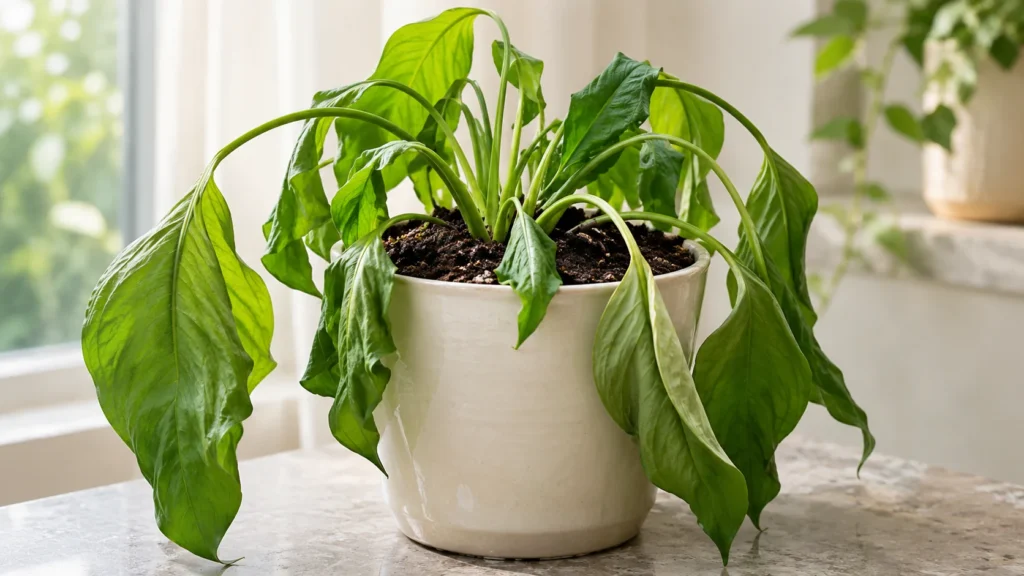
Why Are My Plant Leaves Curling? Causes and Fixes

Curled leaves can make an otherwise healthy plant look as though something is seriously wrong. You might notice the edges turning upward, the entire leaf rolling inward, or new growth emerging twisted and unusually small.
Although these symptoms can look similar, they do not always share the same cause. Some plants roll their leaves temporarily during hot weather. Others respond to unsuitable moisture, dry indoor air, insect feeding, or damage from chemicals. In certain crops, persistent leaf distortion can also be associated with viral diseases.
The most useful approach is to look beyond the curl itself. Which leaves are affected? Is the plant growing normally? Have conditions recently changed? Are there insects or unusual markings on the foliage?
This guide will help you narrow down the possibilities, identify warning signs, and make practical changes without rushing into treatments your plant may not need.
Quick Answer: Why Are My Plant Leaves Curling?
Plant leaves may curl because of heat, moisture stress, unsuitable humidity, temperature changes, pests, or chemical injury. Some diseases can also cause distorted leaves. In certain plants, temporary rolling or folding is a normal response to their environment.
For a quick first assessment, check the soil moisture, look at the undersides of leaves, and consider recent changes in light, temperature, watering, or gardening products. Then examine whether the curling affects mature leaves, new growth, or the whole plant.
A few otherwise healthy leaves curling during a hot afternoon may not be serious. However, severely twisted new shoots, patchy leaf discoloration, stunted growth, or widespread decline deserve closer attention.
Gardening Tip: Check the same leaves in the morning and late afternoon. If they roll during the hottest part of the day but look normal later, temperature and moisture conditions may be contributing. Persistent distortion, especially in new growth, calls for a different investigation.
What Different Leaf Curling Patterns Can Tell You
The direction of leaf curling is worth observing, but it is not a reliable diagnosis by itself. Different plants respond differently to the same stress, and several problems can produce overlapping symptoms.
Leaves Curling Upward
Upward rolling is especially familiar to tomato gardeners. Mature tomato leaves may roll upward along their edges during periods of heat or moisture stress, sometimes forming a narrow tube.
Other plants may develop upward curling from unsuitable growing conditions, pest feeding, or injury. Note whether the leaf stays green and normally shaped apart from the rolling, or whether it is also twisted, mottled, or stunted.
Leaves Curling Downward
Downward curling or cupping can occur with environmental stress, certain pest problems, and chemical injury. Some plants naturally have leaves that curve downward, so compare the affected foliage with healthy leaves of the same species.
If the leaves are also limp or the stems are drooping, investigate water availability and root-zone conditions. If the leaves are firm but unusually twisted, inspect the newest growth and consider recent exposures.
Leaves Rolling Inward
Inward rolling may reduce the amount of leaf surface exposed to demanding conditions. Some houseplants respond to intense light, dry air, or moisture stress in this way.
For moisture-sensitive plants, such as certain prayer plants, curling can be associated with unsuitable indoor conditions. However, some plants also fold or reposition their leaves naturally at particular times of day.
New Leaves Emerging Twisted or Crinkled
Distortion of young growth deserves particular attention. Aphids, broad mites, some viral diseases, temperature fluctuations during leaf development, and certain herbicides can all interfere with normal leaf expansion.
Look for unusually narrow leaves, puckering, distorted veins, or shoots that bend in unexpected directions. These additional clues may be more useful than the curling itself.
Good to Know: Some plants naturally fold, lift, or reposition their leaves between day and night. Before treating a curling leaf as a problem, check whether the movement is typical of that species and whether the plant otherwise appears healthy.
8 Common Causes of Curling Plant Leaves
1. Heat Stress and Strong Sunlight
High temperatures increase the demand for water as plants lose moisture through their leaves. During very hot weather, some species roll their foliage, which can change the leaf’s exposure to sunlight and surrounding air.
A plant may experience this stress even when its roots have access to moisture, particularly if temperatures rise suddenly or the plant has not adapted to the conditions.
Clues to look for: Curling becomes more noticeable on hot afternoons, the plant is exposed to intense sunlight, and the symptoms appeared during a heatwave or after a sudden move into brighter conditions.
What may help: Provide species-appropriate light, reduce extreme heat exposure where practical, and maintain suitable root-zone moisture. Avoid moving a sun-loving plant permanently into deep shade simply because its leaves rolled during one hot day.
2. Water Stress and Irregular Watering
Plants need a functioning root system and an appropriate supply of water to maintain normal leaf growth. If the growing medium becomes excessively dry, some leaves may curl, roll, or droop.
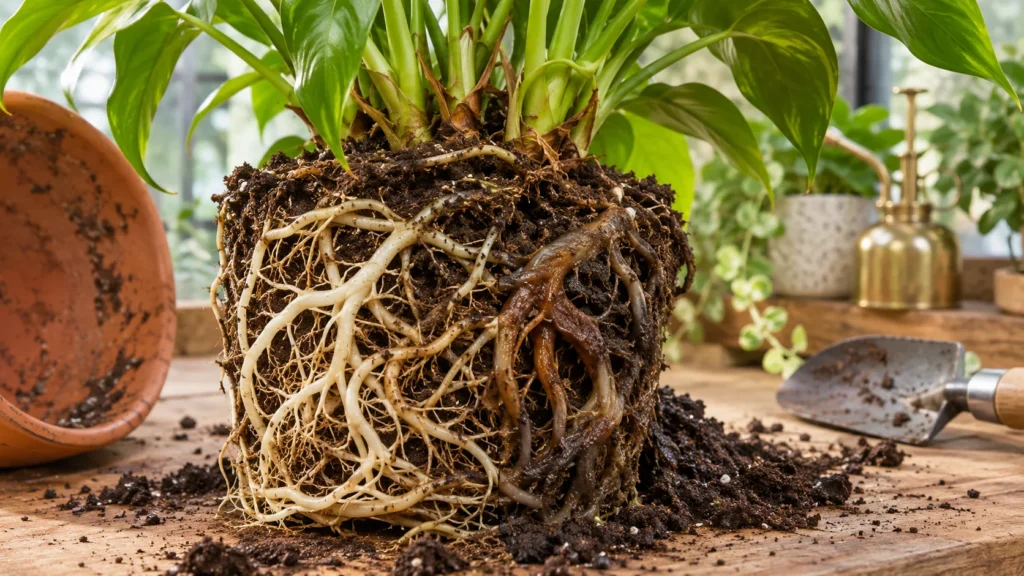
Persistently saturated potting mix can also interfere with root function. This may leave the plant unable to move water effectively even though moisture is present around its roots.
Clues to look for: The soil has become unusually dry or stays soggy for prolonged periods. The plant may also show drooping, yellowing, or reduced growth.
What may help: Check moisture below the surface and adjust watering to the plant’s requirements. Make sure the container and growing medium provide appropriate drainage and aeration.
Avoid adding water automatically whenever you notice curling. It could make a waterlogged root problem worse.
3. Dry Indoor Air and Unsuitable Humidity
Some tropical houseplants grow best with more atmospheric moisture than is available in a heated or air-conditioned room. In overly dry conditions, sensitive leaves may curl inward, develop dry edges, or grow poorly.
Humidity requirements vary widely. Succulents, many Mediterranean herbs, and numerous other plants do not benefit from the same conditions preferred by moisture-loving tropical foliage plants.
Clues to look for: Curling appears during periods of indoor heating or air conditioning, particularly when accompanied by crisp edges or increased sensitivity to light.
What may help: Keep sensitive plants away from direct heating and cooling vents, provide suitable humidity where needed, and avoid placing foliage immediately against hot or cold windows.
Do not assume frequent misting is a complete solution. It may provide only a brief change in moisture around the leaves and can be unsuitable for some plants.
4. Aphids and Other Sap-Feeding Insects
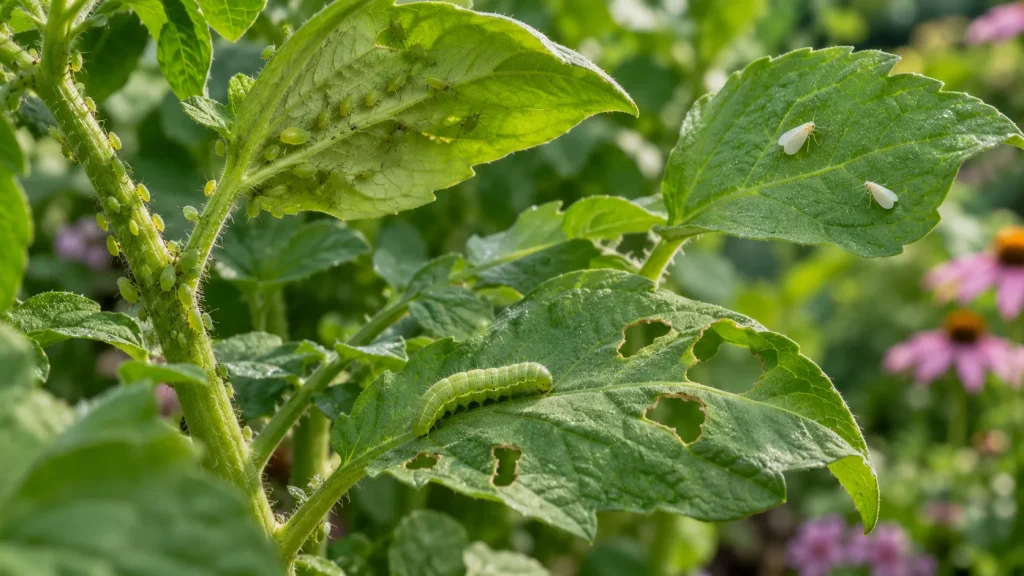
Aphids are small, soft-bodied insects that commonly feed on tender shoots and the undersides of leaves. When populations are high, their feeding can distort expanding foliage and contribute to curling, crinkling, or stunted growth.
Affected leaves may feel sticky because aphids release a sugary substance called honeydew. You may also notice clusters of small insects near growing tips.
Other sap-feeding pests can produce related damage, although the exact symptoms vary by species.
Clues to look for: Visible insects, sticky deposits, colonies on young shoots, or leaf deformation concentrated where pests are feeding.
What may help: Identify the insect and evaluate the extent of the infestation. On suitable plants, small aphid populations can sometimes be managed by gently washing or removing them, while natural predators help control many outdoor infestations.
5. Spider Mites, Broad Mites, and Related Mites
Mites are extremely small relatives of spiders. Different groups of plant-feeding mites create different symptoms.
Spider mites commonly cause fine pale speckling or stippling on leaves. More severe infestations may produce bronzing and fine webbing. Broad mites and cyclamen mites can cause striking distortion of tender new growth, including curling, puckering, and thickened or brittle tissue.
Clues to look for: Fine stippling, tiny moving specks, delicate webbing, or unusually distorted growing points. A magnifying lens may be necessary; certain mites are difficult to see without substantial magnification.
What may help: Confirm the likely pest before choosing a control method. Keep affected plants appropriately separated from susceptible houseplants where practical, monitor nearby foliage, and use species-specific pest management guidance.
6. Cold Drafts and Temperature Fluctuations
Sudden changes in temperature can affect leaf development, especially when leaves are still expanding. Sensitive houseplants may develop creased or malformed foliage when exposed to cold windows, drafts, or large day-to-night temperature swings.
Damage can be particularly noticeable after moving a plant outdoors too early in the season or positioning it near an air-conditioning outlet.
Clues to look for: Curling began after a cold night, a seasonal move, or a change in the plant’s position. New leaves may be affected more than mature foliage.
What may help: Provide temperatures appropriate to the species, protect sensitive plants from sudden exposure, and acclimatize plants gradually when moving between different growing environments.
7. Herbicide Exposure and Chemical Injury
Some weed-control products can injure nearby desirable plants through spray drift or contaminated growing materials. Sensitive plants, including tomatoes, may develop twisted shoots, narrow or strap-like leaves, and severely distorted new growth after exposure to certain herbicides.
Symptoms can resemble those caused by viruses or pests, making the history of exposure especially important.
Clues to look for: Several different plants are affected after nearby weed treatment, new leaves are unusually twisted or narrow, or the most exposed side of a plant shows greater damage.
What may help: Prevent further exposure and avoid applying additional sprays or fertilizers in an attempt to reverse the damage. Recovery depends on the substance, dose, plant species, and extent of injury. Seek local diagnostic advice for valuable crops or uncertain cases.
Important Caution: Do not apply insecticides, fungicides, or homemade sprays merely because leaves are curled. Curling is a symptom, not proof of a pest or disease. An unnecessary treatment may damage foliage, harm beneficial insects, or delay identification of the actual problem.
8. Viral Diseases and Persistent Growth Distortion
Some plant viruses affect normal leaf development. Depending on the crop and the virus involved, symptoms may include curling, twisting, mottled light and dark green patterns, unusually narrow leaves, stunting, or poor fruit development.
However, these symptoms overlap with herbicide injury, pest feeding, and environmental stress. A virus cannot be reliably identified from curled leaves alone, and confirming the specific virus may require laboratory testing.
Clues to look for: Persistent distortion combined with mosaic patterns, unusual discoloration, stunted growth, or symptoms spreading through susceptible plants.
What may help: Seek plant-specific diagnostic guidance and manage any confirmed disease according to local recommendations. There is no general treatment that cures a plant virus after infection; management focuses on preventing spread and protecting healthy plants.
Leaf Curling Symptoms: A Quick Comparison
Use the table below as a starting point for investigation. Similar appearances can have different causes, so always consider the plant species and recent conditions.
| What you notice | Possible explanation | What to check first |
|---|---|---|
| Leaves roll during hot afternoons | Heat or moisture stress | Temperature, sunlight, and soil moisture |
| Edges curl while foliage becomes dry | Drought stress or unsuitable humidity | Growing medium and species-specific humidity needs |
| Curling with drooping and persistently wet soil | Root-zone stress or impaired water uptake | Drainage and root-zone moisture |
| Curled new leaves with visible small insects | Aphids or other feeding insects | Growing tips and undersides of leaves |
| Fine speckles, webbing, or puckered new growth | Possible mite feeding | Leaf undersides and magnified pest evidence |
| New leaves twisted, narrow, or strap-like | Possible herbicide injury or other distortion | Recent sprays and exposure history |
| Curling with mottled patterns and stunting | Possible viral disease | Plant-specific disease symptoms and diagnostics |
| Leaves fold at predictable times without decline | Normal movement in some species | Natural growth habit and daily pattern |
How to Find the Cause of Curling Leaves: 6 Practical Checks
Before changing your plant’s care routine, work through these checks. They can help you distinguish a temporary response from a problem that needs intervention.
- Identify the plant. Check whether leaf folding, rolling, or curved growth is normal for its species or variety.
- Check which leaves are affected. Look for curling on older lower leaves, tender new growth, sun-exposed foliage, or throughout the plant.
- Inspect the root-zone moisture. Feel below the soil surface and check whether the growing medium is unusually dry, saturated, or poorly drained.
- Examine the undersides of leaves. Look for aphids, mites, sticky deposits, fine webbing, pale speckling, and signs of feeding.
- Review recent changes. Consider heatwaves, cold nights, repotting, a new window position, herbicide applications, or changes in irrigation.
- Monitor new growth. Take photographs and check whether healthy new leaves develop or distortion continues. Seek a reliable diagnosis if symptoms progress or additional warning signs appear.
Gardening Tip: Photograph the entire plant and take close-up pictures of both sides of an affected leaf. Record whether the leaf was already mature or still expanding when the problem appeared. This information can help distinguish environmental stress from damage to developing growth.
Why Are Tomato Plant Leaves Curling?
Tomato plants deserve special attention because leaf rolling is common in home vegetable gardens and is not always a sign of a serious problem.
Physiological Leaf Roll in Tomatoes
During hot weather or periods of moisture stress, older tomato leaves may roll upward along their edges. Some varieties are more prone to this response than others.
When the leaves remain mostly green, the plant otherwise grows normally, and there are no additional signs of pests or disease, this may be physiological leaf roll. It is often more of a visual concern than a serious threat to the harvest.
When Tomato Leaf Curling May Be More Serious
Look more closely when new leaves become extremely narrow, shoots twist, or growth becomes severely stunted. Aphids, herbicide damage, and certain viral diseases can cause distortion that differs from ordinary physiological leaf roll.
Yellow mottling, unusual fruit symptoms, or damage appearing across multiple nearby plants can provide further clues.
Avoid pulling out a tomato plant solely because its lower leaves have rolled during hot weather. At the same time, do not dismiss progressive distortion accompanied by other symptoms.
What to Do When Your Plant Leaves Are Curling
Once you have narrowed down the likely cause, choose the least disruptive suitable action rather than making several major changes at once.
If the Plant Is Too Hot
Reduce extreme heat exposure where practical and maintain suitable soil moisture. For container plants, consider whether reflected heat from a wall or paving is adding stress. Move sensitive houseplants away from intense midday sunlight when their species requires gentler conditions.
If the Soil Is Too Dry or Too Wet
Adjust watering based on the actual moisture condition and the needs of the plant. Thorough watering may be appropriate for a genuinely dry rootball, while saturated soil calls for attention to drainage and root health rather than additional water.
Do not rely on a rigid daily watering schedule for every species or season.
If Indoor Humidity Is Unsuitable
Check the environmental needs of the plant. For species requiring more humidity, consider an appropriately maintained humidifier or a more suitable indoor position. Avoid exposing leaves to constant dry air from heating or cooling systems.
If You Find Pests
Identify the pest and assess how widespread the infestation is. Some small aphid infestations can be reduced without pesticides. Mites and other pests may require different management techniques, so a treatment that works for one pest should not automatically be used for another.
When a plant protection product is genuinely needed, choose one labeled for the particular plant, pest, and use location. Follow its instructions and consider potential effects on beneficial organisms.
If You Suspect Herbicide or Viral Damage
Stop potential chemical exposure and document the symptoms. When viral disease is suspected, avoid moving potentially infected plant material or sharing contaminated tools while obtaining plant-specific guidance.
Neither problem can be diagnosed reliably from curl direction alone. For valuable plants or food crops, seek advice from a local horticultural extension or plant diagnostic service before making irreversible decisions.
Will Curled Leaves Straighten Out Again?
Sometimes. Leaves that temporarily roll in response to heat or moisture conditions may relax when the conditions improve. This depends on the plant and whether the leaf tissue remains healthy.
Leaves that were physically damaged while developing may stay crinkled or twisted even after the original cause has been corrected. Feeding injury, chemical damage, and severe deformation can leave permanent changes to older foliage.
Instead of expecting every curled leaf to return to its previous shape, watch for healthy new growth, normal plant vigor, and fewer new symptoms.
Good to Know: A permanently curled leaf is not necessarily a reason to remove it. If much of the tissue remains green and functional, the leaf may continue contributing to the plant’s growth. Avoid excessive pruning of an already stressed plant.
How to Reduce Leaf Curling Problems in the Future
Although some curling is unavoidable or completely natural, consistent plant care can reduce many environmental problems and help you catch pest damage early.
- Match plants to their growing conditions. Choose suitable light, temperature, and humidity rather than assuming all plants need the same environment.
- Water according to soil moisture. Consider root development, the season, pot size, and the species’ natural moisture needs.
- Avoid sudden environmental changes. Acclimatize plants gradually to stronger sunlight, outdoor temperatures, or new growing positions.
- Inspect young growth regularly. Early pest activity and developmental distortion are often easiest to notice on tender leaves and growing tips.
- Use garden chemicals carefully. Protect desirable plants from spray drift and avoid using questionable mulch, manure, or compost materials where herbicide residues may be a concern.
- Prevent unnecessary plant stress. Maintain appropriate growing media, drainage, spacing, and root-zone conditions.
- Observe recurring patterns. If leaves roll during similar weather conditions each year but plants otherwise thrive, the behavior may be less concerning than new or progressive distortion.
When Should You Be Concerned About Curling Leaves?
Leaf curling deserves more attention when it appears alongside symptoms that suggest continuing injury or a significant plant health problem.
- New growth is increasingly twisted, narrow, brittle, or severely stunted.
- Curled leaves show unusual mottling, rings, or widespread discoloration.
- The plant is losing foliage or declining despite suitable growing conditions.
- Several unrelated plants develop distortion following a possible chemical exposure.
- An infestation is spreading or new growth is consistently being damaged.
- A valuable plant or food crop may be affected by a disease that requires identification.
In these situations, carefully record symptoms and consult an appropriate horticultural diagnostic resource. A reliable diagnosis can prevent unnecessary treatments and avoid losing plants to a manageable issue.
Frequently Asked Questions
Why are my plant leaves curling upward?
Upward curling can occur because of environmental stress, pest damage, or other causes. In tomatoes, older leaves may roll upward during hot weather or moisture stress without seriously affecting growth. Check the plant species and other symptoms before deciding on a treatment.
Why are the leaves curling downward?
Downward curling can be associated with several issues, including environmental stress, pest feeding, or chemical injury. Its direction alone is not enough to identify the cause. Look for drooping, distortion, damaged new growth, and changes in soil moisture or growing conditions.
Can too much water cause leaves to curl?
Yes, excessive moisture can impair roots and contribute to leaf symptoms in some plants. However, curling alone does not prove overwatering. Check how wet the growing medium remains and whether the roots have suitable drainage and aeration.
Do curled leaves mean my plant needs water?
Not necessarily. Curling can occur with drought, heat, unsuitable humidity, pest feeding, and other conditions. Check the soil moisture and the plant’s overall condition before watering.
Why are only the new leaves curling?
New leaves are still developing, making them vulnerable to distortion from pests, temperature fluctuations, certain herbicides, and some diseases. Examine growing tips closely and review recent changes in the plant’s environment.
Can aphids cause curled leaves?
Yes. Heavy aphid feeding on developing foliage can cause leaves to become curled, crinkled, or distorted. Inspect young shoots and leaf undersides for small insects and sticky honeydew.
Why are my tomato leaves curling but the plant looks healthy?
Tomatoes can develop physiological leaf roll during high temperatures or moisture stress. If the leaves remain green and the plant continues growing normally, it may be largely cosmetic. Investigate further if there is severe distortion, mottling, stunting, or other unusual damage.
Will curled plant leaves return to normal?
Temporary rolling may reverse when the environment improves. Leaves that developed abnormally or suffered physical injury may remain distorted, even after the problem is resolved. Healthy new growth is often a better sign of recovery.
Should I cut off curled leaves?
Usually not simply because they are curled. Green leaves may still be useful to the plant. Remove foliage only when there is a clear plant-care reason, such as severe damage or appropriate disease management, and avoid unnecessary heavy pruning.
Final Thoughts
Curled leaves are a useful warning sign, but not every curl means a plant is sick. Start by identifying the plant, checking its growing conditions, and looking for other symptoms. Temporary rolling in hot weather may need little intervention, while badly distorted new growth can call for closer investigation.
The best solution depends on the actual cause. Appropriate watering, suitable temperatures, early pest detection, and careful use of garden products can prevent many problems. When symptoms are severe or unusual, a plant-specific diagnosis is more valuable than guessing.
If you are noticing other changes to your plant’s foliage, read our guide to why plant leaves turn yellow. For more troubleshooting guides, visit Plant Problems & Solutions.
Further Reading and Horticultural References
- University of Maryland Extension: Leaf Curling on Vegetables — common causes, including physiological rolling, insects, herbicides, and disease.
- University of Maryland Extension: Key to Common Problems of Tomatoes — distinguishing ordinary tomato leaf roll from pests, herbicide damage, and viruses.
- Royal Horticultural Society: Leaf Damage on Houseplants — environmental causes of deformed and damaged foliage.
- University of Maryland Extension: Aphids in Home Gardens — aphid feeding signs and management.
- University of Maryland Extension: Mites in Home Gardens — spider mites, broad mites, symptoms, and pest identification.
- University of Maryland Extension: Herbicide Damage on Vegetables — recognizing possible chemical injury.
- University of Minnesota Extension: Tomato Viruses — plant virus symptoms and diagnostic limitations.