Why Are Tomato Plants Not Producing Fruit?
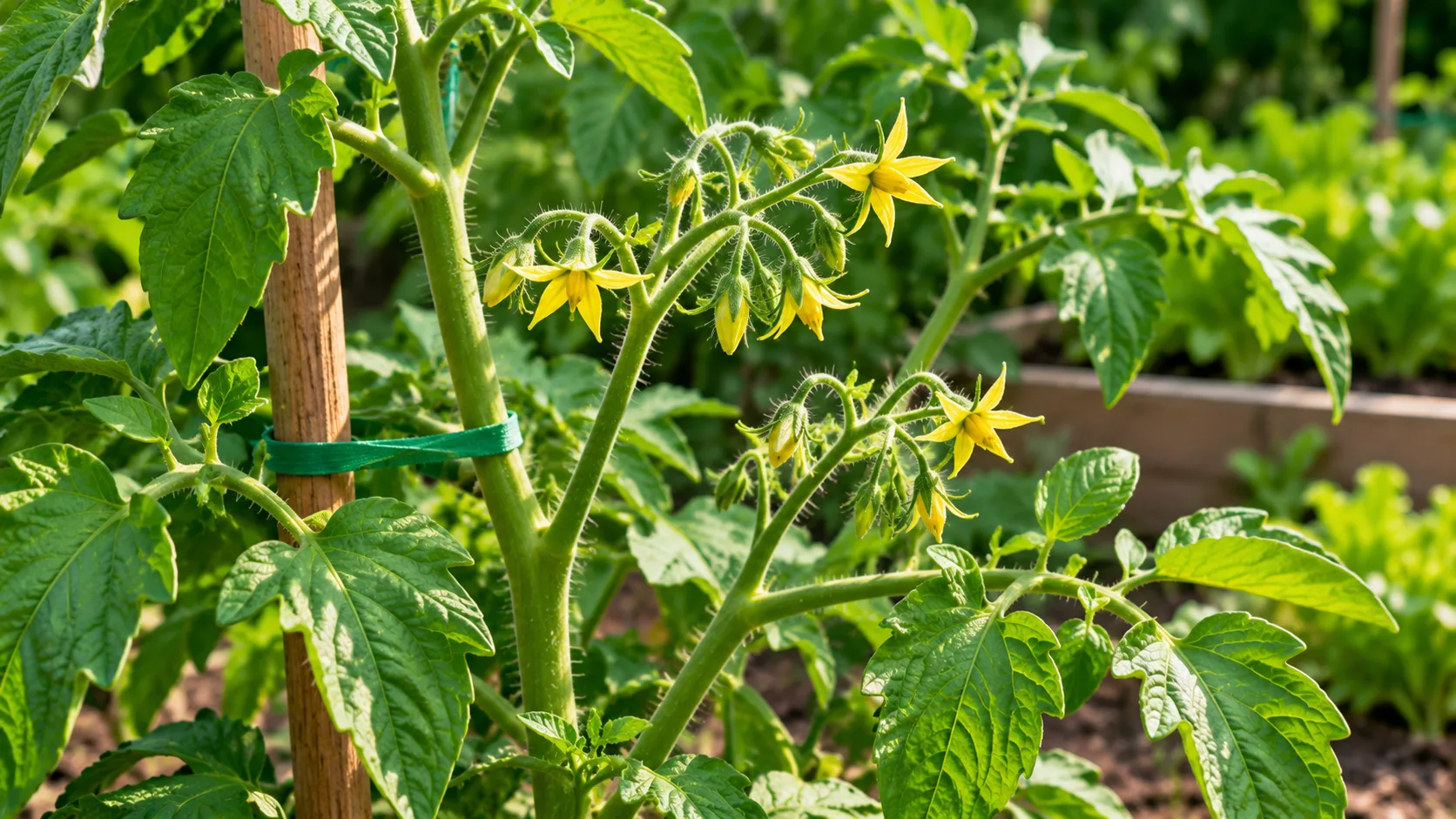
Few gardening problems are more frustrating than growing a large, healthy-looking tomato plant that produces plenty of green leaves but very few tomatoes. You water it, watch it grow, and wait for flowers to turn into fruit, yet the harvest never seems to arrive.
If your tomato plants are not producing fruit, the problem may not be a lack of fertilizer or poor plant health. Tomatoes can grow vigorously while environmental conditions prevent flowers from forming, pollen from functioning normally, or small developing fruits from remaining attached to the plant.
High temperatures are a particularly common cause. When days become very hot and nights remain warm, tomato flowers may fail to develop into fruit and eventually fall from the plant. Unusually cool nights can cause similar problems by interfering with pollen development and fertilization.
Other possible causes include insufficient direct sunlight, too much nitrogen fertilizer, inconsistent watering, restricted roots, poor greenhouse ventilation, and environmental stress. Young plants may simply need more time, while some older or diseased plants may lack the resources to maintain a productive crop.
The important first step is to identify what your plant is actually doing. A tomato plant that produces no flowers requires a different solution from one that produces plenty of yellow blossoms but drops them before fruit develops.
In this guide, you’ll learn why tomato plants stop producing fruit, how to identify the most likely cause, what temperatures interfere with flowering and pollination, and what practical steps may help restore production. You’ll also find guidance for container tomatoes, greenhouse plants, watering, fertilizer, pruning, and troubleshooting common fruiting problems.
Quick Answer: Why Are My Tomato Plants Not Producing Fruit?
Tomato plants most commonly fail to produce fruit because temperatures are too hot or too cold for successful pollination, flowers are dropping, the plants receive insufficient sunlight, or too much nitrogen fertilizer encourages leaf growth instead of productive flowering.
Water stress, poor drainage, root restriction, and unfavorable greenhouse conditions can also contribute.
Tomatoes are generally self-pollinating, which means a single plant can produce fruit without requiring a second tomato plant. However, pollen still needs to move within the flower, usually helped by wind or vibration.
When temperatures remain excessively high, pollen production, pollen release, and fertilization can be disrupted. Flowers may then turn yellow at their stems, dry up, and fall before forming tomatoes.
Here is what to check first:
- No flowers: Check plant maturity, sunlight, fertilizer use, and general growing conditions.
- Flowers appear but fall off: Investigate daytime and nighttime temperatures, moisture stress, and pollination conditions.
- Flowers stay but no tomatoes form: Check pollination, humidity, temperature, and whether fruit has had enough time to develop.
- Lots of leaves but few flowers: Consider excess nitrogen or insufficient sunlight.
- Small fruits form but drop: Check extreme temperatures, irrigation, and overall plant stress.
- Green tomatoes do not ripen: This is a ripening problem rather than a failure to set fruit, and it requires a different assessment.
If your tomato plant is otherwise healthy but has stopped setting fruit during a heatwave, it may resume production when temperatures become more favorable. Avoid making drastic changes while waiting for conditions to improve. If flowers are dropping during a hot spell, compare ways to protect plants from summer heat.
Gardening Tip: Examine several flower clusters before treating a tomato plant. If the flowers are drying and their small connecting stems are turning yellow before falling, temperature-related blossom drop or failed pollination may be responsible. Record recent daytime and nighttime temperatures before reaching for fertilizer.
First, Identify Why Your Tomato Plant Is Not Fruiting
Not all tomato fruiting problems are the same.
Before deciding how to help the plant, look carefully at its growth stage, flowers, leaves, and any small fruits that may already be developing.
Situation 1: The Tomato Plant Has No Flowers
If a tomato plant is growing leaves and stems without producing flowers, first consider whether it is mature enough to flower.
Young transplants naturally spend time establishing roots and foliage before developing flower clusters.
However, an older plant with vigorous leafy growth and no flowers may be receiving too much nitrogen fertilizer or insufficient sunlight.
Check the cultivar’s expected maturity, available direct sunlight, and recent feeding history.
Situation 2: The Plant Flowers but Drops Its Blossoms
This is commonly called blossom drop.
Yellow tomato flowers develop normally at first but detach before becoming fruit.
Temperature extremes are among the leading explanations, although moisture stress and other unfavorable conditions can contribute.
Check whether recent weather has included very hot afternoons, warm nights, unusually cold nights, or strong drying winds.
Situation 3: Flowers Remain but Fruit Does Not Develop
Tomato flowers need successful pollen transfer and fertilization for normal seeded-fruit development.
Outdoor flowers are usually assisted by natural air movement and insect visits.
Inside an enclosed greenhouse or indoor growing area, insufficient flower vibration may reduce pollination.
However, even successful movement of pollen may not result in fruit if temperatures interfere with pollen viability or fertilization.
Situation 4: Small Tomatoes Form but Stop Growing
If tiny green fruits have already formed, pollination and early fruit development may have occurred.
Stalled growth can be associated with unfavorable temperatures, moisture problems, insufficient nutrients, limited root space, or plant stress.
Check the condition of the whole plant and allow for normal variety-specific growth rates before assuming the crop has failed.
Situation 5: Tomatoes Are Present but Remain Green
This is different from a fruit-setting problem.
A tomato plant may have successfully produced fruits that are simply not mature enough to ripen.
Ripening can also slow during temperature extremes or late-season conditions.
Do not treat green fruit as proof that the plant needs additional pollination or flower-inducing fertilizer.
1. High Temperatures Can Stop Tomato Plants From Producing Fruit
Heat stress is one of the most common reasons a tomato plant produces healthy foliage and flowers but little fruit.
Although tomatoes are warm-season crops, their flowers can be more sensitive to extreme temperatures than the rest of the plant.
What Temperature Is Too Hot for Tomatoes to Set Fruit?
There is no single temperature that causes every tomato cultivar to stop fruiting.
However, University of Maryland Extension reports that daytime temperatures around 31–32°C (88–90°F) or higher and nighttime temperatures around 21°C (70°F) or higher can interfere with fruit set.
University of Minnesota Extension also identifies sustained hot days and warm nights as important causes of tomato flower abortion.
The duration of exposure matters. A brief hot afternoon may have less impact than several consecutive days and nights without enough cooling.
Heat tolerance also varies by cultivar and growing conditions.
Why Hot Nights Are Especially Important
Many gardeners focus only on the highest daytime temperature.
However, nighttime warmth can be equally important for tomato fruit production.
When nighttime temperatures remain high, plants may experience ongoing stress rather than recovering sufficiently from daytime heat.
High temperatures can interfere with flower development, pollen production, pollen release, and fertilization.
The plant may continue growing leaves while the reproductive process temporarily becomes unsuccessful.
Signs of Heat-Related Blossom Drop
- Flowers appear normally but do not become tomatoes.
- The small stems supporting individual flowers turn yellow.
- Flower clusters dry and drop after hot weather.
- The plant continues producing green foliage.
- Few new fruits appear during prolonged warm nights.
- Fruiting resumes after the weather becomes more favorable.
These symptoms can have more than one cause, so check moisture and overall plant health alongside the weather.
How to Help Tomatoes During Extreme Heat
You cannot completely control outdoor temperatures, but you can reduce unnecessary stress.
- Check moisture at root depth and water appropriately.
- Apply suitable mulch to reduce soil moisture loss.
- Consider temporary light shade during extreme afternoon heat.
- Maintain good airflow around plants.
- Avoid heavy pruning that suddenly exposes fruit and stems to intense sunlight.
- Do not apply excessive fertilizer to force flowering.
- Choose locally appropriate heat-tolerant cultivars for future planting.
- Allow healthy plants time to resume fruiting as conditions improve.
Shade cloth may help moderate severe heat, but too much shade can reduce photosynthesis and productivity.
Choose a suitable shading method and avoid enclosing plants in a structure that traps additional hot air.
Good to Know: A healthy tomato plant may temporarily stop setting fruit during a heatwave and begin forming tomatoes again when temperatures moderate. Flowers already lost cannot be restored, but new flower clusters may produce a later harvest.
2. Cool Night Temperatures Can Also Prevent Tomato Fruit Set
Tomatoes need suitable warmth, but both ends of the temperature range can create problems.
Plants exposed to unusually cool nights may flower without successfully setting fruit.
How Cold Is Too Cold for Tomato Pollination?
Nighttime temperatures below approximately 13°C (55°F) can interfere with pollen development and fertilization in many tomato varieties.
The University of Maryland Extension and Oregon State University Extension both describe poor pollination and fruit development during sufficiently cool nights.
Different cultivars respond differently, and brief cool conditions may not have the same impact as prolonged exposure.
Why Planting Too Early Can Delay Tomatoes
Tomato transplants planted into cold soil may establish roots slowly.
Low temperatures can restrict normal nutrient uptake and reduce plant growth.
Even if the plants survive, they may take longer to develop healthy flower clusters and fruits.
Wait until frost danger has passed and soil temperatures are suitable before transplanting outdoor tomatoes.
How to Protect Tomatoes From Cool Conditions
- Choose planting dates appropriate for the local climate.
- Harden off indoor-grown seedlings before transplanting.
- Use appropriate temporary frost protection when necessary.
- Ventilate protective covers during warm sunshine to prevent overheating.
- Move manageable container plants to suitable shelter when cold conditions are expected.
- Avoid planting repeatedly into very cold, saturated ground.
In a region with a short growing season, selecting an earlier-maturing tomato variety may provide more reliable harvests.
3. Poor Pollination Can Prevent Tomato Flowers From Becoming Fruit
Tomato flowers contain both male and female reproductive structures.
This allows most cultivated tomato varieties to self-pollinate.
However, successful pollination still depends on viable pollen reaching the receptive stigma within the flower.
Do Tomato Plants Need Bees to Produce Tomatoes?
Tomatoes do not normally require bees to produce fruit.
Their flowers are self-fertile, and wind movement or vibration can help release pollen.
Certain bees can improve pollen release through vibration, but a single healthy tomato plant outdoors can produce fruit without a second plant or regular bee visits.
Problems are more likely when pollen movement is restricted or environmental conditions make pollen ineffective.
Why Tomato Flowers Sometimes Need Vibration
Tomato pollen is released from anthers located close to the flower’s stigma.
Gentle movement of the flower helps pollen fall or shift onto the receptive structure.
Outdoor breezes often provide enough movement.
In a still greenhouse or enclosed growing area, pollen release may be less reliable.
How to Hand-Pollinate Tomato Flowers
If tomato flowers are developing under suitable temperatures but natural movement is limited, you can gently assist pollen transfer.
- Choose a mature, open tomato flower cluster.
- Wait for a suitable time during the day when conditions are not excessively hot or humid.
- Gently tap or vibrate the flower cluster or its supporting stem.
- Avoid pulling, crushing, or shaking the entire plant forcefully.
- Repeat occasionally while flowers remain receptive.
- Monitor whether small fruits begin developing afterward.
For greenhouse growing, a purpose-designed pollination vibrator may be useful, but it is not necessary for every home garden.
Hand-assisted vibration cannot overcome pollen that has already been damaged by extreme temperatures.
How to Tell if a Tomato Flower Has Set Fruit
After successful fertilization, the ovary at the base of the flower begins enlarging.
The petals usually dry and fall away, leaving a developing green tomato.
If the entire flower and its supporting stalk yellow and detach, fruit set has failed.
Do not mistake the normal loss of petals from a successfully set fruit for blossom drop.
4. Excessive or Very Low Humidity Can Interfere With Pollination
Relative humidity influences pollen release and flower function.
Very humid conditions can make tomato pollen less likely to release properly from the anthers.
Extremely dry conditions can also interfere with normal pollen behavior and flower function.
Why High Humidity Causes Problems
University of Maryland Extension reports that relative humidity above approximately 80% during pollen release can contribute to poor tomato pollination.
The problem may be particularly noticeable in greenhouses and high tunnels with limited ventilation.
High humidity combined with warm nights may further reduce fruit set.
Improving Air Movement
Provide suitable greenhouse ventilation and avoid unnecessary overcrowding.
In enclosed growing spaces, appropriately positioned fans can support gentle air circulation.
Do not direct excessively strong airflow at fragile plants or allow greenhouse ventilation systems to create unsafe conditions.
Monitor actual temperature and humidity rather than assuming that more ventilation will solve every fruiting problem.
5. Tomato Plants May Not Produce Fruit Because They Need More Sunlight
Tomatoes need sufficient light to support vigorous growth, flowering, and fruit development.
A tomato plant in partial shade may survive and produce green foliage without developing a productive crop.
How Much Sunlight Do Tomatoes Need?
Tomatoes generally need at least six hours of direct sunlight each day.
University of Maryland Extension recommends approximately eight to ten hours where suitable conditions allow.
Actual requirements vary with cultivar, climate, and the intensity of sunlight.
In very hot climates, plants may benefit from some protection against extreme afternoon heat while still receiving enough total light.
Signs of Insufficient Sunlight
- Tall, stretched stems reaching toward a light source.
- Long gaps between leaves.
- Slow flowering despite continued growth.
- Few flowers or fruits compared with the cultivar’s potential.
- Weak, sprawling growth when other conditions are adequate.
- Very slow fruit development or ripening in heavily shaded conditions.
These symptoms are not unique to shade, so also assess nutrient management, temperature, and plant maturity.
What to Do When Tomatoes Are Growing in Shade
Observe the planting location throughout the day to confirm the amount of direct sunlight.
Move container-grown plants to a brighter suitable location when practical, gradually acclimatizing them if light intensity changes substantially.
For in-ground plants, avoid severe root disturbance by repeatedly moving mature plants.
Instead, improve available light where safely possible or select a sunnier planting area next season.
6. Too Much Nitrogen Can Cause Lots of Leaves but Few Tomatoes
If your tomato plant is unusually tall, deeply green, and full of leaves but produces few flowers, review how much fertilizer it has received.
Nitrogen supports leafy growth, but an excessive supply can encourage vegetative development at the expense of balanced plant growth and timely fruit production.
Why Excess Nitrogen Delays Fruiting
Tomatoes need nitrogen to build healthy leaves and stems.
However, repeated heavy applications of nitrogen-rich fertilizer can promote strong vegetative growth without proportional improvement in flowering or fruit production.
Too much nitrogen may be especially problematic when combined with insufficient sunlight.
Signs of Excessive Nitrogen
- Very vigorous stem and leaf production.
- Unusually lush, deep-green foliage.
- Relatively few flower clusters.
- Delayed flowering compared with expected maturity.
- A history of frequent nitrogen-rich fertilizer applications.
These clues do not prove nitrogen excess by themselves. Healthy tomatoes can naturally be vigorous, particularly indeterminate varieties.
How to Correct Possible Overfertilization
Review the fertilizer products and application rates used.
If excessive nitrogen is likely, stop unnecessary nitrogen-rich feeding rather than adding another product.
For in-ground tomatoes, soil testing can help determine whether additional nutrients are actually needed.
For container tomatoes, follow the potting-medium and fertilizer manufacturer’s recommendations and avoid combining several feeding programs.
Allow time for growth to become more balanced. Extra fertilizer cannot instantly convert leaves into flowers.
Do Tomatoes Need Phosphorus and Potassium?
Yes. Tomatoes require a balanced supply of essential nutrients, including phosphorus and potassium.
However, applying large quantities of high-phosphorus or high-potassium fertilizer does not guarantee more flowers or fruit.
Excessive nutrients can accumulate and create imbalances or salt stress.
Choose fertilizer based on existing nutrient supply, the growing medium, and crop requirements.
Will Epsom Salt Make Tomatoes Produce More Fruit?
Epsom salt supplies magnesium and sulfur, not a complete balance of plant nutrients.
It is not a general solution for poor flowering, blossom drop, or inadequate fruit set.
University of Maryland Extension advises against adding Epsom salts unless testing identifies a magnesium deficiency.
Do not apply it automatically because flowers are falling or tomatoes are not forming.
7. Inconsistent Watering Can Reduce Tomato Fruit Production
Tomato plants need a reliable supply of water to support root function, flower development, and growing fruits.
Both prolonged drought and excessive saturation can cause stress.
How Underwatering Affects Flowering
When soil becomes excessively dry, roots may struggle to supply enough moisture for normal plant processes.
Severe water stress can interfere with growth, flowering, and the plant’s ability to support developing fruits.
Hot and windy weather increases the risk because water loss from leaves becomes greater.
How Overwatering Affects Tomato Roots
Tomato roots need oxygen as well as water.
If the root zone remains saturated for prolonged periods, oxygen availability decreases and root health may suffer.
Plants may then wilt, turn yellow, grow slowly, or fail to support normal flowering and fruit development.
Adding more water to already saturated soil can make the problem worse.
How Often Should You Water Tomato Plants?
There is no single watering schedule for every tomato plant.
Water requirements depend on soil texture, temperature, rainfall, plant size, root depth, and whether the tomato is growing in the ground or a container.
For established garden tomatoes, approximately 2.5 cm (1 inch) of water per week from rainfall and irrigation is a commonly used starting guideline under ordinary conditions.
Hot weather and sandy soils may require adjustments, while cool, wet conditions may require little additional irrigation.
Check moisture in the active root zone rather than following the calendar alone.
Use Mulch to Reduce Moisture Fluctuations
Suitable organic mulch helps reduce evaporation, moderate surface soil temperature, and suppress weeds.
Materials may include clean straw, shredded leaves, or other appropriate organic mulches.
Keep mulch from piling directly against the main stem, and maintain appropriate soil moisture beneath it.
Avoid Repeated Wetting of the Leaves
Whenever practical, apply irrigation around the root zone using drip irrigation, a soaker hose, or another suitable method.
Repeated prolonged leaf wetness can increase the risk of certain tomato diseases.
Water sufficiently to reach the roots without leaving the soil permanently saturated.
8. Poor Soil, Drainage, or Root Health Can Limit Fruit Production
A tomato plant’s ability to produce fruit depends partly on the health of its root system.
Roots absorb water and nutrients that support leaf growth, flowering, and developing tomatoes.
Compacted Soil
Heavily compacted soil can restrict root development and reduce the movement of water and air.
Plants may struggle to establish an extensive root system and become more vulnerable to stress.
Improve soil structure before planting future crops, and avoid working wet soil when doing so would create further compaction.
Waterlogged Soil
Persistently wet soil can deprive roots of oxygen and encourage certain root diseases.
Check for standing water, compacted layers, blocked drainage, or irrigation applied faster than soil can absorb and drain it.
Do not add fertilizer to compensate for severely damaged roots without addressing the underlying conditions.
Soil pH and Nutrient Availability
Soil pH influences nutrient availability and root function.
Tomatoes commonly grow well in slightly acidic soil, with many horticultural recommendations falling around pH 6.0–6.8.
However, exact management targets depend on local soil conditions.
Use a reliable soil test before adding lime, sulfur, or large fertilizer quantities to correct an assumed pH problem.
Root Diseases and Other Damage
Root problems can reduce the plant’s ability to maintain normal growth and fruit production.
Warning signs may include persistent wilting despite suitable moisture, stunting, yellowing, or unusual root discoloration.
However, these symptoms can result from several causes and should not be used alone to diagnose a particular disease.
9. Why Are Tomato Plants in Containers Not Producing Fruit?
Tomatoes can produce excellent harvests in containers, but pot-grown plants have less root space and a smaller reserve of moisture and nutrients than most in-ground plants.
The main problems to investigate are container size, sunlight, watering, potting mix, and nutrient management.
A Pot That Is Too Small
Small pots restrict root development and can dry rapidly as a tomato plant becomes larger.
For some compact or dwarf cherry tomato varieties, a container of approximately 7.5 liters (2 US gallons) may be sufficient under suitable conditions.
For many standard tomato plants, approximately 19 liters (5 US gallons) is a practical minimum starting point, while vigorous indeterminate cultivars often benefit from substantially more volume.
A larger container may improve moisture stability and support a larger root system, but total wet weight and available space must also be considered.
Using Unsuitable Potting Mix
Ordinary dense garden soil can compact in containers and restrict drainage.
Use quality container potting mix appropriate for edible vegetables.
Choose pots with functional drainage openings and avoid unnecessary thick gravel layers beneath the growing medium.
Container Soil Drying Too Quickly
As the plant develops a larger canopy, its water use increases.
During hot weather, a small container may become dry much faster than expected.
Check moisture frequently and consider an appropriately larger pot or suitable irrigation arrangement when rapid drying becomes difficult to manage.
Too Much Fertilizer in a Small Root Zone
Fertilizer salts can accumulate in containers when applications exceed plant needs.
This can damage roots and contribute to poor plant performance.
Use fertilizer according to the growing medium, product label, and plant requirements instead of feeding every time growth appears slow.
Balcony and Patio Heat
A container positioned against a hot wall or on dark paving may experience higher root-zone temperatures.
Reflective surfaces can also raise the temperature around flowers.
When possible, choose a growing location with adequate sunlight, suitable airflow, and protection from extreme reflected heat.
On balconies, confirm structural loading limits and use safe, stable supports before installing large pots.
10. Plant Age, Tomato Variety, and Growing Season Affect Fruiting
Sometimes a plant that appears to be failing is simply too young or is growing at a different rate than expected.
How Long Do Tomatoes Take to Produce Fruit?
Many common tomato varieties begin producing harvestable fruit approximately 65–90 days after transplanting under favorable conditions.
However, some early-maturing cherry tomatoes can be ready sooner, while certain large-fruited varieties may take longer.
Seed packets commonly report days to maturity from transplanting rather than from sowing seeds.
The length of time between flowering and harvest also varies with temperature, fruit size, and cultivar.
Determinate Tomatoes
Determinate tomato plants generally develop a more defined growth habit and produce a substantial part of their crop during a relatively concentrated period.
They are often useful for gardeners who want a predictable harvest window or a compact plant.
However, the exact size and production pattern depend on the cultivar.
Indeterminate Tomatoes
Indeterminate varieties continue extending their stems and producing new flower clusters while growing conditions remain favorable.
They can be productive over a longer period, but often need substantial support, growing space, and maintenance.
In unsuitable heat or cold, even vigorous indeterminate plants may temporarily produce few tomatoes.
Choose Varieties for Your Climate
For hot-summer climates, consider varieties with documented tolerance of heat-related fruit-setting problems.
University of Maryland Extension identifies examples such as ‘Solar Fire’, ‘Solar Set’, ‘Florida 91’, and ‘Arkansas Traveler’ among cultivars that may perform better in hot conditions.
However, no cultivar is guaranteed to produce normally during extreme weather.
For short growing seasons, an earlier-maturing cultivar may be more practical than a tomato requiring a long period to produce ripe fruit.
Can Tomatoes Stop Producing at the End of the Season?
Yes. Declining temperatures, shorter days, disease pressure, and natural plant aging can reduce production later in the growing season.
Determinate varieties may also finish producing most of their planned crop.
Before attempting to force new flowers, consider whether enough favorable growing time remains for additional fruit to mature.
11. Can Incorrect Pruning or Overcrowding Reduce Tomato Production?
Tomato plants need sufficient healthy foliage to produce the energy required for flowering and fruit development.
Pruning can help manage some varieties, but excessive removal of leaves and stems can reduce productivity.
Pruning Indeterminate Tomatoes
Some gardeners remove selected side shoots, often called suckers, from indeterminate tomatoes to manage growth and improve access.
However, pruning methods depend on the growing system, variety, and intended harvest.
Removing every side shoot is not universally necessary and can reduce potential flowering sites.
Avoid Heavy Pruning of Determinate Varieties
Determinate tomatoes have a more limited growth pattern.
Heavy removal of productive shoots can reduce the number of flowers and fruits these plants produce.
Choose a pruning method suited to the cultivar rather than applying the same technique to every tomato.
Overcrowded Tomato Plants
Closely spaced plants may shade one another and compete for light, water, and nutrients.
Dense foliage can also restrict airflow and make it difficult to inspect plants.
Follow appropriate spacing for the cultivar and its support system.
Do not attempt to fix severe overcrowding by suddenly removing most of the healthy foliage.
Support Plants Properly
Stakes, cages, and suitable trellises help support heavy fruit clusters and keep stems organized.
Broken branches, unstable containers, and repeated stem damage can reduce the plant’s productive capacity.
Install appropriate support early and secure it against the expected mature plant weight.
12. Pests, Diseases, and Other Stress Can Reduce Tomato Fruit Production
Tomato plants affected by pests or diseases may have less healthy foliage, reduced root function, or damaged growing points.
These problems can indirectly reduce flowering and fruit production.
Aphids and Whiteflies
Aphids and whiteflies feed on plant sap and can weaken heavily infested tomato plants.
They may occur on tender shoots and the undersides of leaves.
Some species can also transmit plant viruses.
Identify the pest before applying any treatment.
Spider Mites
Spider mites may cause pale stippling, yellowing, and fine webbing on foliage.
Severe infestations can reduce the amount of healthy leaf tissue available for photosynthesis.
Hot, dry environments may encourage some mite problems.
Foliar Diseases
Diseases such as early blight, Septoria leaf spot, and other tomato infections can damage leaves and reduce plant vigor.
Severe loss of healthy foliage can limit the resources available to support fruit development.
Maintain appropriate spacing, use suitable irrigation methods, and follow locally recommended integrated disease management practices.
Viral Diseases and Distorted Growth
Certain plant viruses can cause distorted leaves, unusual coloration, stunting, and reduced fruit production.
However, symptoms may resemble herbicide injury, nutrient problems, or other stress.
Seek reliable identification before deciding how to manage a suspected infection.
When Is a Tomato Plant Too Damaged to Recover?
A plant with healthy growing points and an adequate root system may recover from temporary environmental stress.
However, severe root damage, advanced systemic disease, or extensive stem injury may prevent meaningful recovery.
Consider the diagnosis, plant condition, and remaining growing season before investing additional effort in an unproductive plant.
How to Improve Tomato Fruit Set in a Greenhouse or Indoor Growing Area
Greenhouse tomatoes can be highly productive, but enclosed growing spaces require careful management of temperature, humidity, airflow, and pollination.
Ventilate During Warm Weather
Greenhouses can become hotter than surrounding outdoor air, particularly under direct sunshine.
Open suitable vents and use appropriate ventilation systems to reduce unnecessary overheating.
Monitor both daytime maximum temperatures and nighttime conditions.
Manage Humidity
Very high relative humidity can interfere with pollen release.
Use ventilation and appropriate spacing to reduce prolonged excessive humidity when conditions permit.
However, excessive ventilation during cold weather may lower temperatures below the range suitable for fruit set.
Assist Flower Vibration When Necessary
In a still greenhouse, gently tapping or vibrating open flower clusters can help release pollen.
University of Maryland Extension and the Royal Horticultural Society both discuss assisted flower movement as a method of improving pollination in protected growing conditions.
However, vibration should be gentle and should not be treated as a solution to extreme temperature stress.
Make Sure Indoor Tomatoes Have Enough Light
Tomatoes grown indoors need strong illumination for productive growth.
A typical dim windowsill may support a small plant but not provide enough usable light for a large tomato crop.
Appropriate supplemental growing lights may be necessary, depending on the growing system.
Avoid Combining Heat Stress With Overfeeding
Applying excessive fertilizer to greenhouse tomatoes during a period of poor heat-related pollination does not solve the underlying problem.
Maintain balanced nutrient and moisture management while correcting environmental conditions.
How to Help Tomato Plants Produce More Fruit: Step-by-Step
Once you have identified the likely cause, use a practical troubleshooting sequence rather than changing several growing conditions simultaneously.
Step 1: Check Whether Flowers Are Forming
Inspect the plant for yellow flower clusters.
If there are no flowers, review plant age, sunlight, and fertilizer use first.
If flowers are present but falling, focus on temperature, moisture, and pollination conditions.
Step 2: Record Daytime and Nighttime Temperatures
Check whether daytime or nighttime temperatures have remained outside the crop’s favorable fruit-setting range.
Remember that warm nights can be important even when daytime temperatures are not exceptionally high.
If heat stress is likely, reduce unnecessary stress and wait for improved conditions.
Step 3: Measure Available Direct Sunlight
Observe how many hours of direct sunlight the plant receives.
For most tomatoes, aim for at least six hours, with more useful sunlight preferred under suitable temperatures.
Move manageable containers to a better location if necessary.
Step 4: Check Root-Zone Moisture
Use a finger, small trowel, or suitable probe to assess moisture beneath the surface.
Do not automatically water a wilting plant without confirming whether the root zone is dry or saturated.
Restore appropriate moisture where needed and correct drainage problems.
Step 5: Review Fertilizer Use
Check what products have been applied and how often.
Stop unnecessary nitrogen-rich feeding when excessive vegetative growth suggests a possible imbalance.
Do not add phosphorus, potassium, Epsom salts, or homemade feeding mixtures without a reason supported by soil conditions or plant needs.
Step 6: Assess Flower Pollination
For tomatoes growing in a still greenhouse or indoor environment, gentle vibration of open flowers may help pollen release.
For outdoor plants with suitable wind movement, additional manual pollination is often unnecessary.
Remember that pollen damaged by heat or cold may not respond to assisted movement.
Step 7: Improve Airflow Without Overpruning
Check whether plants are severely crowded and whether supports are adequate.
Remove clearly diseased or dead material when appropriate using clean tools.
Do not strip large quantities of healthy foliage simply to expose flower clusters.
Step 8: Check for Pest and Disease Symptoms
Look for abnormal leaf patterns, severe wilting, distorted growing tips, insect infestations, and signs of root problems.
Identify any underlying problem before treating it.
Step 9: Allow Time for New Flowers
Flowers lost because of stress will not turn into tomatoes later.
However, a healthy plant may produce new flower clusters once growing conditions become favorable.
Continue appropriate care and observe whether new small fruits develop.
Step 10: Adjust Future Planting Decisions
If poor fruit production occurs repeatedly at the same time each season, review your planting calendar and variety selection.
In hot regions, choose planting periods that allow much of the flowering and fruit-setting stage to occur during more favorable temperatures.
Select locally appropriate heat-tolerant or early-maturing cultivars where necessary.
Tomato Fruit Production: Temperature and Diagnosis Charts
The following tables summarize common growing conditions and likely causes of poor tomato fruit production.
Tomato Temperature and Fruit Set Guide
| Temperature condition | Possible effect | Recommended response |
|---|---|---|
| Night temperatures below about 13°C (55°F) | Poor pollen development or fertilization in susceptible varieties | Protect plants from unsuitable cold and wait for warmer conditions |
| Moderate days around 21–27°C (70–80°F), with suitable nights | Often favorable for normal growth and fruit development | Maintain adequate light, moisture, and nutrition |
| Sustained days around 31–32°C (88–90°F) or warmer | Increased risk of pollen problems and blossom drop | Reduce heat stress and maintain root-zone moisture |
| Warm nights around 21°C (70°F) or higher | Greater risk of unsuccessful fruit set during prolonged exposure | Improve airflow where appropriate and allow cooler weather to restore production |
| Extreme daytime heat around 35°C (95°F) or above | Substantial reproductive stress and reduced productivity | Protect plants from severe stress; avoid forcing growth with fertilizer |
| Rapid changes between temperature extremes | Possible blossom drop, interrupted growth, and irregular development | Maintain stable moisture and protect plants from avoidable stress |
No Tomatoes: Symptoms, Possible Causes, and First Checks
| What you notice | Possible explanation | What to check first |
|---|---|---|
| Large green plant with no flowers | Excess nitrogen, insufficient sunlight, or immaturity | Plant age, direct sun, and fertilizer history |
| Flowers turn yellow at the stalk and fall | Blossom drop linked to heat, cold, or other stress | Recent temperatures and soil moisture |
| Flowers form inside a still greenhouse but no fruit develops | Inadequate flower vibration or unfavorable humidity and temperature | Air movement, humidity, and flower condition |
| Flowers fall during hot nights | Temperature-related pollination failure | Nighttime minimum temperatures |
| Plant receives only a few hours of sun | Insufficient light for strong fruit production | Hours of direct sunlight |
| Plant wilts and soil is dry | Drought stress | Moisture throughout the root zone |
| Plant wilts while soil remains wet | Oxygen shortage, root damage, or disease | Drainage and root health |
| Container tomato stops growing | Restricted roots, moisture problems, or nutrient limitations | Pot volume, drainage, and potting medium |
| Flowers form but the plant has severe leaf damage | Pests, disease, or another significant stress | Accurate identification of visible symptoms |
| Small tomatoes are present but remain green | Immaturity, temperature stress, or ripening delay | Fruit age, variety, and recent weather |
| Young healthy transplant has not flowered | Normal development stage | Days since transplanting and cultivar maturity |
| Determinate tomato produced one large crop and slowed | Normal cultivar growth pattern | Variety type and completed harvest |
Determinate vs. Indeterminate Tomato Production
| Characteristic | Determinate tomatoes | Indeterminate tomatoes |
|---|---|---|
| Growth habit | Usually more limited and defined | Continue extending stems during suitable conditions |
| Harvest pattern | Often more concentrated | Can continue over a longer period |
| Pruning | Heavy pruning may remove productive branches | Selective training may be useful |
| Support | Depends on mature plant size | Often requires substantial support |
| Container suitability | Some compact cultivars are well suited | Vigorous varieties usually need larger pots |
| Response to extreme heat | Flowering and fruit set can suffer | Flowering and fruit set can suffer |
12 Common Mistakes That Prevent Tomato Plants From Producing Fruit
1. Ignoring Nighttime Temperatures
Warm nights can interfere with pollination even when tomato plants look healthy.
Better approach: Monitor both daytime highs and nighttime lows when flowers repeatedly drop.
2. Assuming Every Flower Needs Bees
Tomatoes are generally self-pollinating and do not need a second plant or bee visits for normal fruit production.
Better approach: Check temperature and flower vibration before assuming a lack of bees is responsible.
3. Applying Excessive Nitrogen Fertilizer
Too much nitrogen can encourage leafy growth without proportional flowering.
Better approach: Follow soil tests and appropriate nutrient recommendations rather than fertilizing automatically.
4. Growing Tomatoes in Too Much Shade
Tomatoes may remain alive and leafy in shade while producing disappointing harvests.
Better approach: Provide sufficient direct sunlight for the variety and growing conditions.
5. Letting Plants Dry Out Severely
Prolonged moisture stress can interfere with flowering and fruit development.
Better approach: Monitor root-zone moisture and water appropriately during hot or dry periods.
6. Overwatering Plants With Poor Drainage
Saturated roots may not receive enough oxygen for normal growth.
Better approach: Check drainage and avoid watering when the root zone is already excessively wet.
7. Choosing Pots That Are Too Small
Restricted roots and rapid drying can stress container tomato plants.
Better approach: Select sufficient pot volume for the mature cultivar and growing system.
8. Pruning Away Too Many Productive Shoots
Excessive pruning can remove future flower clusters and reduce healthy leaf area.
Better approach: Use variety-appropriate pruning methods, particularly for determinate tomatoes.
9. Planting Too Closely
Overcrowded tomato plants compete for sunlight, root space, moisture, and nutrients.
Better approach: Follow spacing appropriate for plant size and support method.
10. Trying Unverified Flowering Remedies
Adding Epsom salts, excessive phosphorus, or homemade fertilizer mixtures may not address the actual cause of poor fruit set.
Better approach: Diagnose the problem before selecting amendments.
11. Neglecting Greenhouse Ventilation
Enclosed growing spaces can become excessively hot or humid.
Better approach: Monitor temperature, humidity, ventilation, and flower vibration.
12. Expecting Fruit Immediately After Transplanting
Young tomato plants require time to establish, flower, and develop fruits.
Better approach: Check the cultivar’s days to maturity and allow normal growth under favorable conditions.
Important Caution: Do not apply concentrated fertilizer, improvised chemical sprays, or plant growth regulators simply to force tomato fruit production. Incorrect treatments may damage plants, contaminate edible crops, or create safety risks. For pesticides or other regulated products, use only legally approved products labeled for the intended crop and follow all instructions and harvest restrictions.
Frequently Asked Questions About Tomato Plants Not Producing Fruit
Why is my tomato plant growing leaves but no tomatoes?
Possible causes include excessive nitrogen fertilizer, insufficient sunlight, immaturity, and unfavorable temperatures. If the plant is producing flowers but no fruit, check for blossom drop and pollination problems rather than assuming it needs more fertilizer.
Why do tomato flowers fall off without producing fruit?
Blossom drop is often caused by temperatures that interfere with pollen function or fertilization. Sustained hot days, warm nights, unusually cold nights, and moisture stress can contribute. Healthy plants may produce new successful flower clusters when growing conditions improve.
What temperature stops tomatoes from producing fruit?
Fruiting may decline during sustained daytime temperatures around 31–32°C (88–90°F) or higher and nighttime temperatures around 21°C (70°F) or higher. Nights below approximately 13°C (55°F) can also interfere with fruit set. These are approximate risk ranges, and cultivar tolerance varies.
Do tomato plants need bees to produce fruit?
No. Most cultivated tomatoes are self-fertile and can form fruit with their own pollen. Wind and vibration help release pollen within the flower, while some bees can assist. Greenhouse tomatoes may benefit from gentle flower vibration if natural movement is limited.
How do I hand-pollinate tomato flowers?
Gently tap or vibrate an open tomato flower cluster during suitable conditions to encourage pollen release. Do not damage the flowers or shake the plant forcefully. Hand-assisted pollination is most useful in protected growing areas where natural air movement is insufficient.
Can too much fertilizer stop tomatoes from fruiting?
Excess nitrogen can encourage vigorous leaf and stem growth while delaying or reducing productive flowering. Excessive fertilizer can also contribute to root stress and nutrient imbalances. Review fertilizer history and follow soil or growing-medium recommendations before adding more.
Will adding Epsom salt make tomato plants produce fruit?
Epsom salt is not a general treatment for poor flowering or fruit set. It supplies magnesium and sulfur and should only be considered when a deficiency is established or specific horticultural guidance justifies its use. It cannot correct unsuitable pollination temperatures.
How many hours of sunlight do tomatoes need to produce fruit?
Most tomatoes need at least six hours of direct sunlight daily, with approximately eight to ten hours often preferable under suitable conditions. Insufficient light may limit flowering and fruit production even if foliage continues growing.
Why is my potted tomato plant not producing tomatoes?
Common causes include an undersized pot, inadequate sunlight, root-zone moisture fluctuations, poor drainage, nutrient imbalances, and unsuitable temperatures. Check the container’s growing volume and root condition as well as the flower and fruit symptoms.
Will tomato plants produce fruit again after a heatwave?
Many otherwise healthy tomato plants resume fruit set when temperatures become more favorable. Flowers that have already dropped cannot be recovered, but new flower clusters may produce fruit if sufficient growing time remains.
How long does it take for tomato plants to produce fruit?
Many tomato varieties take approximately 65–90 days from transplanting to produce ripe harvestable fruit. Some early cherry tomatoes mature sooner, while large-fruited varieties may need longer. Fruit set occurs before ripening, so small green tomatoes can appear well ahead of the final harvest.
Why are my tomatoes staying green instead of turning red?
Green fruit may simply be immature. Ripening can also slow during temperature extremes, especially prolonged high heat, and in cool late-season conditions. Check the cultivar’s expected mature color and fruit age. This is a ripening problem rather than a failure to produce fruit.
Final Thoughts
If your tomato plants are not producing fruit, begin by examining whether the plants have developed flowers, whether the flowers are dropping, and whether small green tomatoes are forming.
High or low temperatures are among the most important causes of unsuccessful fruit set. Tomato flowers can be sensitive to sustained hot days, warm nights, and unusually cold conditions even when the plant’s leaves remain healthy.
Tomatoes are generally self-pollinating, so a second plant or bee activity is not normally necessary. However, gentle flower movement can support pollen release, particularly inside still greenhouses.
Insufficient sunlight, excessive nitrogen fertilizer, inconsistent moisture, poor drainage, and restricted roots can also contribute to disappointing harvests.
The best approach is to identify the likely cause before applying corrective measures. Check the weather, measure direct sunlight, assess root-zone moisture, and review fertilizer use. Avoid drastic pruning or unnecessary treatments that may add further stress.
For container tomatoes, choose sufficient growing volume and quality potting mix. For greenhouse plants, monitor ventilation, temperature, humidity, and flower vibration.
Remember that young tomato plants need time to develop, and certain determinate varieties naturally finish most of their harvest within a limited period.
If a healthy plant temporarily stops producing fruit during a heatwave, maintaining suitable growing conditions and allowing temperatures to moderate may be more effective than applying additional fertilizer.
By providing sufficient sunlight, appropriate watering, balanced nutrition, healthy roots, and favorable flowering conditions, you can improve the chances of a productive tomato harvest.
Explore more advice in Gardenivo’s Vegetable Gardening guides. You can also visit Plant Problems & Solutions for identifying unhealthy plants, Soil & Watering for moisture management, Small-Space Gardening for container tomatoes, and Seasonal Gardening for choosing appropriate planting periods.
Further Reading and Horticultural References
- University of Maryland Extension: Growing Tomatoes in a Home Garden — sunlight, variety selection, maturity, fertilizer needs, watering, and basic tomato production.
- University of Maryland Extension: Poor Blossom and Fruit Set of Vegetables — high and low temperatures, moisture stress, nitrogen, and other causes of poor fruit formation.
- University of Maryland Extension: Problems With Pollination in High Tunnel Tomatoes — pollen movement, temperature, flower drop, and pollination assistance.
- University of Maryland Extension: Expect Poor Fruit Set in Tomatoes This Week — heatwaves, humidity, flower abortion, and examples of heat-tolerant cultivars.
- University of Minnesota Extension: How Excessive Heat Affects the Vegetable Garden — temperature-related flower abortion and reduced vegetable production.
- University of Minnesota Extension: Growing Tomatoes in Home Gardens — watering, soil care, spacing, and common tomato-growing practices.
- University of Maryland Extension: Key to Common Problems of Tomatoes — diagnostic guide to flowering failure, wilting, nutrient problems, and common diseases.
- Royal Horticultural Society: How to Grow Tomatoes — tomato planting, feeding, greenhouse ventilation, pollination, and harvesting.
- Penn State Extension: Heat Stress and Tomatoes — how high temperatures affect flowering, pollen function, fruit development, and productivity.
- Oregon State University Extension: Grow Your Own Tomatoes and Tomatillos — cool weather, poor fruit set, crop care, and environmental stress.
- University of Maryland Extension: Growing Vegetables in Containers and Salad Tables — container sizing, drainage, growing media, moisture problems, and fertilizer management.
- University of Maryland Extension: Uneven Ripening of Vegetables — distinguishing ripening difficulties from failure to develop fruit.