Why Are Lettuce Leaves Turning Bitter?
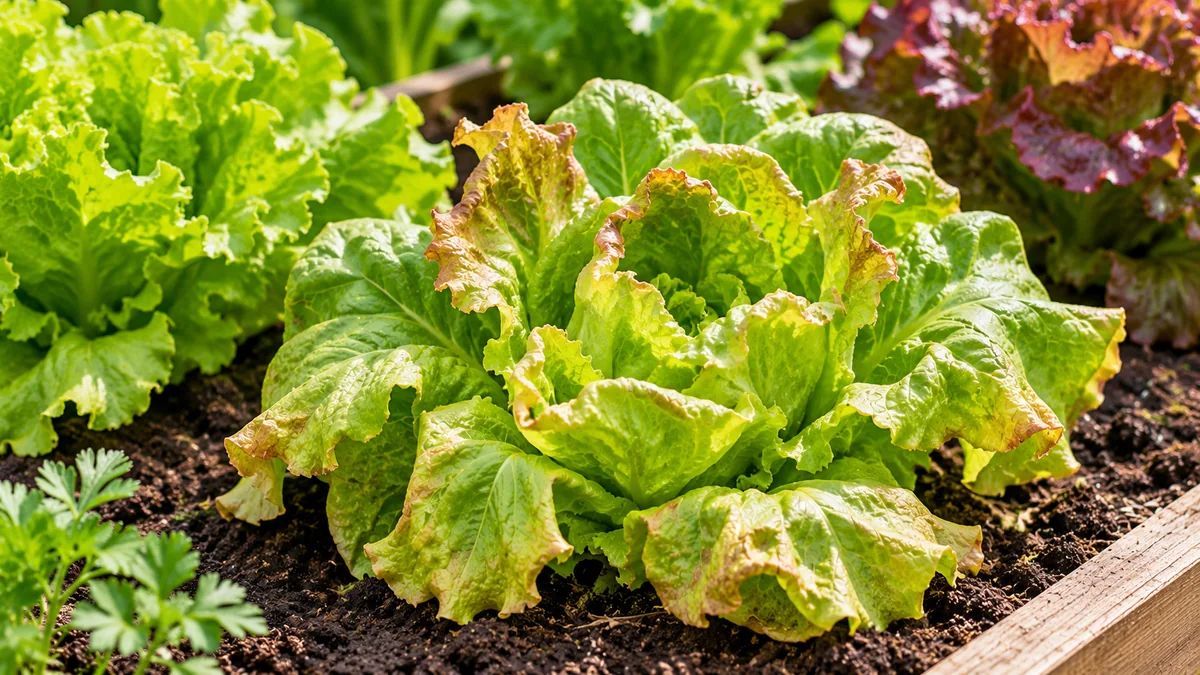
Freshly harvested garden lettuce should have a pleasant flavor that suits its variety, whether that means mild, sweet, crisp, buttery, or slightly peppery. But sometimes lettuce that looked healthy a few weeks ago suddenly develops an unpleasant bitter taste.
If your homegrown lettuce has become bitter, the problem is often related to growing conditions rather than anything you did during harvesting. Lettuce is a cool-season vegetable, and high temperatures, dry soil, aging plants, and the beginning of flowering can all affect leaf quality.
One of the most important causes is bolting. This happens when a lettuce plant shifts from producing leaves to developing a tall flowering stem. As the plant enters this stage, the leaves often become tougher and much more bitter.
However, not every bitter leaf means the plant has bolted. Some lettuce varieties naturally have stronger flavors, and plants exposed to heat or water stress can develop bitterness before a flower stalk becomes visible. During a hot spell, use shade and check moisture to reduce stress on lettuce.
The good news is that many causes of bitter lettuce are preventable. Choosing a suitable variety, planting during cooler weather, maintaining consistent soil moisture, providing appropriate shade, and harvesting before plants become overmature can help improve future crops.
In this guide, you’ll learn why lettuce leaves turn bitter, how to identify bolting and other contributing factors, whether bitter lettuce can still be eaten, and what to do when a crop has already lost its desirable flavor. You’ll also discover practical ways to grow tender, better-tasting lettuce in garden beds, raised beds, and containers.
Quick Answer: Why Are My Lettuce Leaves Turning Bitter?
Lettuce leaves most commonly become bitter because of hot weather, water stress, plant maturity, or bolting. Some varieties also have a naturally stronger flavor because of differences in their genetic makeup.
When temperatures rise and days become longer, lettuce may begin shifting from leaf production toward flowering. This process, known as bolting, often causes a pronounced increase in bitterness.
For many lettuce varieties, consistently mild growing conditions are best. University of Minnesota Extension describes cool conditions around 10–20°C (50–68°F) as favorable, although optimal temperatures vary with the cultivar and growing stage.
Periods of higher temperatures, particularly when combined with dry soil, increase the risk of poor leaf quality and premature flowering.
To reduce bitterness in future harvests:
- Grow lettuce during cooler weather. Choose locally suitable spring, autumn, or other mild growing periods.
- Harvest before bolting. Do not leave mature lettuce indefinitely in the garden.
- Maintain suitable soil moisture. Avoid prolonged drought stress and waterlogged roots.
- Provide light shade during excessive heat. Gentle afternoon protection can reduce heat stress.
- Choose slow-bolting varieties. Look for cultivars recommended for warmer growing conditions.
- Harvest young, tender leaves. Many loose-leaf lettuces can be picked before reaching full maturity.
- Sow small batches regularly. Succession planting provides replacements before older crops become overmature.
- Use suitable growing media. Healthy roots and adequate moisture support steady growth.
If your lettuce has already formed a tall flowering stem and tastes extremely bitter, the flavor usually cannot be restored to that of a young, mild plant. Replacing the crop is often the most practical option.
Gardening Tip: Check the center of a bitter lettuce plant. If the central stem is stretching upward, the leaves are becoming more widely spaced, or flower buds are developing, bolting is likely underway. Harvest any still-acceptable leaves promptly and plan a new sowing for more favorable weather.
Is Some Bitterness Normal in Lettuce?
Yes. Lettuce naturally contains compounds that contribute to its characteristic flavor, including certain bitter-tasting plant chemicals.
The amount and balance of these compounds vary between lettuce types and individual cultivars.
That means a lettuce variety with a slightly pronounced flavor is not necessarily experiencing a growing problem.
What Makes Lettuce Taste Bitter?
Research has identified a group of naturally occurring compounds called sesquiterpene lactones as important contributors to lettuce bitterness.
These compounds include lactucin, lactucopicrin, and related substances.
Different cultivars contain different concentrations and combinations of these compounds. The balance between bitter substances and naturally occurring sugars also influences how the lettuce tastes.
This is one reason two lettuce varieties grown under the same conditions can have noticeably different flavors.
Why Is There White Milky Sap in Lettuce?
When you cut a lettuce stem or the thick central rib of a leaf, you may notice a small amount of milky fluid.
This fluid is called latex and is a natural feature of lettuce plants.
Some of the compounds associated with lettuce bitterness occur in this latex.
Seeing a small amount of milky sap at a fresh cut does not, by itself, mean the plant is diseased or that the lettuce has spoiled.
However, unusually bitter leaves accompanied by severe discoloration, distorted growth, or other abnormal symptoms deserve closer inspection.
Mild Bitterness vs. Unpleasant Bitterness
Some lettuces have a pleasant, slightly bitter edge that contributes to their flavor.
But when a previously mild crop suddenly becomes sharply bitter, tough, or unpleasant to eat, environmental stress or advancing maturity may be responsible.
The timing of the flavor change, weather conditions, and appearance of the plant can help identify the cause.
5 Main Reasons Lettuce Leaves Become Bitter
Several factors can influence lettuce flavor, and more than one may affect the same planting.
1. Hot Weather
Lettuce is naturally better suited to cooler growing conditions than vegetables such as tomatoes and peppers.
When temperatures remain high, lettuce can develop a stronger, less desirable flavor.
Hot weather also increases the likelihood of bolting, especially when plants are approaching maturity.
2. Bolting or Beginning to Flower
Bolting is the transition from producing edible leaves toward growing a flowering stem and eventually seeds.
During this transition, the plant’s growth pattern changes, and the leaves often become increasingly bitter and less tender.
Once bolting is well underway, the problem is usually not reversible.
3. Inconsistent Watering or Drought Stress
Lettuce has a relatively shallow root system and needs an appropriate supply of moisture during active growth.
If soil repeatedly becomes excessively dry, growth may slow and leaves may become tougher or more bitter.
Hot weather and dry soil together can be particularly stressful.
4. Overmaturity
Lettuce is usually harvested for tender, actively growing leaves.
As a plant ages, its leaves may become coarser, and the risk of bolting increases.
Waiting too long to harvest can therefore reduce flavor quality even when the plant has not developed visible flowers.
5. Lettuce Variety and Genetic Differences
Some lettuce cultivars are naturally milder, while others contain higher concentrations of compounds that contribute to bitterness.
Different varieties also vary in their tolerance of warmth and resistance to bolting.
Choosing a cultivar suited to your climate can help reduce bitterness, although no variety remains permanently resistant to flowering.
How Does Hot Weather Make Lettuce Leaves Bitter?
High temperature is one of the strongest environmental factors associated with bitter lettuce.
Lettuce generally produces tender leaves more reliably under mild growing conditions.
As temperatures increase, growth, water demand, and the timing of the plant’s reproductive development can change.
What Temperature Is Too Hot for Lettuce?
There is no single temperature at which every lettuce plant suddenly becomes bitter.
University of Minnesota Extension notes that several days above approximately 24°C (75°F) can encourage lettuce to develop a flowering stem.
However, the response depends on cultivar, plant maturity, day length, soil moisture, and the duration of the heat.
Some varieties tolerate warm conditions better than others, but prolonged high temperatures still make high-quality lettuce production more difficult.
Hot Days and Long Daylight Hours
In many temperate climates, warmer temperatures occur alongside longer daylight hours.
These conditions can encourage lettuce to transition toward flowering.
As the plant begins preparing to produce seeds, leaf quality often deteriorates.
Shade can reduce some heat stress, but it does not completely remove the effects of long days or natural plant maturity.
Can Too Much Direct Sun Make Lettuce Bitter?
Direct sunlight is important for photosynthesis, and lettuce can grow well in full sun during cool weather.
However, intense afternoon sunlight during hot weather can increase leaf and soil temperatures and contribute to water stress.
In hot growing periods, a position that receives morning sun and some afternoon shade may provide better conditions than a fully exposed location.
Do not move lettuce into deep shade where inadequate light causes weak, slow growth.
What Should You Do During a Heatwave?
If your lettuce is still growing well and has not bolted, you can try to reduce additional stress.
- Check soil moisture frequently and water when needed.
- Provide suitable afternoon shade if the location is excessively hot.
- Use mulch to reduce evaporation from exposed garden soil.
- Harvest mature leaves before quality declines further.
- Move portable containers to a cooler, bright location when practical.
- Avoid unnecessary transplanting or root disturbance during severe heat.
- Consider delaying the next sowing until temperatures become more favorable.
These measures may help reduce further stress, but they cannot guarantee that already bitter leaves will regain a mild flavor.
How to Tell if Your Lettuce Is Bolting
Bolting is a natural stage in the lettuce life cycle.
Lettuce plants initially focus on leaf production. Eventually, they transition toward flowering and seed formation.
When this happens earlier than desired, gardeners describe it as premature bolting.
Early Signs of Lettuce Bolting
- The central stem begins growing taller.
- The plant changes from a low, compact shape to a more upright form.
- Leaves become spaced farther apart along the center.
- New leaves may become smaller or different in shape.
- The flavor becomes noticeably stronger or more bitter.
- A flower stalk or developing flower buds eventually appear.
Flavor changes can begin before flowers become visible, so gardeners should not wait for an obvious flower head before harvesting a mature crop.
Why Bolting Changes Lettuce Flavor
During reproductive development, the plant shifts resources away from producing the tender leaves gardeners normally harvest.
Levels of bitter-tasting compounds can also change as lettuce progresses toward flowering.
The result is often tough, coarse foliage with a sharply bitter taste.
Can You Stop Bolting by Cutting Off the Flower Stalk?
Removing an emerging flower stalk may delay visible flowering in some situations, but it does not reliably reverse the plant’s underlying transition toward reproduction.
Once lettuce has become strongly bitter because of bolting, removing the stalk is unlikely to restore the flavor of younger leaves.
For most home gardeners, replacing the plant is more reliable than repeatedly cutting away its flowering growth.
Should You Let a Bolted Lettuce Plant Flower?
If you no longer want the leaves, you can remove the plant and use the space for another crop.
Alternatively, gardeners interested in seed saving may allow a healthy open-pollinated lettuce plant to flower and produce seeds.
However, plants with suspected disease should not be retained simply for seed production.
Seed saved from hybrid varieties may not produce plants identical to the original crop.
Good to Know: Bolting is not the same as a plant suddenly becoming diseased. It is part of the natural lettuce life cycle. The problem for gardeners is that the leaves usually lose their desirable tenderness and flavor as the plant prepares to flower.
Can Insufficient Water Make Lettuce Bitter?
Yes. Water stress can contribute to bitter lettuce, especially when it occurs alongside hot weather.
Lettuce plants have relatively shallow roots and grow quickly when conditions are favorable.
They need enough moisture to maintain healthy leaf development.
What Happens When Lettuce Soil Becomes Too Dry?
As the soil dries, roots may struggle to supply sufficient water to the leaves.
Plants can reduce growth, wilt, or produce lower-quality foliage.
Repeated drought stress can contribute to tougher leaves and increased bitterness.
Dry conditions can also intensify the effects of high temperatures.
How Moist Should Lettuce Soil Be?
During active growth, lettuce generally benefits from consistently available moisture in the root zone.
However, moist soil is not the same as continuously saturated soil.
Roots still need oxygen, and persistently waterlogged conditions can interfere with normal plant growth.
Check soil moisture a few centimeters below the surface and farther into the active root zone when necessary.
If the root zone is becoming dry, water gently and sufficiently to replenish the moisture the crop needs.
Can Watering Remove Existing Bitterness?
Correcting drought stress may improve the growing conditions of lettuce that has not yet bolted.
However, watering does not reliably remove bitter compounds from leaves that have already developed an unpleasant flavor.
If the plant is mature, severely stressed, or beginning to flower, it may be better to harvest usable leaves and start a new crop.
Does Lettuce Become More Bitter as It Gets Older?
Often, yes. Lettuce can become more bitter as it matures, particularly when growing conditions are no longer favorable.
The effect varies by cultivar and is especially noticeable when plants begin bolting.
Young Lettuce Leaves
Young leaves are often tender and pleasant to eat.
Many loose-leaf varieties can be harvested at the baby-leaf stage, before plants become large or begin forming a flowering stem.
Harvesting some leaves early also allows gardeners to make productive use of the crop before hot weather causes problems.
Overmature Lettuce Heads
Heading lettuces such as romaine, butterhead, and crisphead types have recommended harvest stages.
Leaving a mature head in the garden too long increases the chance that it will begin bolting or develop tougher leaves.
Harvest once the head reaches the size and structure appropriate for the variety rather than waiting indefinitely for further growth.
Can You Harvest Lettuce More Than Once?
Many loose-leaf types are well suited to repeated harvesting.
You can collect suitable outer leaves while leaving enough healthy foliage and the growing point for continued growth.
Another approach is to cut baby salad leaves above the growing base where the crop and growing method support regrowth.
However, regrowth becomes less reliable when the plant is heat-stressed, mature, or already bolting.
Which Lettuce Varieties Are Less Likely to Taste Bitter?
Variety selection is important because lettuce types differ in natural flavor, leaf texture, time to maturity, and tolerance of warm growing conditions.
However, descriptions such as mild, sweet, heat-tolerant, or slow-bolting are not guarantees. Actual performance depends on the cultivar and local environment.
Loose-Leaf Lettuce
Loose-leaf lettuce is a practical choice for beginners because it generally grows quickly and can be harvested gradually.
Many green and red leaf cultivars have pleasant, relatively mild flavors when harvested young under suitable conditions.
Some oak-leaf cultivars are also selected for improved tolerance of warm conditions or delayed bolting.
Check the exact variety description rather than assuming all loose-leaf or oak-leaf lettuces behave identically.
Butterhead Lettuce
Butterhead types, including Bibb and Boston lettuce, are valued for tender leaves and a soft texture.
Many have a pleasantly mild flavor when grown under cool conditions.
However, butterhead lettuce can become bitter in hot summer weather, so choose planting dates carefully.
Romaine or Cos Lettuce
Romaine lettuce produces upright leaves with a crisp central rib.
Flavor varies between cultivars, and some have a stronger taste than particularly mild butterhead varieties.
Romaine can still become unpleasantly bitter when overmature or exposed to unfavorable growing conditions.
Crisphead Lettuce
Crisphead types, including iceberg-style lettuce, form firm heads under suitable growing conditions.
These varieties may be appealing to gardeners who prefer mild, crisp leaves.
However, forming a high-quality dense head can be challenging when temperatures become unsuitable or water is inconsistent.
Slow-Bolting and Heat-Tolerant Cultivars
When shopping for seeds, look for descriptions such as:
- Slow bolting.
- Heat tolerant.
- Suitable for summer growing.
- Slow to flower.
- Adapted to warm-season production.
These traits can help extend the harvest window, but even slow-bolting cultivars will eventually flower if left long enough or grown under sufficiently stressful conditions.
Lettuce Types and Flavor Comparison
| Lettuce type | Typical characteristics | Bitterness considerations | Practical advice |
|---|---|---|---|
| Loose-leaf | Open growth, suitable for leaf-by-leaf harvesting | Often pleasant when young; flavor varies by cultivar | Harvest regularly and select slow-bolting varieties where needed |
| Oak-leaf | Lobed leaves, often a loose-leaf growth habit | Some cultivars have useful warm-weather tolerance | Check cultivar-specific claims rather than relying on leaf shape |
| Butterhead | Soft, tender leaves forming loose heads | Often mild in cool conditions; can become bitter with heat | Grow during suitable mild weather |
| Romaine or cos | Upright, crisp leaves and central ribs | Flavor varies; bolting and overmaturity reduce quality | Harvest when heads reach the recommended stage |
| Crisphead | Firm, compact heads | Often mild when grown successfully; sensitive to unsuitable conditions | Provide adequate space, moisture, and suitable temperatures |
| Heat-tolerant cultivars | Selected for improved performance in warmer conditions | May delay bolting but cannot prevent it indefinitely | Combine cultivar choice with seasonal planting and moisture management |
Can Fertilizer Problems, Root Stress, or Diseases Make Lettuce Bitter?
Heat, water stress, aging, and bolting are the main explanations for bitter lettuce, but other growing problems can also affect plant health and sometimes flavor.
Nutrient Problems
Lettuce needs an appropriate supply of nutrients to produce healthy leaves.
Insufficient nutrition may cause slow growth or changes in leaf appearance, while excessive fertilizer can damage roots or contribute to salt stress.
However, bitter taste alone is not a reliable sign of nitrogen deficiency or another specific nutrient problem.
Do not automatically apply more fertilizer simply because lettuce tastes bitter.
Review temperature, moisture, and plant maturity first.
Overcrowding and Root Competition
Overcrowded lettuce plants compete for moisture, nutrients, sunlight, and space.
This can restrict development and increase stress, especially when growing conditions are already difficult.
Thin seedlings and follow mature spacing appropriate for the type of lettuce and intended harvest stage.
Poor Drainage
Although drought is a common concern, lettuce can also suffer when roots remain saturated for prolonged periods.
Poor drainage restricts oxygen around roots and can contribute to yellow leaves, wilting, and slow growth.
These symptoms should be investigated separately rather than assuming all poor-quality lettuce is bitter because of overwatering.
Disease-Related Changes
Certain lettuce diseases can cause abnormal growth and changes in leaf quality.
For example, University of Minnesota Extension notes that aster yellows can be associated with bitter lettuce, stunted development, unusual yellowing, and distorted leaves.
However, this does not mean that every bitter lettuce plant has a disease.
If bitterness occurs alongside severe distortion, unusual discoloration, or unexplained decline, investigate the symptoms and seek an appropriate diagnosis before using the leaves.
Bitter Lettuce Diagnosis Chart: Symptoms, Causes, and Solutions
Use this table to narrow down possible causes when lettuce develops an undesirable taste.
| What you notice | Likely explanation | Recommended action |
|---|---|---|
| Lettuce becomes bitter after several hot days | Heat stress or the beginning of bolting | Harvest acceptable leaves, reduce further heat stress, and plan a cooler-season sowing |
| The central stem grows taller | Bolting | Harvest any usable foliage promptly; replace severely bitter plants |
| Flowers or buds appear | Advanced reproductive growth | Remove the plant for replacement or retain a healthy plant for seed saving |
| Soil becomes repeatedly dry and leaves wilt | Drought stress | Restore appropriate root-zone moisture and prevent repeated drying |
| Large, mature leaves taste stronger than young leaves | Advancing maturity | Harvest earlier and use succession sowing |
| One lettuce variety is consistently more bitter than another | Natural cultivar differences | Choose a milder cultivar suited to your preferences and climate |
| Lettuce in a small outdoor pot becomes bitter during heat | Rapid drying, high root-zone temperature, or bolting | Check moisture frequently and provide suitable afternoon protection |
| Leaves turn yellow while soil remains saturated | Possible root stress or drainage problems | Check drainage, moisture, and root condition |
| Leaves are bitter and severely distorted or stunted | Possible disease or other major stress | Investigate symptoms and obtain a reliable diagnosis |
| Harvested lettuce becomes unpleasant after poor storage | Possible quality deterioration or spoilage | Check freshness and food safety; discard rotten produce |
Can You Fix Lettuce That Already Tastes Bitter?
Whether bitter lettuce can still be used depends on how severe the flavor has become and what caused it.
In some cases, mild bitterness may be acceptable as part of a salad or cooked dish. In others, the leaves may be too strong or tough to enjoy.
If the Lettuce Has Not Bolted Yet
If the plant is still compact and has not developed a flowering stem, correct any obvious stress that can be managed.
- Check soil moisture and water appropriately.
- Provide light afternoon shade if the weather is excessively hot.
- Harvest mature leaves before further decline.
- Check whether the plant is already approaching its usual harvest stage.
- Consider replacing stressed plants if their flavor remains unpleasant.
These steps may improve growing conditions for continued development, but they do not reliably make existing bitter leaves sweet again.
If the Lettuce Has Already Bolted
Once a lettuce plant has developed a prominent flowering stem and the leaves are strongly bitter, returning it to normal leaf production is unlikely.
Harvest any leaves that are still of acceptable quality, or remove the plant and prepare the growing space for another crop.
If the weather remains too hot for lettuce, delay replanting until conditions become more suitable.
Can Soaking Lettuce in Cold Water Remove Bitterness?
Cold water can make limp lettuce leaves feel crisper temporarily.
However, soaking is not a reliable method for removing the natural bitter compounds already present in the leaves.
Do not expect an ice-water bath to reverse bitterness caused by advanced bolting.
Can You Cook Bitter Lettuce?
Some lettuce can be lightly cooked or added to suitable dishes when its bitterness is mild and the leaves are otherwise sound.
Cooking or combining lettuce with other ingredients may make a stronger flavor more acceptable, but it does not guarantee that the bitterness will disappear.
Very bitter or tough bolted lettuce may simply be unpleasant to eat.
Only use leaves that are fresh and suitable for consumption. Do not try to disguise signs of spoilage with cooking or dressing.
Is Bitter Lettuce Safe to Eat?
Bitterness alone does not establish that lettuce is unsafe, because lettuce naturally contains bitter-tasting compounds.
However, taste cannot confirm food safety either.
Do not use lettuce that is rotten, slimy, visibly moldy, contaminated, or showing signs that raise concerns about its suitability for consumption.
Wash sound homegrown lettuce thoroughly under running water before eating, using clean hands and utensils.
Do not wash leafy vegetables with soap, household detergent, or bleach.
If a plant is severely distorted or appears diseased, seek an appropriate diagnosis rather than relying on bitterness to determine whether the leaves are safe.
Important Caution: Bitterness is a flavor symptom, not a food-safety test. Do not eat lettuce showing rot, mold, slime, unexplained contamination, or concerning disease symptoms. Wash suitable leaves under clean running water before use, and discard produce that appears rotten.
How to Prevent Bitter Lettuce: Step-by-Step Growing Guide
Preventing bitterness is generally more effective than trying to change the flavor of an already stressed or bolting plant.
Follow these steps to improve lettuce quality in future plantings.
- Step 1 — Choose the right season. Plan lettuce for a period with temperatures suited to this cool-season crop.
- Step 2 — Select an appropriate cultivar. Choose varieties with desirable flavor and suitable bolting resistance for your climate.
- Step 3 — Prepare healthy soil. Use fertile, well-structured soil or quality container potting mix with suitable drainage.
- Step 4 — Choose the growing location. Provide sufficient light while avoiding unnecessary exposure to extreme afternoon heat.
- Step 5 — Sow at a suitable time. Avoid planting heat-sensitive varieties when prolonged high temperatures are expected.
- Step 6 — Follow correct spacing. Thin seedlings to allow healthy growth and reduce root competition.
- Step 7 — Monitor moisture. Check the root zone rather than watering according to a fixed schedule alone.
- Step 8 — Prevent severe drying. Water appropriately during dry periods, especially when plants are actively producing leaves.
- Step 9 — Use suitable mulch. Reduce unnecessary evaporation while keeping mulch away from sensitive crowns.
- Step 10 — Provide heat protection when needed. Consider light afternoon shade during hot growing periods.
- Step 11 — Watch for bolting. Inspect the central growing point for stem elongation and changes in leaf formation.
- Step 12 — Harvest at the right stage. Pick tender leaves or mature heads before the plant begins flowering.
- Step 13 — Sow replacement crops. Use succession planting rather than relying on one group of aging lettuce plants.
- Step 14 — Adapt to local climate. In very hot regions, prioritize the coolest suitable part of the year.
Why Succession Sowing Helps
Succession sowing means planting smaller batches of lettuce at intervals rather than sowing the entire crop at once.
For example, during a suitable cool growing period, you might sow a small batch and plant another approximately two to three weeks later.
This creates overlapping harvest windows so that younger plants can replace older ones.
However, repeated sowing during extreme heat may simply produce several stressed crops. Pause planting if conditions are unsuitable.
Choose Planting Dates Based on Your Climate
In temperate regions, lettuce is commonly grown during spring and autumn.
In warmer climates, the mildest winter or cool-season months may offer better lettuce-growing conditions.
In regions with mild summers, lettuce may also grow successfully during much of the warmer season with appropriate variety selection and care.
Use local climate information and seasonal forecasts rather than assuming that the same calendar dates work everywhere.
Watering, Shade, and Soil Management for Better-Tasting Lettuce
Good soil and moisture management help lettuce develop steadily without unnecessary stress.
Maintain Consistent Root-Zone Moisture
Check the soil beneath the surface and water when the active root zone is becoming too dry.
Lettuce has relatively shallow roots, so the upper growing area often needs closer monitoring than the soil around deep-rooted established shrubs.
However, continuously saturated soil can also damage roots.
Aim for appropriate moisture without repeated severe drying or prolonged waterlogging.
Is Morning Watering Better?
Early morning is generally a practical time to irrigate a vegetable garden.
Temperatures are often lower, and plants can absorb water before the hottest part of the day.
Where possible, direct irrigation toward the soil to avoid unnecessary prolonged leaf wetness.
However, if lettuce is genuinely suffering from dry soil during the afternoon, supplying water is more important than delaying until the next morning.
Use Light Afternoon Shade
In hot climates, light shade during the strongest afternoon sunlight can help limit excessive heat exposure.
Suitable shade cloth or the natural shade of taller crops may be useful when positioned appropriately.
However, shade material must allow sufficient airflow and should be installed securely.
Do not enclose lettuce beneath an unventilated cover that traps additional heat.
Remember that shade can delay some heat-related problems but does not completely prevent natural bolting.
Mulch Around Established Lettuce
A suitable organic mulch can reduce moisture evaporation and help moderate soil temperatures.
Materials such as clean straw or shredded leaves may be useful around established plants.
Avoid burying the central growing point or young seedlings beneath thick mulch.
Check soil moisture underneath the mulch rather than judging the dryness of the covering material.
Avoid Excessive Fertilizer
Lettuce needs nutrients for healthy leaf growth, but excessive fertilizer is not a solution for heat-related bitterness.
Use appropriate soil preparation and feed according to actual growing needs.
If the soil already contains sufficient nutrients, adding more fertilizer may create unnecessary salt stress or other imbalances.
How to Prevent Bitter Lettuce in Pots and Containers
Lettuce is well suited to container gardening, but pots can experience rapid temperature and moisture changes.
These conditions are especially important for a cool-season vegetable that is sensitive to heat and water stress.
Choose a Suitable Container
Wide planters are useful for loose-leaf lettuce, while heading types need enough spacing and root volume to develop normally.
Use containers with functional drainage holes and a growing depth appropriate for the chosen plants.
Very small pots may dry quickly, especially when exposed to strong sunlight or wind.
Use Quality Potting Mix
Choose a lightweight container growing medium that retains useful moisture while allowing adequate drainage and aeration.
Ordinary dense garden soil may compact inside pots and create unfavorable root conditions.
Avoid adding gravel layers as a substitute for suitable growing media.
Protect Pots From Excessive Heat
Containers positioned against reflective walls or hot paving may become warmer than nearby garden soil.
Dark containers may also absorb substantial solar radiation.
Where practical, use suitable placement and protection to prevent excessive afternoon heat.
Keep lettuce in a bright growing location and do not remove necessary light entirely.
Check Moisture More Frequently
Container-grown lettuce may need closer moisture monitoring than plants growing in a large garden bed.
Check the growing medium beneath the surface and water appropriately when it begins drying beyond the plant’s needs.
Do not leave ordinary lettuce pots standing in accumulated water for extended periods.
Choose Loose-Leaf Varieties for Frequent Harvesting
Loose-leaf lettuces are especially convenient for small-space gardens because they can often be harvested progressively.
By collecting tender leaves regularly, you may reduce the chance of leaving an entire crop to become overmature at once.
However, replace plants when their leaves become strongly bitter or they begin bolting.
When to Harvest Lettuce for the Best Flavor
Harvest timing is one of the simplest ways to avoid letting lettuce become bitter and overmature.
Harvest Leaf Lettuce While Tender
Many loose-leaf varieties can be harvested once their leaves reach a useful size.
Collect suitable outer leaves or use an appropriate cut-and-come-again method.
Keep enough healthy leaves and growing tissue on the plant for continued development.
Do not wait until leaves become tough or the plant begins producing a tall central stem.
Harvest Heading Lettuce at Maturity
Romaine, butterhead, and crisphead lettuce should be harvested when they reach the appropriate stage for the cultivar.
Check the seed packet for expected maturity and head characteristics.
Do not assume a larger head will always have better flavor.
Should You Harvest Lettuce in the Morning?
Harvesting during a cooler part of the day can help reduce wilting and preserve crispness.
Morning is often convenient, especially during warm weather.
However, harvesting in the morning does not reliably remove bitterness that developed because of heat, maturity, or bolting.
Plant age and growing conditions remain more important than choosing a particular hour to reverse a bitter flavor.
How to Store Homegrown Lettuce
Freshly harvested lettuce is highly perishable and should be cooled promptly when it will not be eaten immediately.
Remove obviously damaged or decayed leaves and handle the remaining crop gently.
Wash lettuce under clean running water before eating. Use clean utensils, and prevent contact with raw meat or other possible sources of contamination.
Keep cut or washed lettuce refrigerated in a suitable clean container and avoid prolonged storage at room temperature.
Good storage can preserve quality and reduce spoilage, but it cannot reverse the flavor changes of advanced bolting.
10 Common Mistakes That Can Lead to Bitter Lettuce
1. Planting Lettuce During Extreme Heat
High temperatures can reduce leaf quality and accelerate bolting.
Better approach: Grow lettuce during suitable cooler seasons and select appropriate varieties.
2. Harvesting Too Late
Waiting beyond the ideal harvest stage can increase the risk of tough and bitter leaves.
Better approach: Harvest leaf lettuce regularly and collect heading types when mature.
3. Ignoring the First Signs of Bolting
The central stem may begin elongating before visible flowers appear.
Better approach: Check plant centers and harvest usable leaves before quality declines further.
4. Allowing Soil to Dry Repeatedly
Frequent drought stress can contribute to tougher leaves and bitterness.
Better approach: Monitor root-zone moisture and water according to plant needs.
5. Growing Lettuce in Unnecessarily Hot Containers
Exposed pots can heat up and dry quickly during warm weather.
Better approach: Choose suitable containers, maintain moisture, and reduce excessive afternoon heat exposure.
6. Choosing Varieties Without Considering the Climate
Some lettuce cultivars bolt sooner than others in warm conditions.
Better approach: Select varieties recommended for local growing conditions and compare their flavor descriptions.
7. Overcrowding Plants
Crowded plants may compete for water and nutrients and develop poorly.
Better approach: Thin seedlings and provide suitable spacing for the intended harvest stage.
8. Assuming Fertilizer Will Remove Bitterness
Additional fertilizer does not reverse bolting or reliably reduce heat-related bitterness.
Better approach: Correct growing conditions and feed only when nutrient supply is insufficient.
9. Trying to Save Severely Bolted Plants Indefinitely
Cutting away a flowering stem usually does not restore the desirable flavor of a mature bolting plant.
Better approach: Replace plants when leaf quality has become unacceptable.
10. Ignoring Other Signs of Plant Problems
Unusual distortion, stunting, severe yellowing, or decay may indicate a problem beyond ordinary heat-related bitterness.
Better approach: Investigate plant health and avoid using produce that appears spoiled or contaminated.
Frequently Asked Questions About Bitter Lettuce
Why does my homegrown lettuce taste bitter?
Homegrown lettuce often becomes bitter because of high temperatures, drought stress, advancing maturity, or bolting. The variety also influences natural flavor. Check recent weather, soil moisture, and whether the center of the plant is developing a taller flowering stem.
Can too much sunlight make lettuce bitter?
Intense sunlight during hot weather can contribute to heat and moisture stress, which may affect flavor and encourage bolting. Lettuce still needs useful light, so provide suitable afternoon shade during extreme heat rather than growing plants in deep shade.
What temperature makes lettuce turn bitter?
There is no universal temperature threshold. Lettuce generally performs best in cooler conditions, and repeated days above approximately 24°C (75°F) can encourage bolting in susceptible plants. The response depends on variety, maturity, day length, and moisture.
What is bolting in lettuce?
Bolting occurs when lettuce begins producing a tall flowering stem instead of continuing normal leaf growth. The central stem elongates, leaves become spaced farther apart, and flowers eventually develop. The leaves often become tougher and significantly more bitter.
Can bitter lettuce become sweet again?
Correcting heat or water stress may improve growing conditions for plants that have not bolted, but existing bitter leaves do not reliably return to a mild flavor. Once a lettuce plant is strongly bitter because of advanced bolting, replacing it is usually the best option.
Is bitter lettuce poisonous or unsafe to eat?
Bitterness itself does not prove that ordinary cultivated lettuce is unsafe, because the plant naturally contains bitter compounds. However, taste is not a food-safety test. Discard lettuce that is rotten, visibly moldy, slimy, contaminated, or otherwise questionable.
Does watering lettuce make it less bitter?
Maintaining appropriate soil moisture can help prevent drought stress and support better leaf development. However, watering does not reliably remove bitterness from existing leaves or reverse bolting after the plant has entered its flowering stage.
Why does lettuce taste bitter even before flowering?
Heat stress, repeated dry conditions, normal cultivar differences, and advancing maturity can affect flavor before flowers become visible. In some cases, the internal transition toward bolting may already have begun, even though a flower stalk is not yet obvious.
Which lettuce varieties are less bitter?
Many butterhead and loose-leaf varieties have mild flavors when grown under suitable conditions. Some oak-leaf and other selected cultivars offer improved warm-weather tolerance or slow-bolting characteristics. Check seed descriptions because bitterness varies between individual varieties.
Why is lettuce more bitter in summer?
Hot weather and long daylight periods can encourage lettuce to bolt, while higher water demand increases the risk of drought stress. These conditions can make leaves tougher and more bitter. Grow suitable slow-bolting varieties, provide appropriate moisture and shade, or choose a cooler season.
Can I grow lettuce in containers without it turning bitter?
Yes. Container lettuce can produce mild, tender leaves when planted in suitable seasons and given adequate light, root space, drainage, and moisture. Avoid placing pots in excessive reflected heat, and harvest before plants become overmature or begin bolting.
Should I harvest lettuce in the morning to prevent bitterness?
Harvesting in the cool morning can help preserve crispness and reduce wilting, but it does not reliably remove bitterness that developed earlier. Choosing suitable growing conditions and harvesting before bolting are more effective ways to improve lettuce flavor.
Final Thoughts
If your lettuce leaves are becoming bitter, the most likely explanations are heat stress, insufficient moisture, advancing maturity, or bolting.
Lettuce is a cool-season crop, and its tender leaves generally develop best when temperatures remain suitable and the root zone receives adequate moisture.
Hot weather can accelerate flowering, while repeated drought stress can further reduce leaf quality. As lettuce becomes overmature or develops a central flowering stem, bitterness often becomes much more pronounced.
The best prevention strategy is to plant at the right time, choose suitable slow-bolting varieties, maintain consistent root-zone moisture, provide light shade during excessive heat, and harvest while the leaves are still tender.
For loose-leaf lettuce, regular harvesting and small succession sowings can provide a steady supply of younger leaves. For heading varieties, harvest at the appropriate stage rather than leaving mature plants in the garden indefinitely.
If a lettuce plant has already bolted and become extremely bitter, trying to reverse the problem is usually less effective than replacing it with a new crop when temperatures are suitable.
Remember that lettuce varieties naturally differ in flavor. Mild bitterness may be a normal characteristic, but a sudden change accompanied by heat, drought, or stem elongation offers useful clues about what has changed in the garden.
With the right planting season, variety, watering habits, and harvesting schedule, you can improve the chances of growing tender, pleasant-tasting lettuce for your home salads.
Explore more growing advice in Gardenivo’s Vegetable Gardening guides. You can also browse Soil & Watering for moisture management, Small-Space Gardening for growing lettuce in pots, and Seasonal Gardening for planning crops around local weather.
Further Reading and Horticultural References
- University of Minnesota Extension: Growing Lettuce, Endive and Radicchio in Home Gardens — cool growing conditions, heat-related bitterness, bolting, harvesting, and lettuce care.
- University of Minnesota Extension: Growing Cool-Season Crops — heat stress, water stress, plant age, and causes of bitterness.
- University of Maryland Extension: Growing Lettuce in a Home Garden — planting, variety selection, bolting, spacing, moisture management, and harvesting.
- Royal Horticultural Society: How to Grow Lettuce — sowing, planting, summer shade, watering, and avoiding bitter leaves during bolting.
- Royal Horticultural Society: How to Grow Salad Leaves — succession sowing, moisture management, shade, harvesting, and bolting.
- Royal Horticultural Society: Bolting in Vegetables — flowering responses, environmental triggers, and prevention measures.
- University of Minnesota Extension: Planting Vegetables in Midsummer for Fall Harvest — choosing cooler planting periods and using shade and suitable varieties.
- University of Minnesota Extension: Diagnosing Bitter Lettuce and Endive — high-temperature effects and distinguishing growing stress from other problems.
- Food Chemistry: Perception of Bitterness, Sweetness and Liking of Different Genotypes of Lettuce — research into the genetic and biochemical basis of lettuce flavor.
- U.S. Food and Drug Administration: Selecting and Serving Produce Safely — safe washing, handling, and discarding spoiled produce.