How to Start a Vegetable Garden for Beginners
Starting a vegetable garden can feel overwhelming when you are faced with seed packets, planting calendars, soil amendments, and dozens of possible crops. The good news is that you do not need a large backyard, expensive equipment, or years of experience to begin growing some of your own food.
A successful first garden starts with a manageable growing space, enough sunlight, suitable soil, and a few crops matched to your local climate. Learning how to care for those plants is far more useful than planting everything at once.
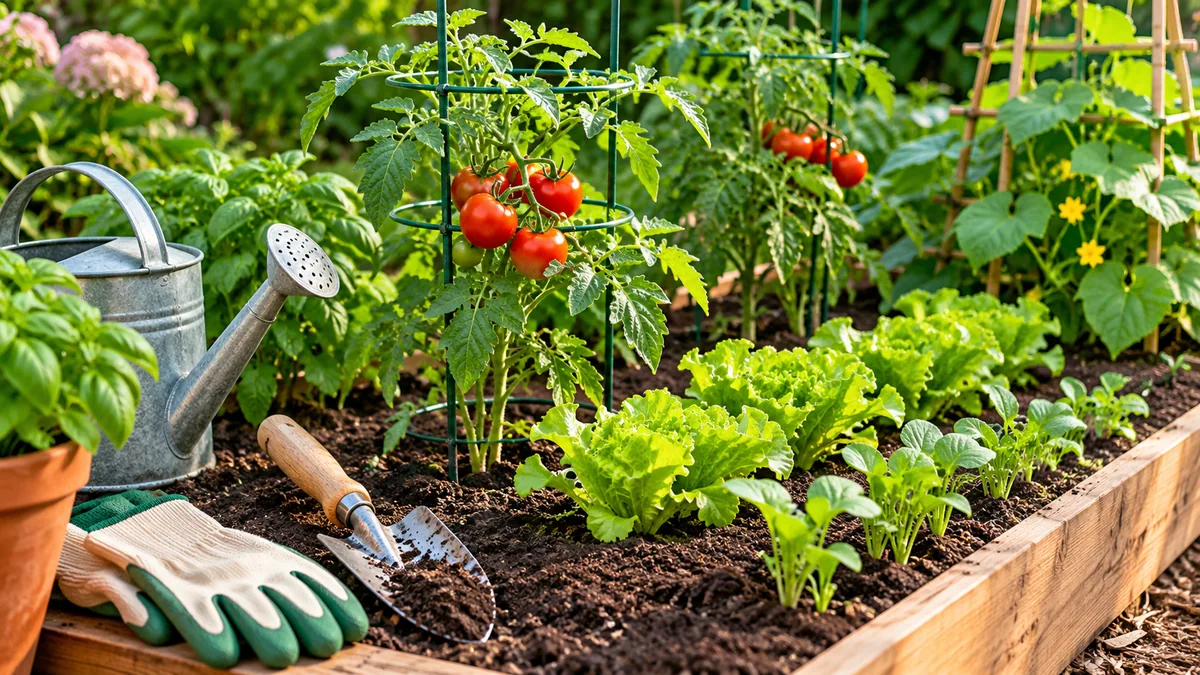
Whether you are preparing a small backyard bed, installing a raised bed, or starting with containers, this guide will walk you through the essential decisions from planning to harvest. If you choose a raised bed, plan its size, location, and soil before planting.
Step 1: Start With a Manageable Vegetable Garden
The most helpful advice for a first vegetable garden is simple: start small. A compact bed that you can water, weed, and inspect regularly often produces a better experience than a large planting area that becomes difficult to maintain.
A small in-ground plot, a single raised bed, or a handful of containers can provide a useful learning experience. Choose a scale that suits your time, mobility, access to water, and available space.
Begin with vegetables you already enjoy eating. There is little benefit in dedicating most of your garden to a crop your household rarely uses.
Gardening Tip: For your first growing season, choose three to five crops rather than a long list. You can learn their watering, spacing, and harvesting needs before expanding the garden.
Step 2: Choose a Location With Enough Sunlight
Most fruiting vegetables, including tomatoes, peppers, cucumbers, and many beans, grow best in locations receiving at least six hours of direct sunlight per day, often more when conditions allow.
Leafy vegetables such as lettuce and some greens can tolerate somewhat less direct sunlight, although growth and yields may be reduced in deep shade.
Observe the proposed garden area during the day. Nearby trees, buildings, fences, or balconies may cast more shade than expected. Sun exposure can also change between seasons.
Other useful features include convenient water access, protection from damaging wind, accessible walking paths, and reasonable separation from large competing tree roots.
If wildlife commonly damages gardens in your area, consider suitable barriers or fencing before planting.
Step 3: Decide Between In-Ground Beds, Raised Beds, and Containers
All three methods can work well. The best choice depends on available space, existing soil, access requirements, and the crops you want to grow.
| Garden type | Advantages | What to consider |
|---|---|---|
| In-ground garden | Uses existing soil and can be economical | Soil quality, drainage, weeds, and contamination history |
| Raised bed | Defines planting space and allows control of the growing medium | Construction materials, filling cost, soil depth, and irrigation |
| Containers | Useful for patios, balconies, and small spaces | Pot size, drainage, frequent moisture checks, and crop selection |
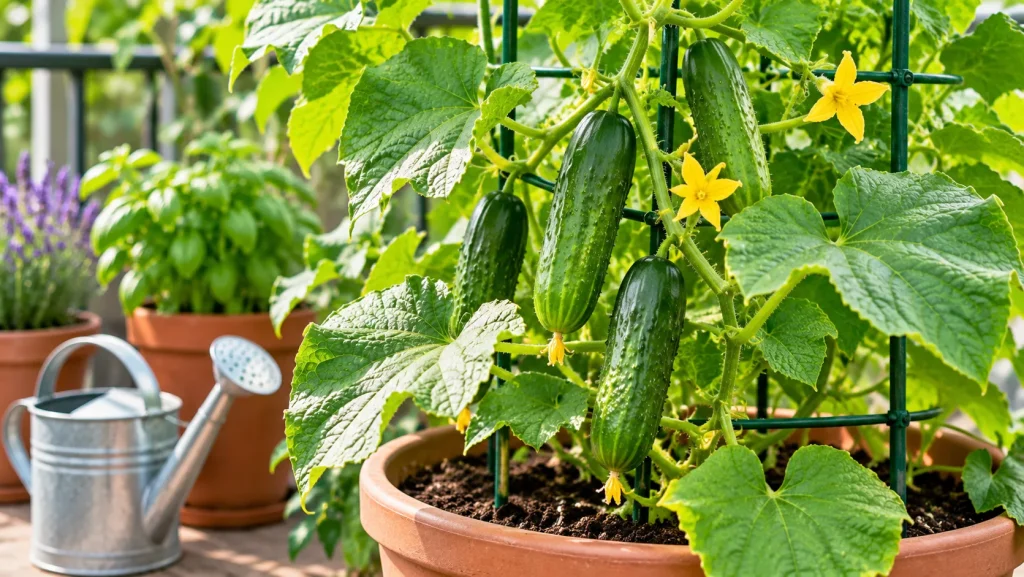
If you are growing vegetables in containers, use a suitable potting mix rather than dense garden soil. Select containers with drainage and enough root space for the crop.
Step 4: Prepare Healthy, Well-Drained Soil
Vegetable roots require water, oxygen, and nutrients. Good garden soil should hold useful moisture without remaining waterlogged for long periods, and it should allow roots to grow without excessive resistance.
Before making major changes to an in-ground bed, consider a soil test through a reliable local laboratory or horticultural extension service. Testing can identify soil pH and nutrient levels, helping you avoid unnecessary fertilizer or amendments.
Where the history of a site suggests possible contamination, such as an older industrial use or nearby sources of pollution, investigate soil safety before producing food in that ground.
Adding Compost
Finished, appropriate compost can improve soil structure and provide organic matter. It is particularly useful for many garden soils, although the amount needed depends on existing soil conditions.
Avoid assuming more compost is always better. Excessive application of nutrient-rich amendments can create imbalances, so use soil test results and local recommendations when available.
Preparing the Planting Surface
Remove persistent weeds and unwanted vegetation before planting. Gently loosen compacted soil where necessary, but avoid working very wet ground because it can damage soil structure.
Keep pathways separate from planting beds so you do not repeatedly walk across the vegetable root zone.
Important Caution: Do not grow food crops directly in soil suspected of hazardous contamination without obtaining appropriate testing and guidance. A raised bed with clean growing material may reduce some risks, but safe construction and site assessment still matter.
Step 5: Choose Beginner-Friendly Vegetables
Good beginner crops are those suited to your climate, growing season, and available space. Some produce a quick harvest, while others need a longer warm season.
Leaf Lettuce and Other Salad Greens
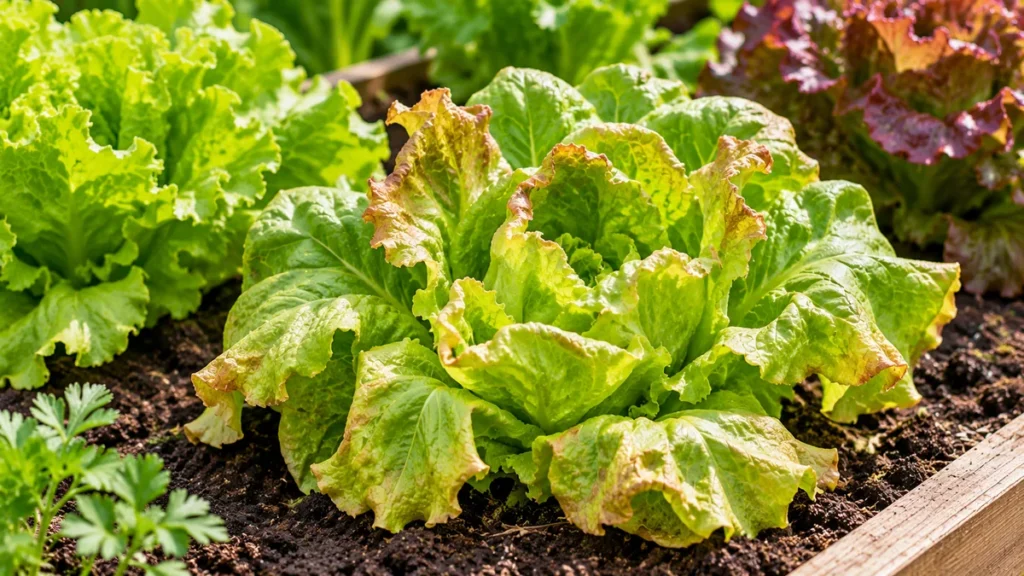
Leaf lettuce and several other greens can be useful first crops in cool growing weather. Their relatively short growing periods provide opportunities to practice sowing and harvesting without waiting all season.
Bush Beans
Bush beans can be started from seed directly in suitable warm soil. They usually need less structural support than climbing bean varieties, although they still require appropriate spacing and regular harvesting.
Radishes
Radishes are often grown for a relatively quick harvest during suitable cool weather. They are helpful for learning about direct sowing, thinning, and checking crops at the correct stage of maturity.
Tomatoes
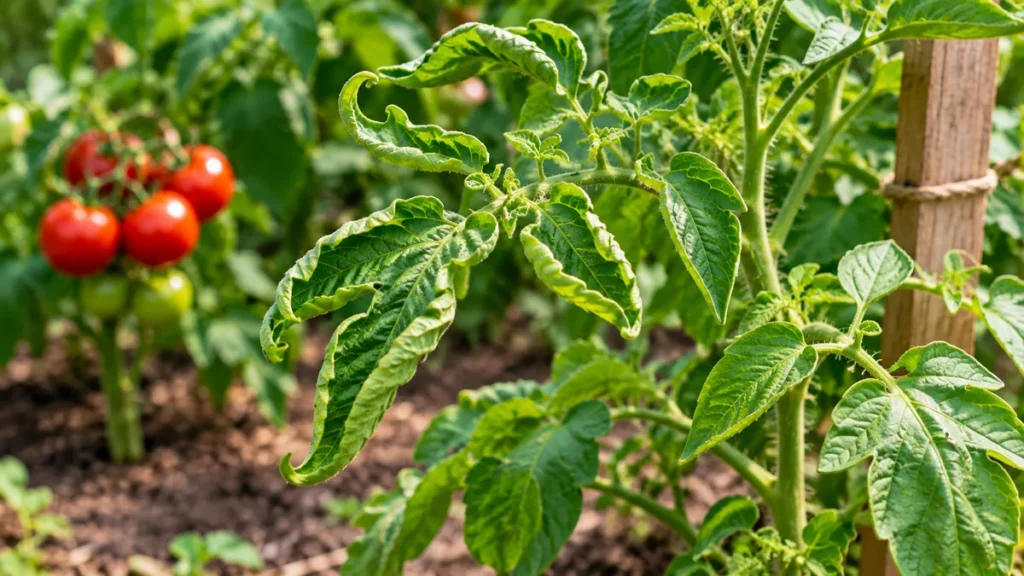
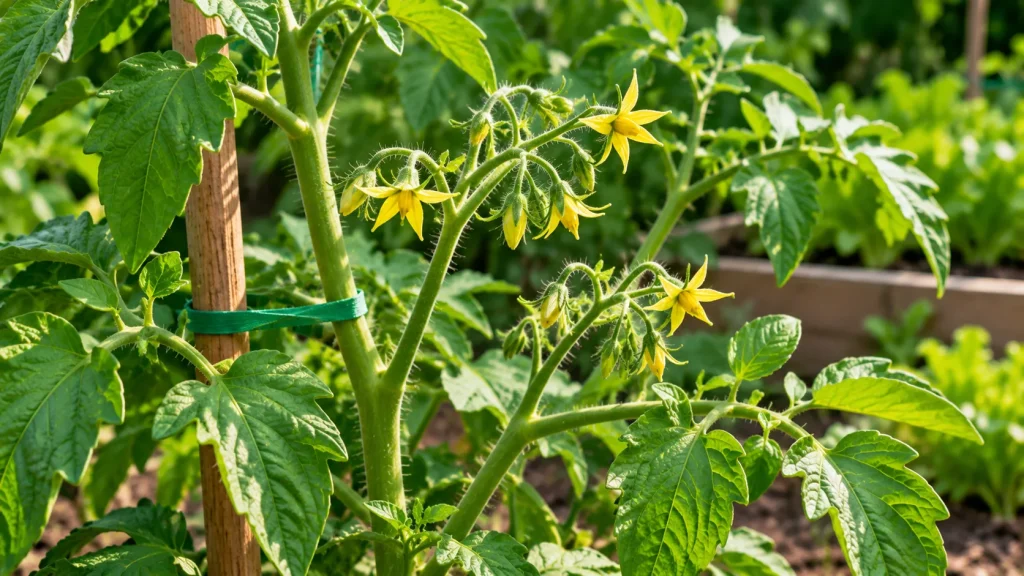
Tomatoes are rewarding but require more ongoing attention. Choose a variety appropriate for your climate and space, provide a suitable support system, and expect to monitor moisture, temperature, and developing fruit.
Buying healthy young plants can be easier than starting tomatoes from seed for a first season.
Peppers and Cucumbers
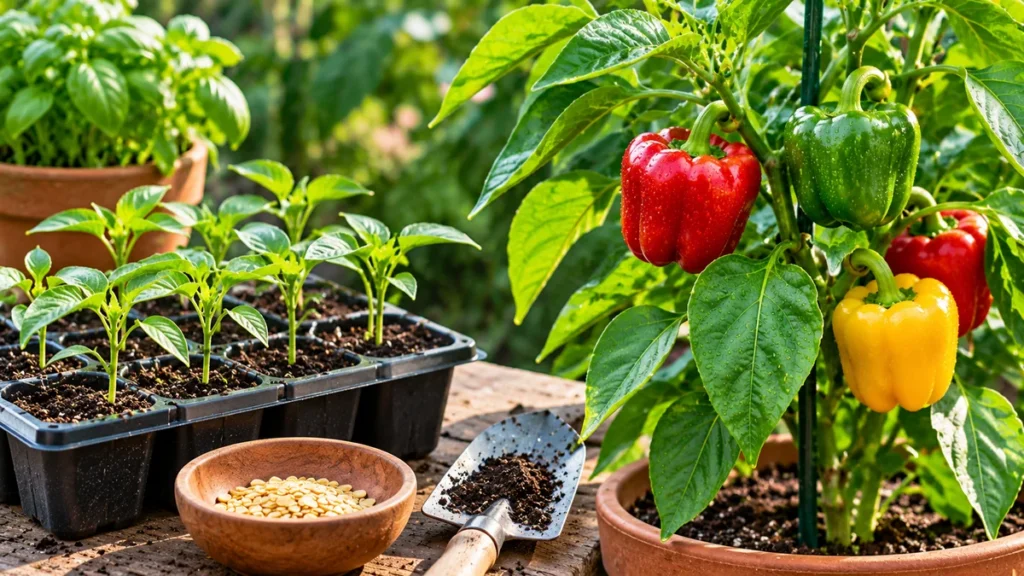
Peppers and cucumbers can be productive in suitable warm conditions. Peppers need adequate warmth and a long enough growing season. Cucumbers require space for vines or an appropriate support system, along with dependable watering during active growth.
Avoid growing all these vegetables at once if their combined care would become difficult. A few well-maintained crops offer a better foundation.
Step 6: Plan Around Your Local Growing Season
Planting dates are not the same everywhere. A vegetable suitable for spring in one region may need to be grown in winter or autumn in another. Altitude, coastal influence, seasonal rainfall, and local temperature patterns all affect the calendar.
Start by learning your typical last spring frost date, first autumn frost date where relevant, and the temperatures your chosen crops require. For regions without frost, focus on seasonal heat, rainfall, and other climate limitations.
Cool-Season Crops
Crops such as lettuce, spinach, peas, and radishes often perform best during cooler growing periods. Extreme heat may slow establishment, reduce quality, or encourage some leafy crops to bolt.
Warm-Season Crops
Tomatoes, peppers, cucumbers, beans, and squash generally need suitable warm conditions. Planting them outdoors before the soil and weather are warm enough can lead to poor establishment or cold injury.
Good to Know: A planting calendar should be localized. Always check a reliable regional planting guide and the seed packet rather than copying month-by-month advice from a garden in a different climate.
Step 7: Decide Whether to Use Seeds or Young Plants
Some vegetables are straightforward to sow directly in prepared soil. Others are often started indoors or bought as young plants so they can make the most of the available growing season.
Beans and radishes are commonly direct-sown. Tomatoes and peppers are frequently transplanted, particularly where the warm growing season is limited. Always consider the crop’s specific needs.
When purchasing young plants, look for healthy foliage, an appropriate size, and a reasonably developed root system. Avoid plants showing severe pest damage, unusual distortion, or evidence of active disease.
Hardening Off Seedlings
Seedlings raised indoors or in a protected greenhouse need gradual acclimatization to outdoor light, wind, and temperature. This process is called hardening off.
Introduce plants to suitable outdoor conditions progressively over several days or longer as needed, avoiding abrupt exposure to strong sunlight, cold, or harsh wind.
Step 8: Plant Your First Vegetable Bed
- Sketch the layout. Mark where each crop will grow, including paths and support structures.
- Check spacing requirements. Use the seed packet or a reliable growing guide for the selected variety.
- Prepare the planting area. Remove weeds and make sure the soil is suitable for planting.
- Sow or transplant appropriately. Follow the recommended sowing depth or transplanting instructions for each crop.
- Water after planting. Apply suitable moisture to help settle soil around roots or support seed germination.
- Label your crops. Record the variety and planting date for later reference.
- Inspect during establishment. Monitor seedlings for moisture stress, pest feeding, and signs of poor growth.
Resist the temptation to overcrowd the bed. Plants that look tiny at planting time may become much larger before harvest. Insufficient spacing can make maintenance difficult and reduce airflow.
Step 9: Water, Feed, and Maintain the Garden
Water Based on Soil Conditions
Vegetable roots need an adequate and reasonably consistent moisture supply, but the amount of water required changes with weather, plant size, soil type, and stage of growth.
Newly sown seeds may require gentle, frequent moisture checks near the surface. Established crops often benefit from watering that moistens a larger part of the root zone rather than repeatedly wetting only the surface.
Drip irrigation or soaker hoses can be useful where appropriate. Check the soil rather than assuming that every garden needs the same daily watering amount.
Feed According to Crop Needs
Use soil test recommendations and crop-specific guidance when deciding on fertilizer. Excess nitrogen can encourage lush foliage without producing the desired harvest in some fruiting crops.
Do not add fertilizer automatically every time a leaf changes color. Environmental stresses, pests, and watering problems can create similar symptoms.
Control Weeds Early
Weeds compete with vegetable crops for growing space, water, and nutrients. Regular hand weeding, appropriate cultivation, and suitable mulch can reduce competition.
Avoid disturbing roots of established crops when removing weeds close to their stems.
Check for Pests and Diseases
Inspect leaf undersides, stems, and new growth periodically. Learn to distinguish small amounts of cosmetic feeding from symptoms that indicate a developing problem.
Healthy growing conditions, crop monitoring, and correctly identifying pests are important parts of responsible management.
Common Vegetable Gardening Mistakes to Avoid
| Common mistake | Why it matters | Better approach |
|---|---|---|
| Starting with too many crops | Maintenance becomes difficult | Begin with a few manageable vegetables |
| Choosing a shaded location | Many fruiting crops produce poorly | Check actual direct sunlight exposure |
| Planting at the wrong season | Cold or heat can prevent establishment | Follow locally relevant planting windows |
| Crowding seedlings | Competition and poor airflow increase | Follow crop-specific spacing guidance |
| Watering without checking soil | Roots may become too dry or too wet | Monitor root-zone moisture |
| Adding too much fertilizer | Nutrient imbalance or plant injury may occur | Use appropriate test and crop recommendations |
| Ignoring early pest damage | Some infestations may spread | Inspect crops regularly and identify causes |
Step 10: Harvest Vegetables at the Right Stage
Harvesting is part of successful garden maintenance. The ideal stage depends on the vegetable and variety.
Leaf lettuce can often be harvested selectively while plants continue growing, provided enough healthy foliage remains. Many beans and cucumbers are best collected regularly before they become overly mature. Tomatoes vary in their ripening characteristics, so follow variety-specific recommendations.
Use clean hands or suitable tools and handle produce carefully to minimize damage. Wash vegetables with potable running water before eating, following applicable food-safety advice.
Record what grew well, what struggled, and which crops you enjoyed most. These notes can make your next season easier and more productive.
Frequently Asked Questions
What vegetables are easiest for beginners?
Good options often include leaf lettuce, bush beans, radishes, and other crops suited to your climate. Tomatoes, peppers, and cucumbers are popular but may require more attention to support, temperature, and growing conditions.
How much sunlight does a vegetable garden need?
Many fruiting vegetables grow best with at least six hours of direct sunlight daily, preferably more under suitable conditions. Some leafy crops tolerate less, but deep shade commonly reduces growth and harvests.
Can I start a vegetable garden without a backyard?
Yes. Suitable containers can support many vegetables on patios, balconies, and other small spaces with sufficient light, water access, safe load capacity, and appropriate drainage.
Do I need a raised bed?
No. Vegetables can grow well in suitable existing soil, raised beds, or containers. Raised beds are useful in certain situations but are not essential for successful food gardening.
Should I use seeds or buy seedlings?
It depends on the crop and your growing season. Beans and radishes are commonly direct-sown, while tomatoes and peppers are often transplanted. Starting with healthy purchased transplants can simplify some beginner crops.
How often should I water vegetables?
There is no universal schedule. Soil type, rainfall, temperature, crop maturity, and the root system all influence watering needs. Check soil moisture and water according to the crop’s requirements.
Can I grow vegetables without chemical pesticides?
Many home gardens can produce vegetables using prevention, monitoring, physical barriers, and other integrated pest-management methods without routine pesticide applications. Serious problems may require additional plant-specific guidance.
When should I start planting vegetables?
Use a planting calendar relevant to your location and chosen crops. Cool-season and warm-season vegetables need different conditions, and planting months vary between climates and hemispheres.
Final Thoughts
Your first vegetable garden does not have to be large or complicated. A suitable location, healthy soil, a few carefully selected crops, and consistent observation are enough to begin learning.
Some plants will perform better than others, and unexpected weather or pest problems are normal parts of gardening. The goal of the first season is not perfection. It is to build practical skills, enjoy harvesting your own food, and learn which techniques work in your growing conditions.
To explore more crop-specific growing advice, browse our Vegetable Gardening guides. For help recognizing unusual leaf symptoms, explore Plant Problems & Solutions.
Further Reading and Horticultural References
- University of Maryland Extension: How to Start a Vegetable Garden — planning, preparing, planting, care, and harvesting.
- University of Maryland Extension: Planning a Vegetable Garden — site selection, crop choice, soil, and layout.
- University of Maryland Extension: Vegetable Garden Planning Resources — additional information about planning and container gardening.