Why Is My Lawn Turning Brown?

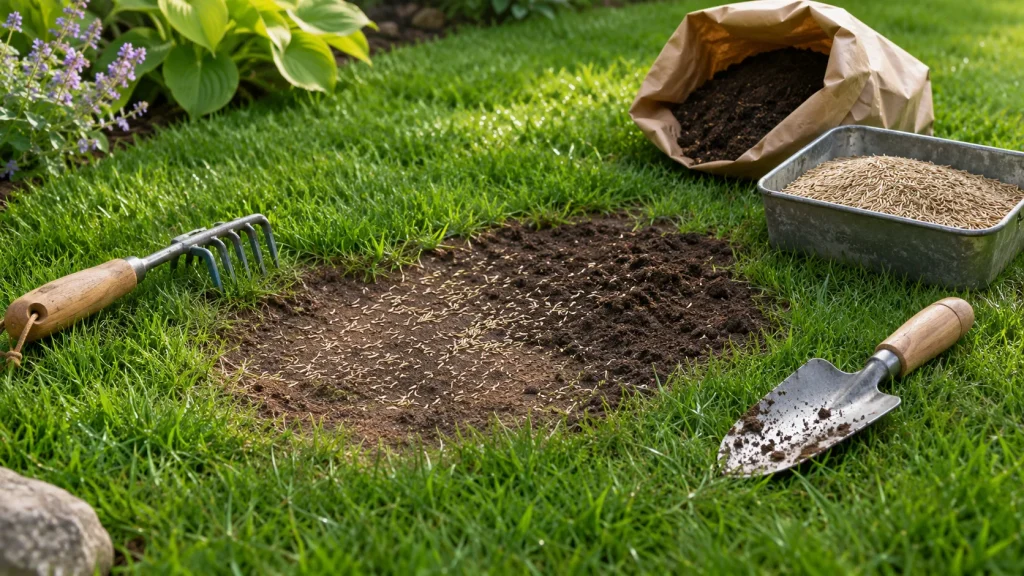
A healthy green lawn can suddenly begin turning brown, leaving you wondering whether the grass needs more water, has developed a disease, or is dying. Sometimes the entire lawn fades to a straw-colored shade. In other cases, small brown circles, irregular patches, or dry-looking strips appear while the surrounding grass remains green. Once you know why the grass died, prepare and reseed the bare patches.
Although brown grass can look alarming, discoloration does not always mean the lawn is permanently damaged. Many cool-season grasses naturally become dormant during hot, dry weather, while warm-season grasses often turn brown when colder temperatures arrive. Once favorable growing conditions return, healthy dormant grass may begin producing green leaves again.
However, brown patches can also indicate a real problem. Poor drainage, excessive mowing, compacted soil, root-feeding insects, fungal diseases, pet urine, and incorrect fertilizer applications can all damage lawn grass. Because these problems can look similar, applying more water or fertilizer without identifying the cause may make the situation worse.
This guide explains why lawns turn brown, how to tell whether the grass is dormant or dead, and how to investigate common lawn problems. You’ll also learn which recovery methods may help and how to maintain a healthier lawn throughout the year.
Quick Answer: Why Is My Lawn Turning Brown?
A lawn commonly turns brown because of insufficient moisture, seasonal dormancy, excessive watering, root problems, mowing damage, fertilizer injury, pest activity, or fungal disease.
If the lawn becomes uniformly brown during hot, dry weather, drought stress or normal summer dormancy may be responsible. If a warm-season lawn turns brown as winter approaches, the color change may be a normal response to cold temperatures.
Small, sharply defined patches may suggest localized causes such as pet urine, spilled fertilizer, mowing damage, or unusual soil conditions. Expanding patches accompanied by distinctive leaf lesions, damaged roots, or insect activity may require further investigation.
Before applying a treatment, examine the pattern, recent weather, soil moisture, grass type, and condition of the roots.
- Brown lawn during drought: Check for dry soil and other signs of moisture stress.
- Brown warm-season grass in winter: Consider normal seasonal dormancy.
- Brown grass in constantly wet soil: Investigate drainage and root health.
- Small circular brown spots: Check for pet activity, disease, or other localized damage.
- Brown stripes after fertilizing: Consider uneven fertilizer application or excessive salts.
- Grass thinning in heavy shade: Evaluate sunlight and root competition.
- Rapidly spreading damaged areas: Look for additional evidence of insects, disease, or environmental injury.
Gardening Tip: Do not immediately fertilize or reseed brown grass. First determine whether the lawn is dormant, genuinely dry, waterlogged, or suffering from another problem. Treating the cause is more useful than treating the color alone.
What Do Different Brown Lawn Patterns Mean?
The shape and location of discolored grass can provide useful diagnostic clues, although appearance alone rarely proves the exact cause.
The Entire Lawn Turns Brown
When most of the lawn changes color at approximately the same time, begin by checking weather conditions and the turfgrass species.
Cool-season grass may turn brown during prolonged summer heat or drought. Warm-season grass often turns brown during winter as it enters dormancy.
Widespread discoloration can also occur after severe environmental stress, irrigation problems, or an unsuitable lawn treatment.
Small Circular Brown Patches
Small circles may appear after concentrated pet urine exposure, localized fertilizer injury, or certain lawn diseases.
Some fungal diseases produce circular patches, but the shape alone is not enough to identify a pathogen. Check individual grass blades, recent humidity, soil conditions, and the speed at which the patch is changing.
Irregular Brown Areas
Irregular patches may develop where soil moisture is uneven, roots are damaged, or the lawn experiences differing levels of sunlight and traffic.
Dry soil near trees, buried construction debris, or compacted areas can create irregular patterns that are initially mistaken for disease.
Brown Stripes or Straight Lines
Regular stripes can suggest a problem linked to lawn maintenance.
Examples include uneven fertilizer spreading, overlapping chemical applications, mower scalping, irrigation coverage, or repeated movement along the same route.
Review recent lawn-care activities before assuming that insects or fungi are responsible.
Brown Areas Beside Paths or Driveways
Grass near paving may experience greater heat exposure, compacted soil, restricted rooting space, or repeated traffic.
In cold climates, de-icing salt runoff can also damage turf beside roads, sidewalks, and driveways.
The location of damage is a clue, but inspect the soil and surrounding conditions before deciding on a repair.
1. Drought and Summer Heat Stress
Drought is one of the most common reasons lawns turn brown during summer.
Grass needs water for growth, cooling, and normal plant functions. When the soil becomes too dry, plants may reduce growth and begin showing moisture-stress symptoms.
Some grass species respond by entering dormancy rather than continuing active growth through unfavorable conditions.
Signs Your Lawn Is Suffering From Drought
Common signs include:
- Grass changes from healthy green to dull blue-green, gray-green, or brown.
- Blades appear folded or rolled inward.
- Footprints remain visible longer than usual after walking across the lawn.
- Grass growth slows or stops.
- Soil becomes dry at the depth where active roots are growing.
- More exposed or shallow-soil areas turn brown before sheltered areas.
These symptoms should be interpreted alongside weather and soil moisture rather than used as proof of drought by themselves.
Should You Water a Brown Lawn During a Heatwave?
That depends on the grass type, how established it is, the local climate, and whether you are allowing natural dormancy.
Newly seeded or newly installed turf usually needs more consistent moisture because its roots are not yet fully established.
For an established cool-season lawn, allowing summer dormancy may be a reasonable water-conservation strategy. Frequent shallow irrigation simply to keep dormant grass green is not necessarily beneficial.
Where irrigation is appropriate, water according to root-zone moisture and local turfgrass guidance. Avoid alternating repeatedly between severe drought stress and efforts to force active growth with excessive watering.
Can Heat Permanently Kill Grass?
Yes, severe or prolonged heat and drought can eventually kill grass tissues, including vital growing points and roots.
However, many established lawns recover after temperatures become suitable and moisture returns.
Wait for favorable growing conditions and inspect for new growth before assuming that all brown grass needs replacing.
2. Normal Seasonal Dormancy: Brown Grass Is Not Always Dead
Grass dormancy is a natural period of greatly reduced growth that allows certain turfgrass species to survive unfavorable seasonal conditions.
During dormancy, leaves may lose their green color even though the growing points and parts of the root system remain alive.
Cool-Season Grass Turning Brown in Summer
Cool-season turfgrasses include tall fescue, Kentucky bluegrass, perennial ryegrass, and fine fescues.
These grasses generally grow most actively during mild spring and autumn weather.
During periods of intense heat or drought, some may become dormant and turn brown until growing conditions improve.
The ability to survive dormancy varies by species, cultivar, soil conditions, and the duration of stress.
Warm-Season Grass Turning Brown in Winter
Warm-season turfgrasses include bermudagrass, zoysiagrass, and St. Augustinegrass.
These species generally grow actively in warm conditions but may slow or stop growing as temperatures decline.
Many warm-season lawns become straw-colored during winter dormancy. This is not necessarily a problem requiring fertilizer, extra water, or reseeding.
When warm weather returns, healthy dormant turf may produce fresh green leaves.
How Can You Tell Dormant Grass From Dead Grass?
Brown foliage by itself cannot reliably confirm whether the grass is alive or dead.
Consider the normal dormancy season for your turfgrass, whether the change affected the whole lawn, and whether the crowns and roots show signs of survival.
After favorable temperatures and moisture return, look for fresh green shoots emerging from the base of the grass plants.
If an area remains brown while comparable healthy turf resumes growth, investigate possible permanent damage.
Good to Know: A brown lawn during its normal dormant season may need less maintenance, not more. Avoid unnecessary fertilizer, aggressive renovation, or frequent watering intended only to change its appearance.
3. Overwatering, Poor Drainage, and Waterlogged Soil
Although drought is a common cause of brown grass, excessive water can also injure turf.
Grass roots need oxygen. When soil remains saturated for extended periods, water displaces air from soil pores and can restrict healthy root function.
Waterlogging may cause discoloration, thinning, weak growth, and eventual grass death.
Signs of Excess Water
- Soil remains wet or muddy long after rainfall or irrigation.
- Water collects in low areas.
- Grass becomes yellow, brown, or unusually weak.
- Roots appear damaged or decayed.
- The affected area has poor drainage or receives excessive irrigation.
- Repeated disease problems occur during wet conditions.
These symptoms overlap with other problems, so examine the soil and root zone before drawing conclusions.
Why Does My Lawn Turn Brown Even Though I Water It?
Several situations can explain this problem.
The soil may be constantly saturated, restricting oxygen to the roots. Alternatively, irrigation may be uneven, leaving parts of the lawn dry while other areas receive excessive water.
Compacted soil can also restrict water infiltration and root growth.
In some lawns, water-repellent soil creates a condition called dry patch. Water may run off or remain on the surface while the soil below stays unusually dry.
The presence of standing water therefore does not always prove that the entire root zone has been properly wetted.
How to Correct Watering Problems
First, check soil moisture several centimeters below the surface and review the irrigation system.
If the soil is saturated, reduce unnecessary watering and investigate drainage rather than applying more water.
Check for compacted soil, blocked drainage, unsuitable grading, or excessive runoff from nearby paved surfaces.
Where soil is water-repellent, use appropriate local turf advice to improve wetting and identify underlying causes. Avoid adding soil amendments or chemicals without understanding the specific problem.
4. Mowing Too Short, Dull Mower Blades, and Heavy Foot Traffic
Lawn maintenance practices can contribute to brown or thinning grass, especially when turf is already stressed by heat, drought, or poor soil conditions.
Scalping the Lawn
Scalping occurs when the mower removes too much grass or cuts into the lower portions of the plant.
This is particularly common on raised or uneven sections where the mower cuts closer to the soil than intended.
Damaged areas may become pale, brown, or bare.
What to do: Adjust the mower to a suitable height for the grass species and consider correcting significant lawn bumps or uneven surfaces during an appropriate renovation period.
Mowing With Dull Blades
Dull mower blades can tear grass leaves rather than cutting them cleanly.
The damaged leaf tips may dry and become pale or brown, leaving the lawn looking dull after mowing.
What to do: Keep mower blades properly sharpened and maintained. Follow the manufacturer’s safety instructions before handling or servicing cutting equipment.
Cutting Too Much at Once
Removing a large proportion of the leaf blade in one mowing can stress turfgrass.
A common general principle is to remove no more than about one-third of the grass blade during a single mowing.
The appropriate finished mowing height differs between cool-season and warm-season turfgrasses.
What to do: Adjust mowing frequency to actual growth and avoid cutting excessively short simply to reduce how often the lawn needs mowing.
Heavy Foot Traffic and Soil Compaction
Frequently used paths, play areas, and places where equipment repeatedly crosses the grass may become thin or brown.
Traffic damages foliage and can compact soil, limiting oxygen and water movement around the roots.
What to do: Reduce unnecessary traffic, create durable paths where appropriate, and correct significant compaction during the suitable growing season.
5. Pet Urine, Fertilizer Burn, and Chemical Injury
Localized chemical injury can create brown spots that look very different from widespread seasonal dormancy.
Dog Urine Spots
Concentrated urine can damage grass leaves and roots because of its chemical composition and salt content.
Small brown spots may appear where a dog repeatedly urinates. In some cases, darker green or more vigorous grass develops around the edges.
However, not every circular patch is caused by pet urine, so consider whether animals regularly use the affected area.
What to do: Promptly dilute a fresh urine spot with clean water where practical. Consider designating an appropriate pet area if the same patch is repeatedly damaged.
Do not give pets supplements or other treatments intended to prevent lawn damage without consulting a veterinarian.
Too Much Fertilizer
Overapplication of fertilizer can cause turfgrass injury associated with excessive soluble salts or unsuitable nutrient concentrations.
Damage may appear as brown stripes, patches, or irregular areas after feeding the lawn.
Overlapping spreader passes or fertilizer spills can create particularly concentrated areas.
What to do: Remove visible excess granular fertilizer where practical. Assess soil moisture and drainage before attempting to leach salts. On well-drained soil, appropriate irrigation may reduce some fertilizer-related salt injury, but repeated flooding can cause runoff or worsen poor drainage.
If serious damage persists, obtain local horticultural advice and repair dead turf once conditions are suitable.
Herbicide Damage
Herbicides used incorrectly, applied to unsuitable grass species, or allowed to drift can injure desirable lawn plants.
Damage may produce unusual discoloration, stunted growth, or dead patches depending on the product and exposure.
What to do: Review the product label and application history. Avoid additional treatment until the likely cause is understood.
Fuel, Oil, and Other Spills
Fuel or oil leaking from lawn equipment can cause irregular patches of dead grass.
Do not refuel equipment or handle potentially leaking machinery directly over healthy lawn areas.
If a significant or hazardous spill occurs, follow appropriate environmental and local disposal guidance. Do not attempt to flush unknown chemicals into storm drains or neighboring soil.
Important Caution: A brown lawn is not proof of a nutrient deficiency or insect infestation. Applying extra fertilizer, fungicide, or insecticide without a diagnosis can cause unnecessary damage and environmental risks. Use treatments only when appropriate and follow legally approved product labels.
6. Lawn Insects That Damage Grass Roots and Leaves
Some insect larvae feed on lawn roots or crowns, while others damage grass blades.
Serious feeding can cause thinning, wilting, or brown patches, especially when plants are already stressed.
However, insects are naturally present in healthy lawns, and finding one or two organisms does not prove they caused the damage.
White Grubs and Other Root-Feeding Larvae
Certain beetle larvae, commonly called white grubs, feed on grass roots.
Heavy infestations can reduce root anchorage and make turf more vulnerable to drought.
Signs may include grass that becomes loose or lifts away from the soil because much of the root system has been damaged.
In some regions, leatherjackets, the larvae of certain crane flies, can also damage grass roots or crowns.
The relevant pest species vary by country and climate.
Sod Webworms and Other Leaf-Feeding Insects
Some caterpillars and other insect pests feed on grass blades, producing irregular thinning or brown areas.
Depending on the species, caterpillars may remain hidden near the base of the turf during the day and feed more actively at night.
Look for direct evidence of insects or characteristic feeding damage rather than relying only on the lawn’s color.
How to Check for Lawn Insect Damage
- Identify when the damage began and whether it is spreading.
- Check the grass type and common pests reported in your region.
- Inspect the affected turf near the boundary between healthy and damaged grass.
- Examine leaves, thatch, roots, and the upper soil for insects or feeding damage.
- Compare findings with reliable local pest identification resources.
- Seek a professional or extension diagnosis if the pest and level of damage remain unclear.
If a damaging pest population is confirmed, follow a locally appropriate integrated pest management plan.
Control methods may involve improving lawn conditions, monitoring pest life cycles, using suitable biological control, or applying legally approved products when justified.
Routine insecticide application without evidence of a damaging infestation is not recommended.
7. Fungal Diseases That Cause Brown Lawn Patches
Several fungal diseases can discolor or damage turfgrass.
Their appearance depends on the grass species, season, temperature, humidity, leaf wetness, and other environmental factors.
Some diseases mainly affect the leaves and allow the turf to recover naturally. Others cause more serious damage to roots, crowns, or entire plants.
Brown Patch Disease
Brown patch is a fungal disease that commonly affects certain cool-season lawns during warm, humid weather.
Symptoms can include tan or brown lesions on individual grass blades, sometimes with darker borders.
Discoloration may form visible patches or appear more scattered across the lawn.
Under very humid conditions, fine fungal growth may sometimes be visible on affected grass in the early morning.
Management approach: Maintain appropriate mowing height, avoid excessive nitrogen fertilizer, reduce unnecessary prolonged leaf wetness, and use locally suitable disease-management recommendations.
Many affected lawns can recover when conditions improve. Fungicides are not routinely needed for every brown patch outbreak.
Dollar Spot
Dollar spot can create small pale or straw-colored areas that may merge into larger discolored patches.
Individual blades may develop lesions with lighter centers and darker margins.
The disease is associated with particular temperature and moisture conditions and may be influenced by turf nutrition and general lawn health.
Management approach: Identify the disease correctly, improve suitable turfgrass maintenance, and avoid creating unnecessarily stressful growing conditions.
Red Thread and Lawn Rust
Some lawn diseases produce distinctive colored structures on grass leaves.
Red thread may produce pinkish or reddish threadlike growth, while certain rust diseases create orange or rusty-colored spores that can rub off onto shoes or hands.
These conditions can make lawns look yellow, reddish, or brown from a distance.
Management approach: Confirm the disease and maintain suitable mowing, nutrition, moisture, and growing conditions. Avoid unnecessary blanket applications of fungicide.
Snow Mold and Cool-Season Diseases
In colder regions, certain fungal diseases can damage turf during cool, wet weather or beneath prolonged snow cover.
Snow mold may become visible after snow melts, leaving discolored or matted patches.
This problem is more relevant to climates with prolonged winter snow than to regions that rarely experience such conditions.
When Should You Seek a Disease Diagnosis?
Seek expert advice when brown areas expand rapidly, recur repeatedly, cause serious root or crown damage, or fail to improve despite suitable growing conditions.
A local plant diagnostic service can assess grass type, leaf symptoms, weather history, and possible pathogens.
Correct identification is important because drought, chemical injury, insects, and fungal diseases can produce overlapping symptoms.
8. Shade, Compacted Soil, and Other Growing-Site Problems
Some brown lawn areas result from growing conditions that have remained unsuitable for a long time.
Not Enough Sunlight
Many lawn grasses need substantial sunlight to maintain dense growth.
In deeply shaded areas, grass may gradually become thin, weak, and less competitive with moss or other low-growing plants.
Tree roots may also compete with turfgrass for available soil moisture.
What to do: Observe sunlight throughout the growing season and select a species suited to the conditions. In very deep shade, consider suitable groundcovers, a mulched tree area, or another landscape design instead of repeatedly reseeding grass that cannot thrive.
Soil Compaction
Compacted soil can restrict roots, reduce aeration, and limit the movement of water into the root zone.
Grass may remain thin and more susceptible to stress even when irrigation and fertilizer appear adequate.
What to do: Limit repeated traffic, avoid working saturated soil, and consider appropriate core aeration during the grass’s active growing season if compaction is confirmed.
Unsuitable Soil pH or Nutrient Balance
Grass needs suitable nutrient availability to grow well.
However, brown discoloration does not automatically indicate low nitrogen or another nutrient deficiency.
Soil pH and nutrient availability can be assessed using an appropriate laboratory soil test.
What to do: Use test results and local turfgrass recommendations to guide fertilizer or lime applications. Avoid applying amendments without evidence of a need.
Buried Rubble or Shallow Soil
Construction debris, buried stones, and shallow soil may limit root development and available moisture.
These areas can turn brown sooner than nearby grass during hot or dry weather.
What to do: Rule out more common causes before investigating buried material. If significant debris or unsuitable soil is confirmed, correct the issue carefully and restore the area during an appropriate planting season.
How to Diagnose a Brown Lawn Step by Step
When the cause is unclear, work through a simple diagnostic process before making major changes.
- Identify the grass type. Determine whether your lawn contains cool-season or warm-season turfgrass and whether it is currently in a normal dormant period.
- Review recent weather. Look for heatwaves, drought, heavy rain, freezing weather, or unusual seasonal conditions.
- Inspect the pattern. Decide whether browning is widespread, circular, irregular, striped, or limited to a particular site.
- Check soil moisture. Use a trowel or soil probe to examine moisture below the surface rather than relying only on its appearance.
- Review irrigation coverage. Check sprinkler alignment, blocked outlets, leaks, and areas receiving excessive or insufficient water.
- Inspect mowing practices. Note the cutting height, mower blade condition, and whether damage follows uneven ground.
- Check recent treatments. Review fertilizer, herbicide, and other chemical applications, as well as possible spills.
- Consider pet and traffic patterns. Look for localized damage in areas repeatedly used by animals or people.
- Inspect grass leaves and roots. Look for distinctive lesions, root damage, insects, or other clues.
- Examine site conditions. Evaluate shade, compaction, drainage, and possible soil limitations.
- Record the results. Take photographs, note the weather, and monitor whether the patches expand or recover.
- Seek expert diagnosis when necessary. Contact a local horticultural extension service or turf specialist for recurring, severe, or unexplained problems.
A Useful Test: Compare Healthy and Brown Grass
Where possible, compare a healthy part of the lawn with the damaged patch.
Check whether the soil feels different, whether roots are well developed, and whether one area receives more shade or water.
Look for patterns in the transition between healthy and brown grass.
This comparison may reveal environmental differences that would be missed by examining the damaged area alone.
Brown Lawn Symptom Comparison Table
The following table summarizes common patterns and useful first checks. These are diagnostic clues rather than confirmed diagnoses.
| What you notice | Possible cause | What to check first |
|---|---|---|
| Most of the lawn turns brown during hot, dry weather | Drought stress or cool-season grass dormancy | Grass type, soil moisture, and recent heat |
| Warm-season lawn turns brown as winter approaches | Normal cold-season dormancy | Grass species and seasonal temperature |
| Brown areas occur where the soil remains saturated | Overwatering, drainage problems, or root stress | Soil moisture, irrigation, and water movement |
| Small brown circles have darker green margins | Possible dog urine injury | Pet activity and recent localized exposure |
| Brown stripes appear after feeding the lawn | Possible fertilizer overapplication | Application rate, spreader pattern, and spills |
| Grass becomes brown on raised areas after mowing | Mower scalping | Cutting height and uneven ground |
| Grass has pale-brown lesions with dark margins | Possible fungal leaf disease | Leaf symptoms, humidity, and grass species |
| Grass lifts easily because roots have been damaged | Possible root-feeding pests or root disease | Root condition and identifiable insects |
| Thin brown grass develops under trees or near buildings | Shade or root competition | Available sunlight and soil moisture |
| Dry brown patches do not rewet after irrigation | Possible water-repellent soil | Moisture beneath the surface and water infiltration |
| Brown patches repeatedly form along walking routes | Traffic wear or soil compaction | Foot traffic, soil hardness, and turf density |
| Brown grass remains after favorable weather returns | Possible permanent damage or unresolved stress | New growth, crowns, roots, and site conditions |
How to Help a Brown Lawn Recover
The best recovery strategy depends on whether the grass is still alive and what caused it to turn brown.
Step 1: Correct the Underlying Problem
Begin by addressing the likely cause of stress.
If the lawn is genuinely dry and appropriate irrigation is needed, restore moisture carefully.
If soil is waterlogged, reduce unnecessary irrigation and investigate drainage.
If fertilizer or chemical injury is suspected, follow suitable product-specific guidance rather than applying additional treatments.
Where insects or disease are suspected, obtain an accurate diagnosis before treating.
Step 2: Allow Dormant Grass to Recover Naturally
If seasonal dormancy is the likely cause, wait for suitable growing conditions.
Cool-season lawns may resume green growth as temperatures cool and moisture returns, while warm-season lawns generally green up when spring warmth stimulates growth.
Avoid unnecessary heavy fertilizer applications or aggressive cultivation during dormancy.
Step 3: Reduce Additional Stress
Raise the mower height where appropriate and avoid mowing when the grass has stopped growing.
Limit heavy traffic over weakened or dormant turf.
Postpone unnecessary dethatching, aggressive scarification, or other stressful work until the grass has recovered enough to tolerate it.
Step 4: Reassess After Conditions Improve
When the grass enters its normal active growing season, examine the previously brown areas.
Look for new green leaves, healthy crowns, and improving turf density.
Some grass may recover unevenly, especially where soil conditions differ across the lawn.
If sections remain completely bare or fail to produce healthy growth, further repair may be necessary.
Step 5: Repair Dead Patches at the Right Time
Where grass has died, prepare the soil and select a repair method suited to the turfgrass species.
Small bare areas may be reseeded with compatible grass seed. Sod may provide faster surface coverage, while plugs can be useful for certain spreading warm-season grasses.
In many temperate climates, cool-season turfgrass is best reseeded in late summer or early autumn. Warm-season grasses are generally established during a suitable warm, active-growth period.
Correct shade, drainage, soil compaction, or other site problems before replanting so that the new grass does not fail for the same reason.
Step 6: Monitor the Lawn After Recovery
Continue checking soil moisture, mowing height, weed competition, and overall growth.
If the same patches turn brown repeatedly, the underlying cause may remain unresolved.
Keep simple notes about weather conditions, treatments, and the timing of symptoms to help identify recurring patterns.
How to Prevent Your Lawn From Turning Brown Again
Some seasonal browning is a normal part of turfgrass growth, but many avoidable lawn problems can be reduced through suitable management.
Choose Grass Suited to Your Climate
Cool-season and warm-season grasses respond differently to heat, cold, sunlight, and drought.
Select turfgrass suited to the local climate, site exposure, intended lawn use, and available water.
If an existing grass species struggles every year because of unsuitable growing conditions, a different grass type or alternative landscape planting may be more practical.
Maintain the Correct Mowing Height
Mow according to species-specific recommendations and avoid scalping.
Keeping mower blades sharp helps reduce unnecessary leaf damage.
During stressful weather, reduce mowing frequency when grass growth slows rather than repeatedly cutting already weakened turf.
Water Based on Soil Conditions
Avoid following an unchanging daily watering schedule without assessing rainfall, soil moisture, and grass growth.
For established lawns receiving irrigation, appropriate watering that reaches the active root zone is generally more useful than repeated light sprinkling.
During summer dormancy, follow local water-conservation and turfgrass advice instead of automatically attempting to maintain a lush green lawn through extreme conditions.
Maintain Healthy Soil and Drainage
Healthy turf depends on suitable soil structure, aeration, moisture, and nutrient availability.
Reduce unnecessary foot traffic, avoid compacting wet soil, and correct persistent drainage problems.
When core aeration is appropriate, carry it out during the suitable active growing season for your grass species.
Fertilize Only When Needed
Use laboratory soil testing and local turf guidance to determine fertilizer and lime needs.
Choose appropriate products, rates, and seasonal timing.
Avoid spills, overlapping spreader passes, and excessive fertilizer applications, particularly when turf is already under environmental stress.
Monitor Pests and Diseases Before Treating
Inspect the lawn for new symptoms and look for direct evidence before assuming that insects or disease are responsible.
Maintain appropriate watering, mowing, and nutrition to support turfgrass health.
When a specific pest or disease requires intervention, use an appropriate integrated pest management approach.
Protect Areas With Heavy Traffic or Deep Shade
Repeated damage in the same location often indicates a site problem rather than a temporary lawn-care issue.
Consider suitable paths through heavily used areas and alternative planting in locations where grass receives insufficient light.
A well-designed lawn does not need to cover every square meter of the garden.
Seasonal Lawn Care Checklist
Use the following general checklist and adapt it to your local growing season:
- Spring: Check winter damage, assess drainage, review soil fertility, and resume appropriate mowing when growth begins.
- Summer: Monitor heat and drought stress, avoid mowing too short, and reduce unnecessary traffic on weakened grass.
- Autumn: Inspect damage, repair suitable cool-season lawns, and complete maintenance tasks during favorable growing conditions.
- Winter: Recognize normal warm-season grass dormancy, limit damaging traffic on vulnerable turf, and avoid unnecessary feeding or watering.
In regions where seasons are defined by wet and dry periods rather than strong temperature changes, organize lawn care around actual rainfall and active turf growth.
Frequently Asked Questions About Brown Lawn Grass
Why is my lawn turning brown even though I water it?
Possible causes include overwatering, poor drainage, uneven irrigation, root damage, soil compaction, fungal disease, or water-repellent soil. Check moisture below the surface and examine the growing conditions before applying more water.
Can brown grass turn green again?
Yes, if the grass is dormant and its vital growing tissues remain alive. New green leaves may emerge when favorable temperatures and moisture return. Dead grass cannot regenerate from tissues that have been permanently killed, although surviving plants or new seed may fill the area.
How do I know whether my lawn is dormant or dead?
Consider the grass species, current season, weather history, and presence of healthy crown or root tissue. Monitor for fresh green growth when suitable conditions return. Uniform seasonal browning may indicate dormancy, while isolated patches that never recover may suggest permanent damage.
Why does my lawn turn brown every summer?
Cool-season turfgrass may become dormant during periods of intense summer heat and drought. Repeated browning may also indicate shallow soil, poor irrigation coverage, compaction, or a grass species unsuited to local summer conditions.
Why is my bermudagrass turning brown in winter?
Bermudagrass is a warm-season turfgrass that typically enters dormancy as temperatures decline. Browning during winter may therefore be normal. Healthy turf usually resumes green growth when sufficiently warm growing conditions return.
What causes small circular brown spots in a lawn?
Small circles may be associated with pet urine, fungal disease, localized fertilizer injury, or other problems. The size and shape alone are not diagnostic. Review pet activity, recent treatments, soil moisture, and leaf symptoms.
Should I fertilize my lawn when it turns brown?
Not automatically. Fertilizer will not fix drought, waterlogging, severe shade, dormancy, or many other causes of brown grass. Excess fertilizer can also cause additional injury. Apply nutrients only when appropriate for the grass species and supported by soil conditions or suitable turf guidance.
Can too much water turn grass brown?
Yes. Persistently saturated soil reduces oxygen availability to roots and can contribute to unhealthy growth and root deterioration. Check moisture and drainage before assuming brown grass needs more irrigation.
Does mowing too short cause brown grass?
Yes. Scalping and excessive leaf removal can weaken turf and expose lower plant tissues. Use a suitable mowing height, keep mower blades sharp, and avoid cutting large amounts of growth in one session.
Do lawn grubs cause brown patches?
Certain root-feeding insect larvae can damage turf and contribute to brown areas. However, not every brown patch is caused by grubs. Inspect the roots and confirm a relevant damaging pest population before considering treatment.
How can I tell whether a brown lawn has a fungal disease?
Look for distinctive lesions on individual grass blades, characteristic fungal growth under suitable conditions, recurring patch patterns, and recent humid weather. Because diseases resemble environmental stress and pest damage, a local plant diagnostic service may be needed for confirmation.
Should I reseed my lawn if it is brown?
Only when repair is necessary. Dormant grass may recover without reseeding. If an area is genuinely dead, correct the underlying problem and reseed or replace the grass during a suitable establishment period for the species.
Final Thoughts
A lawn can turn brown for many reasons, and the color change does not always mean the grass is dead.
Hot weather and drought can cause cool-season lawns to enter dormancy, while cold winter temperatures often produce normal browning in warm-season turfgrass. Both situations may resolve when growing conditions improve.
However, persistent brown patches may result from poor drainage, damaged roots, unsuitable mowing, pet urine, chemical injury, pest feeding, fungal disease, or unfavorable soil conditions.
Before adding water, fertilizer, or pesticides, identify your grass type, check soil moisture, examine the pattern of damage, and review recent weather and lawn-care activities.
Many lawns recover with improved growing conditions and reduced stress. Where grass has permanently died, repair the area during the correct planting season after addressing the underlying cause.
With suitable mowing, responsible watering, healthy soil management, and regular observation, you can reduce recurring brown patches and maintain a lawn better adapted to your local climate.
Explore more practical advice in Gardenivo’s Lawn & Garden Care articles. You can also browse Soil & Watering for guidance on healthy root-zone conditions and Seasonal Gardening for managing plants through changing weather.
Further Reading and Horticultural References
- Royal Horticultural Society: Dead Patches in Lawns — causes of brown patches, including drought, fertilizer injury, pet urine, insects, mowing, and disease.
- Royal Horticultural Society: Lawn Care During Drought — understanding summer browning, drought dormancy, and recovery.
- Royal Horticultural Society: Dry Patch in Lawns — water-repellent soil and browning that persists despite rainfall.
- University of Maryland Extension: Diagnose Home Lawn Problems — distinguishing common turfgrass symptoms and possible causes.
- University of Maryland Extension: Lawn Problems Not Caused by Pests or Diseases — drought, waterlogging, soil compaction, pet urine, and chemical injury.
- University of Maryland Extension: Diseases of Home Lawns — brown patch, dollar spot, leaf lesions, and appropriate management.
- University of Maryland Extension: Maintaining an Established Lawn — mowing, irrigation, seasonal dormancy, fertilizer, and general maintenance.
- University of Minnesota Extension: Conserving Water on Drought-Affected Lawns — managing drought stress and distinguishing dormancy from permanent injury.
- University of Minnesota Extension: Diagnosing Brown Turfgrass — heat stress, seasonal damage, and grass discoloration patterns.
- Royal Horticultural Society: Repairing Lawns — restoring genuinely dead areas by reseeding or laying new turf.