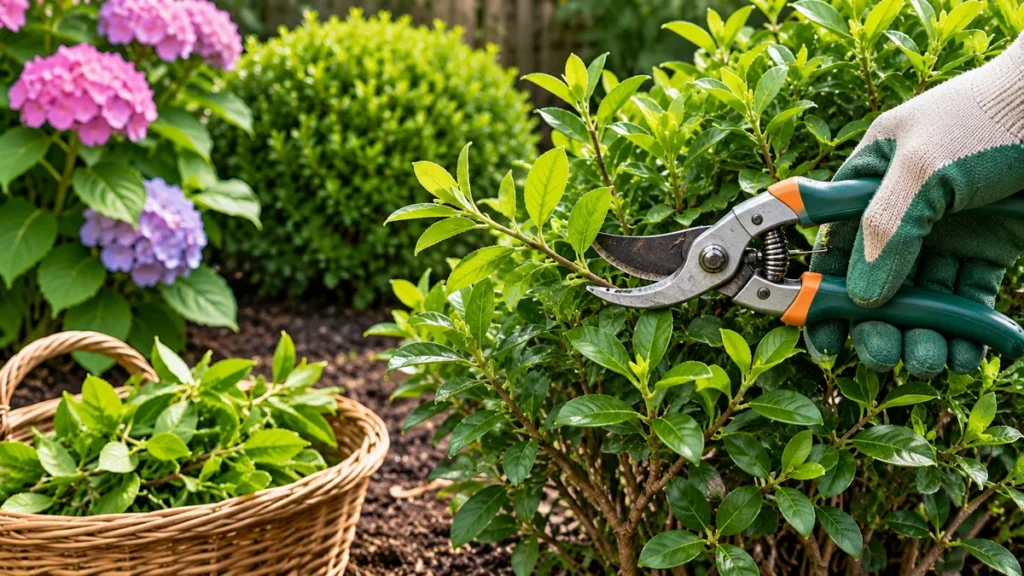
How to Maintain a Small Backyard Garden
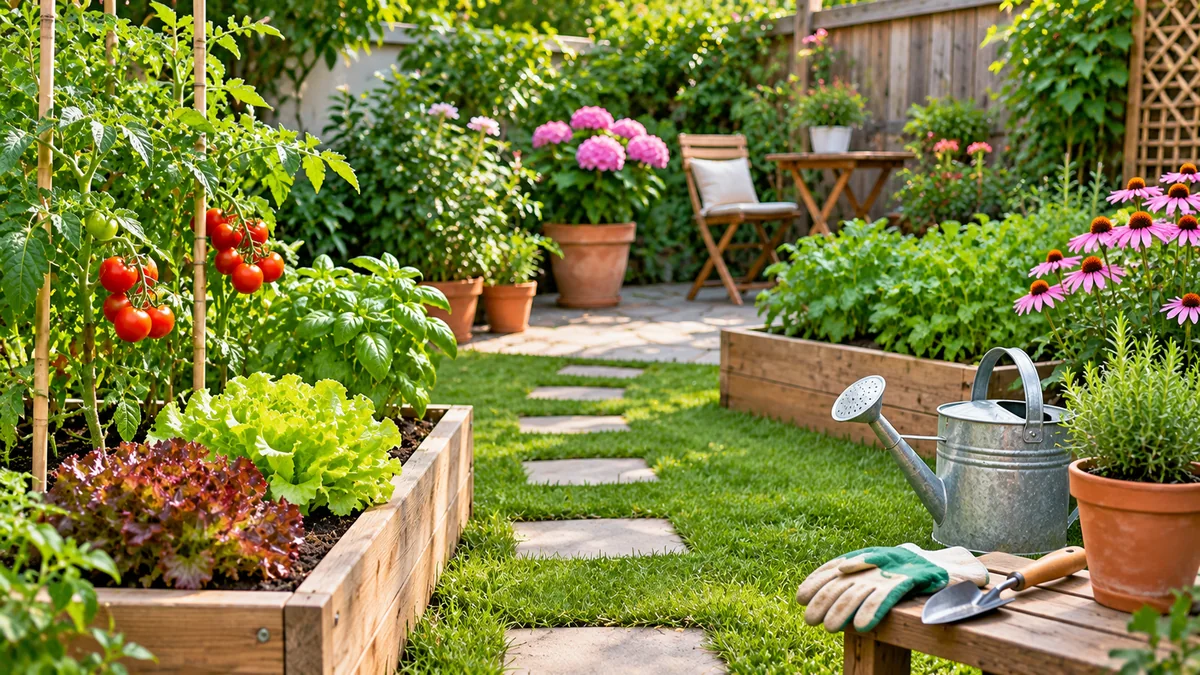
A small backyard garden can provide a relaxing outdoor space, colorful flowers, fresh herbs, and even homegrown vegetables. But when plants, pathways, containers, and lawn areas share a limited space, maintaining everything can sometimes feel more complicated than expected.
The good news is that a beautiful small garden does not need constant work. With suitable plant choices, regular observation, sensible watering, and a few manageable maintenance routines, you can keep your backyard healthy without spending every weekend pruning, weeding, and repairing problems.
Effective garden maintenance begins with understanding how the space works. Shady corners may need different plants from sunny borders. Containers may dry out faster than garden beds, while an established shrub may require less attention than newly planted vegetables.
This guide explains how to maintain a small backyard garden throughout the year, including practical advice on watering, soil care, weed control, pruning, pest monitoring, lawn maintenance, and seasonal cleanup. It also provides a simple routine you can adapt to your climate, schedule, and gardening experience.
Quick Checklist: How to Maintain a Small Backyard Garden
The easiest way to keep a compact garden in good condition is to prevent small problems from becoming large ones. Regular inspection helps you spot dry containers, growing weeds, damaged supports, and unusual plant symptoms while they are still manageable.
Use this checklist as a starting point:
- Check soil moisture before watering plants.
- Inspect new growth for pests, damage, and signs of disease.
- Remove troublesome weeds before they spread.
- Maintain an appropriate layer of mulch on suitable garden beds.
- Harvest ripe vegetables and herbs regularly.
- Remove spent flowers where deadheading benefits the plant.
- Prune shrubs only when needed and at the correct time.
- Keep paths, steps, and access areas clear and safe.
- Monitor containers for drainage and root crowding.
- Adjust lawn mowing to grass growth and seasonal conditions.
- Inspect irrigation equipment for leaks and blocked outlets.
- Review your planting and maintenance plans as seasons change.
These jobs do not all need to be completed every day. Most can be organized into short weekly inspections, with more substantial work scheduled seasonally.
Gardening Tip: Start with a regular 10–15-minute garden inspection when your schedule allows. Look for the few tasks that matter most rather than trying to make the entire garden perfect during every visit. This is a planning suggestion, not a requirement to perform every maintenance job daily.
Step 1: Organize Your Small Backyard for Easier Maintenance
The layout of a small garden strongly influences how much work it requires. Plants placed in unsuitable locations may need frequent watering, pruning, or replacement.
A practical layout should make it easy to reach plants, move around safely, and perform essential maintenance without damaging nearby beds.
Divide the Garden Into Simple Zones
Even a very small backyard can benefit from clearly defined areas. You might organize the garden into a planted border, a compact vegetable or herb area, a seating space, and a path for access.
These zones do not need fences or permanent structures. A change in paving, an edging strip, or a group of suitable plants may provide enough definition.
Keep high-maintenance crops, such as vegetables and frequently watered containers, close to a convenient water source when possible. This reduces the effort involved in everyday care.
Choose Plants That Fit the Available Space
Before adding a new shrub, tree, or perennial, check its expected mature height and spread.
A plant that looks compact in a nursery pot may eventually become too wide for a narrow border or block a pathway.
Choosing naturally compact or appropriately sized varieties can reduce the need for repeated pruning.
Also match plants to sunlight, soil drainage, local temperatures, and available moisture. A shade-tolerant plant may struggle in intense afternoon sun, while a sun-loving flowering plant may produce poorly in a dark corner.
Avoid Overcrowding
Overcrowding can make a small garden difficult to maintain. Closely packed plants may compete for water and light, obstruct access, and reduce airflow around foliage.
Allow enough room for plants to reach their mature size, while still providing suitable soil cover or groundcover planting where appropriate.
A smaller collection of healthy, well-positioned plants can be easier to manage than a crowded arrangement containing many unsuitable species.
Keep Garden Tools Accessible
Small gardens usually require only a modest collection of tools. A suitable hand trowel, hand pruners, gloves, watering equipment, and a weeding tool can handle many routine jobs.
Store tools in a dry, secure location and keep cutting edges clean and in good condition. An organized storage area saves time and reduces clutter in an already limited outdoor space.
Step 2: Create a Simple Daily and Weekly Garden Routine
Consistent observation is more useful than working for hours only after a problem becomes obvious.
However, the goal is not to complete unnecessary tasks every day. A garden’s needs change with weather, season, plant age, and the amount of active growth.
What to Check During a Short Garden Visit
When you visit the garden, look for a few basic conditions:
- Do any containers appear unusually dry or waterlogged?
- Are young plants wilting or showing new leaf damage?
- Have vegetables or herbs reached a suitable harvest stage?
- Are any supports loose or plants falling into pathways?
- Have new weeds appeared in vulnerable areas?
- Is irrigation equipment operating as intended?
Make a note of anything that needs attention, but complete only the jobs that are necessary and appropriate at that time.
Use One Longer Weekly Maintenance Session
Depending on the garden’s size and growing conditions, a weekly session can cover most general maintenance jobs. This might include hand weeding, cleaning accessible paths, inspecting plants, checking mulch, and harvesting suitable crops. To reduce routine weeding in beds, choose a mulch and apply it at a suitable depth.
The session may be brief in a well-established low-maintenance garden or longer when vegetables and seasonal flowers are growing actively.
Keep a Simple Garden Record
Use a notebook or basic digital note to record planting dates, fertilizer applications, unusual weather, pest problems, and maintenance tasks.
These records help prevent repeated feeding, forgotten planting dates, and unnecessary treatments.
They can also reveal which parts of your garden require the most work, helping you make better decisions about future plant choices and layout changes.
Step 3: Water Your Small Garden Efficiently
Watering is often one of the most frequent garden maintenance tasks, especially where vegetables, seedlings, and container plants share a limited space.
The most effective approach is to supply moisture when plants need it rather than following an identical watering schedule for every bed and pot.
Check Soil Moisture First
The soil surface may look dry even when enough moisture remains around deeper roots.
Check the growing medium below the surface at a depth appropriate to the plant. Young seedlings require attention near the surface, while established shrubs and vegetables draw water from a deeper root zone.
If the soil is already adequately moist, additional watering may not be necessary.
Water the Root Zone Thoroughly
Many established garden plants benefit from watering that moistens the active root zone rather than repeated shallow splashes.
The correct amount depends on soil type, plant species, recent rainfall, temperature, and root development.
Sandy soils may need more frequent irrigation, while moisture-retentive soils can remain wet for longer. Never assume that plants in different beds need exactly the same amount of water.
Water in the Morning When Practical
Early morning is often a convenient time because temperatures are generally lower and foliage that becomes wet may dry during the day.
If a plant is genuinely suffering from dry soil later in the day, do not withhold necessary water solely because it is not morning.
Aim water toward the soil rather than repeatedly soaking foliage, especially where leaf diseases are common.
Consider Drip Irrigation or Soaker Hoses
A small drip irrigation system or soaker hose can simplify watering in narrow beds and vegetable-growing areas.
These systems can deliver water close to roots, reduce unnecessary wetting of paths, and make watering more consistent when correctly managed.
Check regularly for leaks, blocked outlets, and uneven coverage. Even automated systems need adjustment when weather and plant growth change.
Conserve Water Where Possible
Suitable mulch, healthy soil, efficient irrigation, and plants matched to local conditions can reduce unnecessary water use.
Collecting rainwater may also be useful where local regulations and site conditions allow. Use suitable covered storage to reduce debris, animal access, and mosquito breeding risks.
Follow local water restrictions and avoid directing irrigation runoff onto neighboring properties or pathways.
Important Caution: Wilting does not always mean a plant needs more water. Waterlogged soil, damaged roots, heat stress, and other problems can cause similar symptoms. Check moisture and drainage before applying additional irrigation.
Step 4: Keep Garden Soil Healthy and Maintain Mulch
Healthy soil supports root growth, moisture retention, drainage, and nutrient availability. Improving soil conditions can reduce the need for repeated corrective maintenance.
Use Compost When Appropriate
Finished compost can contribute organic matter and improve the structure of many garden soils.
It may support water infiltration, moisture retention, and biological activity, depending on the original soil conditions.
However, applying large amounts of compost every year is not automatically beneficial. Nutrient-rich amendments can contribute excess nutrients when used unnecessarily.
Where practical, use laboratory soil testing and locally appropriate recommendations to guide major fertilizer and amendment decisions.
Apply Mulch to Suitable Beds
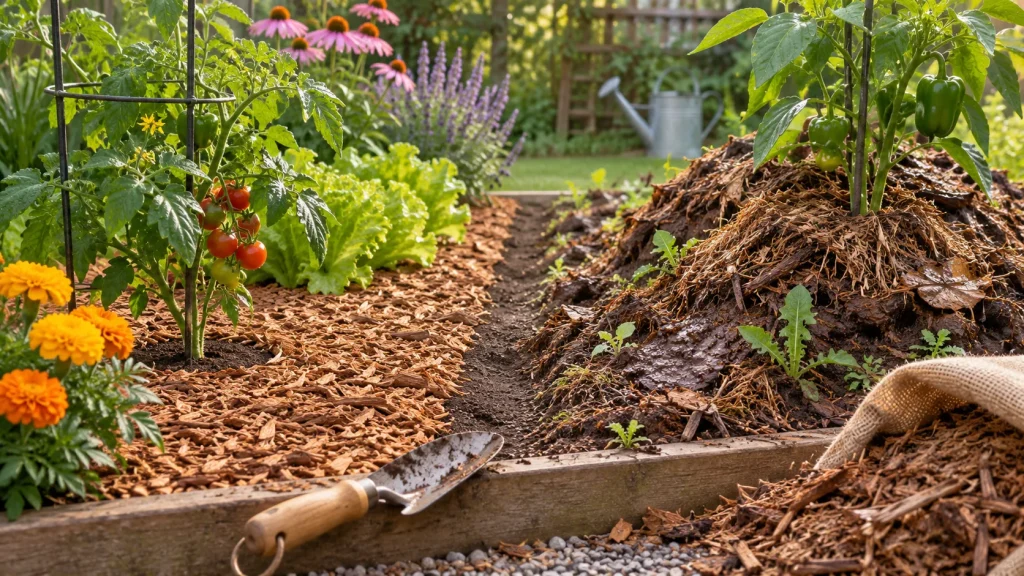
Mulch covers exposed soil, helping suppress weeds and reduce moisture loss from the surface.
Common organic mulches include shredded leaves, wood chips, bark, and clean straw. The best option depends on the plants and growing environment.
For many established borders, an organic layer around 5–8 cm (2–3 inches) deep is a useful general starting point, adjusted for the material and plant type.
Keep mulch away from direct contact with trunks, sensitive stems, and crowns. Do not bury small seedlings or allow mulch to obstruct necessary drainage.
Avoid Soil Compaction
In a small backyard, it is easy to repeatedly walk over planting areas while maintaining nearby plants.
Use designated paths or stepping stones to reduce traffic over the root zone.
Avoid digging or cultivating saturated soil, which can damage soil structure and make root development more difficult.
Do Not Fertilize Every Plant Automatically
Different plants require different amounts of nutrients. Some established shrubs need little additional feeding, while actively growing vegetables or flowering container plants may need more attention.
Use soil test results, species-specific recommendations, and product instructions instead of applying a general fertilizer whenever a leaf turns yellow or growth slows.
Overfertilization can contribute to root stress, nutrient imbalances, and avoidable environmental pollution.
Step 5: Control Garden Weeds Before They Become a Major Job
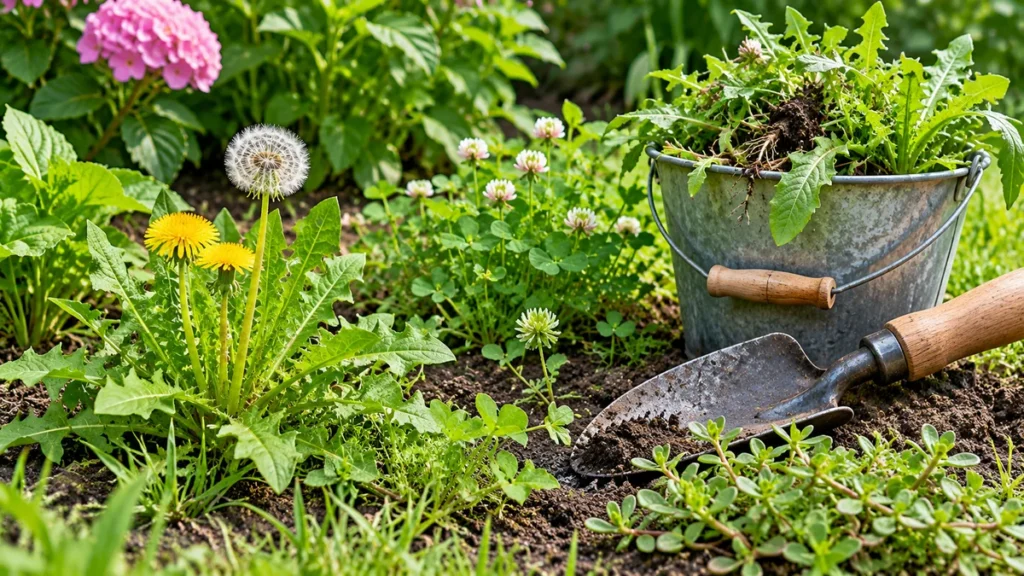
Weeds compete with desirable plants for water, nutrients, light, and growing space. In small backyards, a few persistent weeds can quickly spread through narrow beds or paving joints.
Regular early removal is usually easier than waiting until weeds are established and producing seeds.
Remove Young Weeds Regularly
Inspect borders and paths during routine garden visits. Small weeds are often easier to remove before developing extensive roots.
Hand-pulling can be effective for small areas, particularly when the soil is moderately moist and workable.
Some perennial weeds regenerate from underground stems or root fragments. Learn how the particular weed spreads before choosing a removal technique.
Prevent New Weeds With Mulch and Ground Cover
Covering suitable bare soil with mulch reduces the light available for many weed seedlings.
Appropriate groundcover plants can also occupy space and help reduce open soil, although they should be chosen carefully to avoid introducing aggressive or invasive species.
Mulch will not prevent every weed, so continue inspecting and removing new growth as needed.
Keep Pathways Clear
Weeds growing between paving stones or along path edges can make a small space look neglected and sometimes create slippery or uneven surfaces.
Remove them using suitable manual tools where practical. Avoid using household chemical mixtures as improvised weed killers, especially near desirable plants, drains, or pets.
Step 6: Prune Shrubs and Keep Plants at a Manageable Size
Pruning is especially important in compact gardens because overgrown plants may block paths, shade nearby crops, or occupy more room than intended.
However, the best way to reduce pruning work is to choose plants that naturally fit the available space.
Remove Damaged or Unwanted Growth
Inspect shrubs and perennials for clearly dead, broken, or diseased stems. Remove appropriate material with sharp, clean tools, making cuts suited to the species.
Avoid removing large amounts of healthy foliage simply to create an immediate neat appearance.
Prune Flowering Shrubs at the Correct Time
Pruning schedules depend on when a shrub develops flower buds.
Many spring-flowering shrubs produce flowers on growth made during the previous season. These are often pruned after flowering so that developing flower buds are not removed prematurely.
Some summer-flowering shrubs bloom on new seasonal growth and may benefit from appropriate pruning in late winter or spring.
Always confirm the species before carrying out major pruning, because there is no single correct schedule for all shrubs.
Support Climbing and Tall Plants
Climbing vegetables, selected flowering vines, and tall perennials may benefit from suitable trellises, stakes, or other supports.
Vertical growth can make better use of space and may improve access to plants, but supports must be stable and appropriately sized.
Inspect ties regularly to ensure they are not constricting growing stems.
Respect Wildlife and Safety
Check for active bird nests and other wildlife before trimming dense shrubs or hedges. Follow applicable local wildlife protections.
Large branches, unstable trees, work near electrical lines, and cutting at significant height should be left to suitably qualified professionals.
Step 7: Maintain Flowers, Herbs, and Vegetables in a Small Backyard
Many small gardens combine ornamental plants with edible crops. These areas can be rewarding but may need more frequent care than established shrubs or groundcovers.
Deadhead Flowers Where Useful
Deadheading means removing faded or spent flowers. For some flowering plants, it can improve appearance and encourage additional blooms.
However, deadheading is not needed for every species. Some plants produce attractive seedheads or valuable seeds for wildlife, while others naturally finish flowering without requiring intervention.
Choose the approach that suits the plant and your garden goals.
Harvest Herbs Regularly and Appropriately
Many culinary herbs benefit from suitable harvesting that encourages healthy branching and prevents excessive overcrowding.
However, harvesting methods differ. Basil, mint, thyme, rosemary, and parsley have different growth habits and care requirements.
Do not remove too much healthy growth at once, particularly from small or recently established plants.
Keep Vegetable Beds Accessible
Regularly inspect vegetable crops for ripening produce, watering needs, and new damage.
Harvest suitable crops at their intended maturity. Some beans, cucumbers, and leafy vegetables benefit from regular harvesting during their productive period.
Provide support for tomatoes, cucumbers, and climbing beans when needed, and maintain appropriate spacing to keep the crop accessible.
Replace Seasonal Plants Thoughtfully
When an annual crop or flower completes its life cycle, remove it at an appropriate time and assess whether the space can support another suitable planting.
Succession planting can be particularly valuable in small gardens because the same growing area may produce more than one crop during favorable conditions.
Use local planting calendars rather than relying on a fixed list of months for all climates.
Step 8: Maintain Pots, Planters, and Container Plants
Containers can make a small backyard more attractive and flexible, but they often require more attention than plants growing in suitable garden soil.
Because roots are confined to a limited growing volume, moisture and nutrient availability can change relatively quickly.
Check Moisture More Frequently in Hot Weather
During hot or windy periods, some containers may require daily moisture checks or more frequent monitoring.
Do not assume that every pot needs daily watering. Succulents, established shrubs, and actively producing vegetables may have very different moisture requirements.
Water when appropriate and ensure the growing medium drains adequately.
Use Suitable Potting Mix and Drainage
Select a growing medium appropriate to the plant and container.
Check for blocked drainage holes and avoid leaving ordinary pots sitting in standing water for prolonged periods.
Do not rely on a gravel layer at the bottom of a container as a substitute for functional drainage and a suitable potting mix.
Check for Root Crowding
Roots emerging through drainage holes, unusually rapid drying, and densely circling roots can indicate that a plant may need repotting.
Repot only when appropriate for the species and growth stage, choosing a suitable container size rather than automatically selecting the largest available pot.
Avoid Too Many Small Pots
A large collection of tiny containers may create substantial watering and maintenance work.
Where suitable, a smaller number of larger planters may be easier to care for and provide more stable root conditions.
Consider the total weight of filled containers and check structural limits when using raised patios, decks, or balconies.
Good to Know: Container gardening is space-efficient, but it is not always low maintenance. Choosing suitable pot sizes, reducing unnecessary container numbers, and matching plants to local conditions can make ongoing care considerably easier.
Step 9: Maintain a Small Lawn or Choose a Suitable Alternative
A lawn can provide useful space for relaxation, play, and visual openness. However, grass maintenance may account for a significant portion of the work in a compact backyard.
If your garden includes a lawn, adapt its care to the grass species, seasonal growth, and local climate.
Mow According to Grass Growth
Mow when the lawn is actively growing and conditions are appropriate. Keep mower blades sharp and choose a cutting height recommended for the grass species.
Cutting grass too short can increase stress and expose soil to sunlight, while infrequent mowing that removes too much growth at once may weaken the lawn.
Cool-season and warm-season turfgrasses have different growth patterns, so use locally appropriate mowing recommendations.
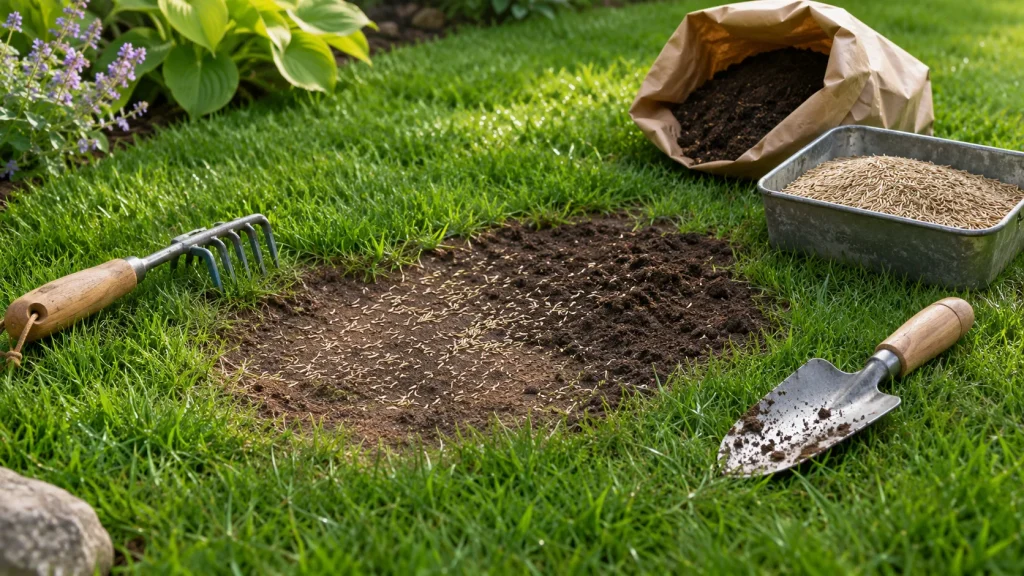
Inspect Brown or Bare Patches
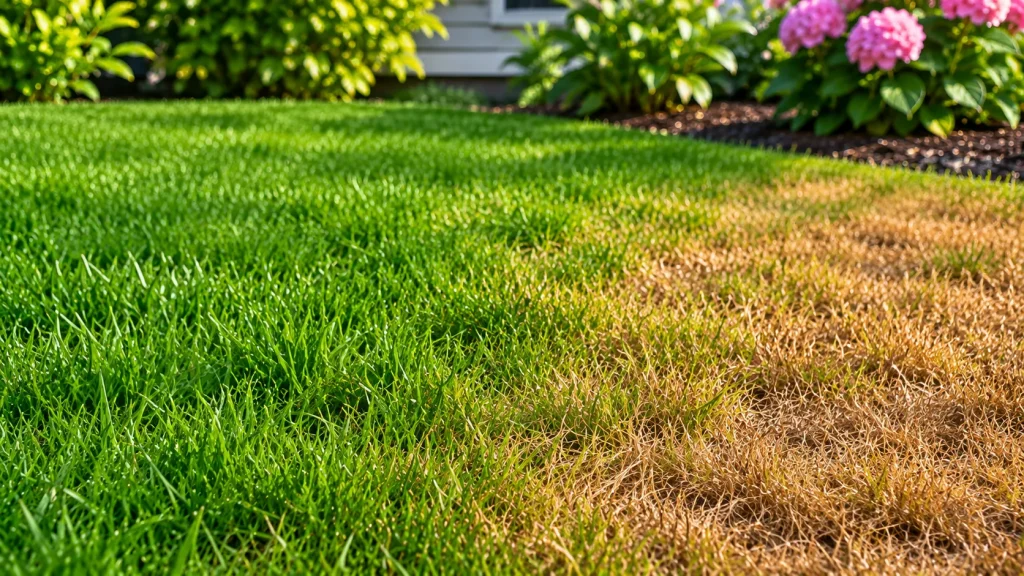
Brown lawn patches may result from drought, heat, disease, insects, pet urine, soil compaction, or other conditions.
Identify the likely cause before applying fertilizer or treatments. A brown patch is not necessarily a nutrient deficiency.
Avoid Unnecessary Lawn Fertilizer
Lawn fertilizer needs depend on turfgrass species, soil fertility, climate, and intended lawn use.
Follow soil testing and local turf recommendations rather than applying fertilizer automatically each month.
Consider Reducing Lawn Area
If mowing, watering, and edging take too much time, consider keeping a smaller lawn and using suitable planting beds, groundcovers, or permeable pathways elsewhere.
Choose alternatives that fit your climate, drainage, foot traffic, and local ecological conditions. Groundcovers are not universally maintenance-free, so consider their mature spread and potential invasiveness.
Step 10: Monitor Garden Pests and Plant Diseases
Small backyards often contain several plant species close together. Regular inspection helps identify problems before they become widespread.
However, not every insect or unusual leaf mark requires a treatment.
Inspect Plants Before Treating
Look at leaf undersides, growing tips, stems, and nearby soil. Check for actual insects, eggs, droppings, feeding damage, sticky deposits, or other useful clues.
Yellowing, brown spots, and curling leaves can also result from unsuitable watering, temperature stress, or nutrient problems.
Accurate identification helps prevent unnecessary treatment.
Protect Beneficial Insects
Ladybird beetles, lacewings, hoverflies, and many other organisms contribute to natural pest control.
Maintain suitable flowering plants and avoid unnecessary broad-spectrum pesticide applications that may harm these beneficial organisms.
Use Integrated Pest Management
Integrated pest management, often shortened to IPM, combines prevention, monitoring, correct identification, and appropriate methods of control.
Depending on the pest, suitable actions may include hand removal, physical barriers, pruning a small affected area, or improving growing conditions.
When a pesticide is justified, select one legally approved for the specific plant, pest, and location, and follow all label directions.
Reduce Conditions That Favor Plant Diseases
Maintain suitable spacing, avoid unnecessary prolonged leaf wetness, and remove clearly infected material where recommended.
Do not work extensively through wet foliage when a transmissible disease is suspected.
For persistent or rapidly worsening problems, use a trustworthy plant clinic or local horticultural extension service for further guidance.
Step 11: Adjust Small Backyard Maintenance With the Seasons
Garden maintenance changes throughout the year. A task that is essential during active summer growth may be unnecessary during winter dormancy.
The following seasonal guidance is especially relevant to temperate climates. Adjust timing for your hemisphere, frost patterns, rainfall, and local growing seasons.
Spring: Prepare and Establish New Growth
- Inspect plants and structures for winter damage.
- Review soil health and drainage before cultivating beds.
- Prepare appropriate planting spaces.
- Start or transplant crops according to local temperatures.
- Check irrigation equipment and garden supports.
- Remove troublesome weeds before they establish.
- Prune suitable shrubs at the correct species-specific time.
Avoid working saturated soil or planting frost-sensitive crops before suitable weather arrives.
Summer: Focus on Watering and Active Growth
- Monitor soil and container moisture closely.
- Maintain mulch on suitable beds.
- Harvest vegetables and herbs regularly.
- Inspect plants for heat stress and pest activity.
- Provide suitable support for tall or climbing crops.
- Maintain paths and remove weeds when necessary.
- Postpone unnecessary stressful work during extreme heat.
Early morning or cooler periods are often preferable for more demanding garden work during hot weather.
Autumn: Review the Garden and Prepare for Cooler Weather
- Harvest remaining suitable produce.
- Remove finished annual plants and manage diseased material responsibly.
- Plant suitable cool-season crops where the climate allows.
- Inspect drainage before wet winter weather.
- Prepare protection for tender container plants.
- Review plant performance and plan future changes.
- Retain suitable habitat for beneficial wildlife.
Avoid excessive fertilization of plants entering dormancy or their normal period of slower growth.
Winter: Protect Plants and Handle Essential Maintenance
- Protect susceptible containers and plants from damaging cold.
- Check that drainage remains functional.
- Water evergreen and sheltered plants when genuinely necessary.
- Inspect structures after storms and strong winds.
- Carry out appropriate dormant-season pruning where recommended.
- Clean and maintain garden tools.
- Plan planting and garden improvements for the next suitable season.
In frost-free or tropical climates, periods of extreme heat or heavy rainfall may be more important than traditional winter tasks. Organize maintenance around actual local conditions.
Simple Weekly and Monthly Small Garden Maintenance Schedule
This schedule is designed to help you organize gardening responsibilities. The frequency is flexible; perform each task only when the plants and conditions require it.
| Frequency | Main tasks | What to check |
|---|---|---|
| Short regular inspection | Observe plants, check vulnerable pots, harvest ripe produce | Moisture, wilting, pests, and damaged supports |
| Weekly | Remove weeds, inspect beds, maintain paths, check irrigation | New weed growth, water delivery, plant health |
| Every few weeks as needed | Deadhead suitable flowers, inspect supports, assess mulch | Plant growth, flowering, mulch depth |
| Monthly or when appropriate | Review containers, clean tools, check garden records | Drainage, root crowding, equipment condition |
| Seasonally | Adjust planting, prune suitable species, review soil and plant health | Climate, species requirements, growing season |
| As weather demands | Protect plants from heat, frost, storms, or prolonged rain | Forecasts, vulnerable plants, drainage, and safety |
A Practical 30-Minute Weekly Garden Routine
If you have limited time, divide a short maintenance session into a few priorities. For example:
- First 5 minutes: Walk through the garden and identify any urgent plant or safety problems.
- Next 10 minutes: Remove manageable weeds, clear obstructed paths, and collect obvious litter.
- Next 10 minutes: Check plants, supports, containers, and irrigation equipment.
- Final 5 minutes: Harvest suitable produce and record anything requiring attention later.
This is an example for organizing time, not a claim that every garden requires exactly 30 minutes of maintenance each week.
Watering, mowing, substantial pruning, and seasonal planting may need separate attention depending on conditions.
Common Maintenance Mistakes to Avoid
- Overwatering: Applying water without checking whether the soil needs it.
- Overcrowding: Installing plants without considering their mature size.
- Overfertilizing: Feeding plants without understanding existing nutrient supply.
- Pruning at the wrong time: Removing flowering buds or exposing plants to unnecessary stress.
- Leaving weeds to seed: Allowing small problems to become recurring infestations.
- Using unsuitable plants: Choosing species that require more light, space, or water than the location provides.
- Ignoring drainage: Treating poor plant growth with fertilizer instead of investigating waterlogged roots.
- Maintaining too many containers: Creating excessive watering and repotting work in a small space.
- Applying pesticides without identification: Treating harmless or beneficial insects as pests.
- Following rigid schedules: Ignoring weather, dormancy, and changing plant needs.
Frequently Asked Questions About Small Backyard Garden Maintenance
How often should I maintain a small backyard garden?
Regular short inspections and a manageable weekly maintenance session work well for many small gardens. However, actual needs depend on weather, plant types, container numbers, and seasonal growth. Some tasks are daily during hot periods, while others are monthly or seasonal.
How can I make a small backyard garden low maintenance?
Choose plants suited to the site and available space, reduce unnecessary container numbers, maintain appropriate mulch, use efficient watering, and avoid overly complicated planting arrangements. No living garden is completely maintenance-free, but thoughtful design can reduce recurring work.
Should I water my backyard garden every day?
Not automatically. Some small containers and young seedlings may need frequent watering during hot weather, while established shrubs in suitable soil often need less. Check moisture at an appropriate depth and water when necessary.
What is the best mulch for a small garden?
The best material depends on the plants and soil conditions. Suitable organic mulches may include shredded leaves, bark, wood chips, and clean straw. Use an appropriate depth and keep mulch from pressing against trunks, stems, or crowns.
How do I stop weeds from taking over a small backyard?
Remove troublesome weeds before they mature, keep suitable soil covered with mulch or appropriate groundcovers, and inspect beds and paths regularly. Some perennial weeds require species-specific management because they can regrow from underground structures.
How often should I fertilize garden plants?
There is no universal feeding schedule. Fertilizer requirements depend on the plant, soil nutrient levels, growing medium, and active growth. Use soil testing when appropriate, follow label directions, and avoid adding nutrients without a reason.
When should I prune shrubs in a small backyard?
Pruning time depends on the species and its flowering habit. Many spring-flowering shrubs are pruned after blooming, while some summer-flowering shrubs are pruned before new seasonal growth develops. Check species-specific guidance before making major cuts.
Are container gardens easier to maintain than garden beds?
Containers make planting flexible and save space, but they often require closer watering and nutrient monitoring. Larger suitable planters and carefully selected plants may reduce work compared with maintaining many tiny pots.
Can I keep a small backyard beautiful without a lawn?
Yes. Planting beds, suitable groundcovers, permeable pathways, seating spaces, and compact shrubs can create an attractive garden without a traditional lawn. Choose materials and plants according to local climate, drainage, accessibility, and maintenance requirements.
What should I do if several garden plants suddenly look unhealthy?
Begin by checking recent weather, soil moisture, drainage, fertilizer applications, and possible chemical exposure. Inspect plants for direct evidence of pests or disease. If the problem is severe or unexplained, seek advice from a local plant clinic or horticultural extension service rather than applying treatments at random.
Final Thoughts
Maintaining a small backyard garden does not need to be complicated. The most important habits are understanding the needs of your plants, observing the garden regularly, and dealing with small problems before they become difficult to manage.
Suitable plant choices and thoughtful layout can reduce unnecessary pruning and watering. Mulching and healthy soil care can help manage weeds and moisture. Regular inspections make it easier to identify pest problems, damaged supports, or unhealthy containers before major intervention is required.
As the seasons change, adjust your gardening activities to suit local weather and plant growth rather than following one fixed schedule all year.
Above all, remember that a successful small garden does not need to look perfectly maintained every day. Healthy plants, safe pathways, balanced growing conditions, and a manageable care routine are more valuable than constant unnecessary work.
For more outdoor maintenance guidance, explore our Lawn & Garden Care guides. You can also browse Soil & Watering for soil management advice and Small-Space Gardening for ideas suited to compact growing areas.
Further Reading and Horticultural References
- Royal Horticultural Society: Low-Maintenance Gardening — garden layout, plant selection, lawn alternatives, and reducing routine maintenance.
- Royal Horticultural Society: Garden Watering Methods — matching watering methods to plant needs and reducing water waste.
- University of Minnesota Extension: Water Wisely — Start in Your Own Backyard — monitoring soil moisture, watering the root zone, and conserving water.
- University of Minnesota Extension: Mulching for Soil and Garden Health — mulch benefits, application, soil moisture, and weed suppression.
- University of Maryland Extension: IPM — Prevent, Identify, and Manage Plant Problems — responsible pest and disease monitoring.
- University of Maryland Extension: Landscape Management Basics — soil testing, fertilization, mulching, pruning, and drainage.
- Royal Horticultural Society: Pruning Shrubs — deciding when and how to prune common garden shrubs.
- Royal Horticultural Society: Container Maintenance — watering, feeding, drainage, and seasonal care for potted plants.
- University of Maryland Extension: How to Start a Vegetable Garden — vegetable crop maintenance, watering, weed control, and plant monitoring.