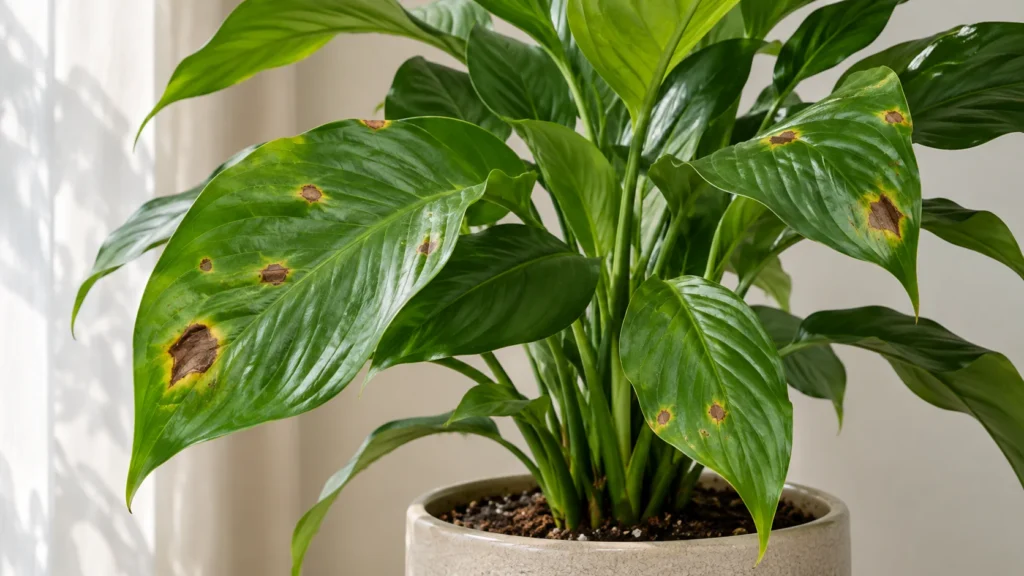
Why Is My Plant Wilting Even After Watering?
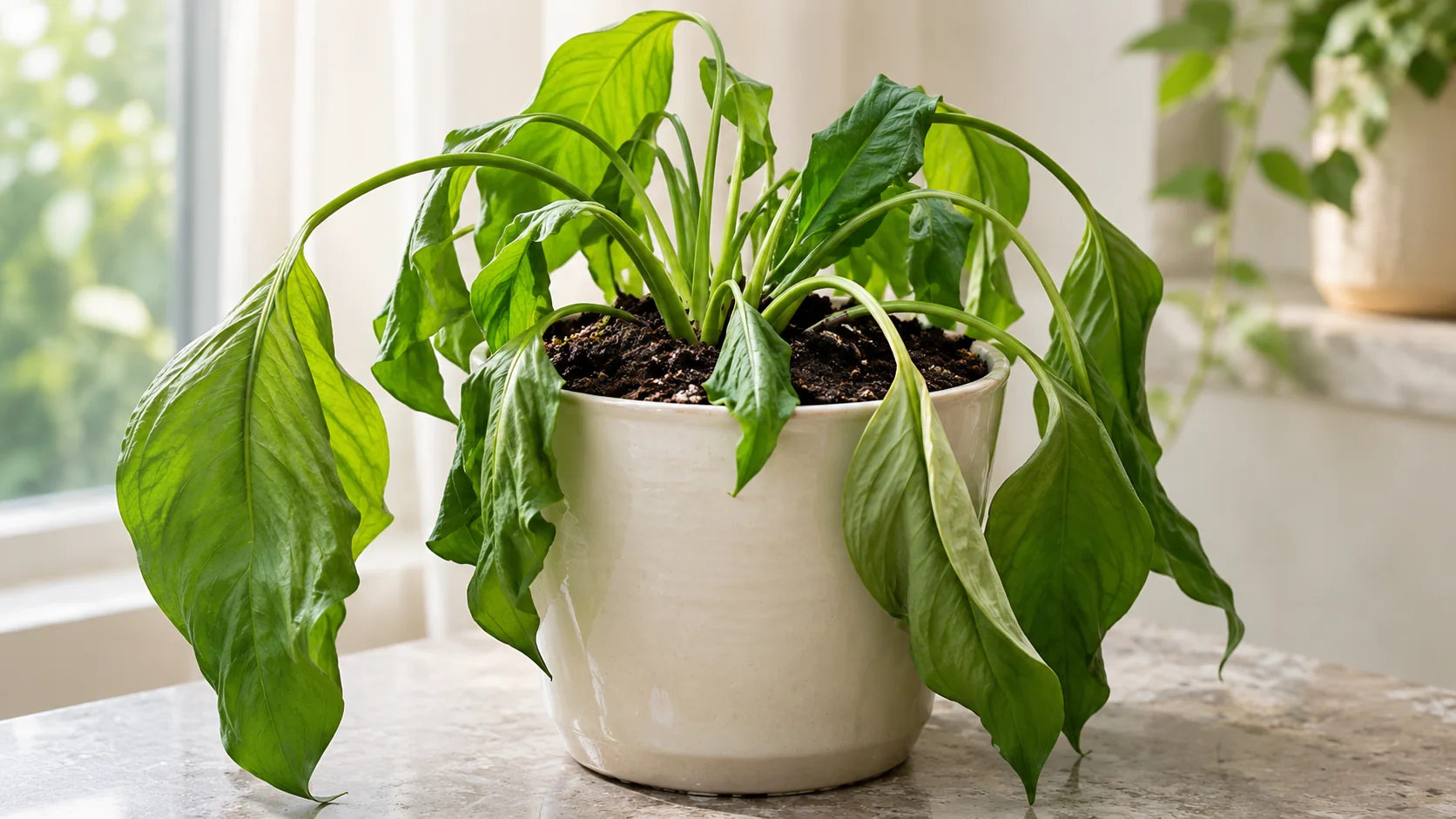
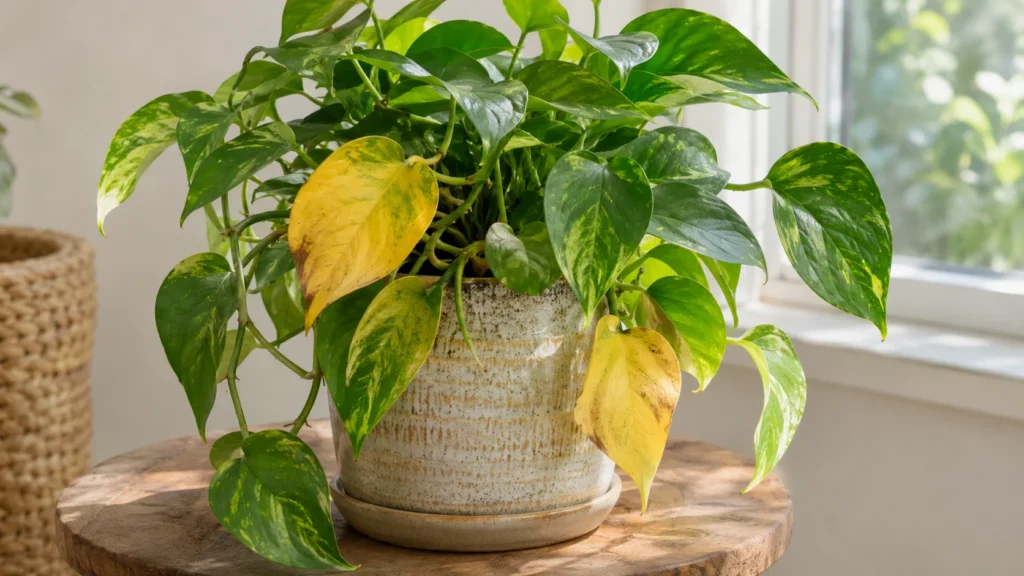
You water a drooping plant, expecting its leaves to lift again. Instead, the stems stay limp and the foliage looks just as tired. It’s tempting to reach for the watering can a second time, but more water isn’t always the answer.
A plant can remain wilted after watering for several reasons. Its roots might be sitting in saturated soil, its potting mix might still be dry in the middle, or it may be losing water faster than its roots can replace it. Recent transplanting and damaged roots can also interfere with water uptake.
The most useful next step is to find out what is happening around the roots. This guide explains how to investigate persistent wilting, what different symptoms may suggest, and how to respond without making the problem worse.
Quick Answer: Why Is My Plant Still Wilting After Watering?
Wilting happens when plant cells lose enough water pressure to become less firm. Watering can help if the roots are healthy and the soil is genuinely dry. It may not help if the roots cannot absorb water properly or if water never reaches the active root zone.
The main possibilities are:
- Waterlogged soil: Too much moisture displaces air around the roots and reduces their ability to function.
- A dry rootball: Water runs through gaps or down the sides of the container without thoroughly wetting the potting mix.
- Heat or strong wind: Leaves lose water faster than roots can supply it, even when the soil contains moisture.
- Recent transplanting: Disturbed roots temporarily struggle to meet the plant’s water needs.
- Root or stem damage: Physical injury or disease interferes with the movement of water through the plant.
Important Caution: Do not repeatedly water a wilted plant without checking the growing medium. If the roots are already waterlogged, another soaking can make their condition worse.
Before You Water Again: Five Checks to Make First
You don’t need specialist equipment to gather useful clues. Start with these observations before adding water, fertilizer, or any treatment.
1. Check Moisture Below the Surface
Push a clean finger a few centimetres into the potting mix, if the container is suitable. For a deeper pot, a wooden skewer or dowel can help indicate moisture further down. A dry surface doesn’t necessarily mean the root zone is dry.
Look for the overall condition of the mix: very dry and crumbly, evenly moist, or persistently soggy. Remember that some plants need drying periods while others prefer more consistent moisture.
2. Inspect the Container and Drainage
Check whether the pot has open drainage holes. If it’s sitting inside a decorative outer pot, lift the inner container and see whether water has collected underneath. Empty standing water unless the plant is specifically grown in a system designed to retain it.
A drainage hole is useful, but it doesn’t guarantee that the potting mix drains well. Dense, compacted, or deteriorated growing media can remain overly wet.
3. Observe When Wilting Happens
Does the plant droop mainly in the hottest part of the afternoon and recover by morning? Or does it remain limp through the night?
This timing offers clues. Temporary daytime wilting may be linked to heat and rapid water loss. Persistent wilting deserves a closer examination of soil conditions and root health. Recovery overnight is helpful evidence, but it doesn’t completely rule out a developing problem.
4. Consider What Recently Changed
Think back over the last several days. Was the plant repotted, transplanted, moved outdoors, placed near a heater, or exposed to unusually strong sun or wind? Was it left dry for an extended period before the latest watering?
A recent change can explain why a previously healthy plant suddenly needs different care.
5. Inspect the Stems and Foliage
Look for dark or soft areas at the stem base, unusual lesions, broken stems, rapid collapse of individual shoots, or other signs that the problem involves more than moisture. Don’t cut into healthy stems simply to investigate a possible disease.
Gardening Tip: Take a photograph of the plant in the morning and another in the afternoon. Comparing them may reveal whether the wilting follows the day’s heat or continues regardless of temperature.
Why a Plant Wilts Even Though the Soil Is Wet
Wet soil and wilted foliage can occur together. Roots need oxygen to function, and their ability to take up water can decline when the surrounding growing medium remains saturated.
In a waterlogged container, air spaces in the potting mix fill with water. If this continues, fine roots may become damaged. The plant can then look dehydrated even though the soil contains plenty of moisture.
Clues That the Root Zone Is Too Wet
- The potting mix stays wet much longer than expected.
- The container feels heavy despite no recent watering.
- Water remains inside a decorative pot or saucer.
- Leaves remain wilted while the root zone is moist or soggy.
- Additional symptoms include yellowing, leaf drop, or slow growth.
These clues suggest a moisture problem, but they do not prove that a particular root disease is present.
What to Do If the Soil Is Waterlogged
First, stop adding water while the root zone is already saturated. Empty collected water, make sure drainage holes are not blocked, and move the container out of conditions that are worsening the stress.
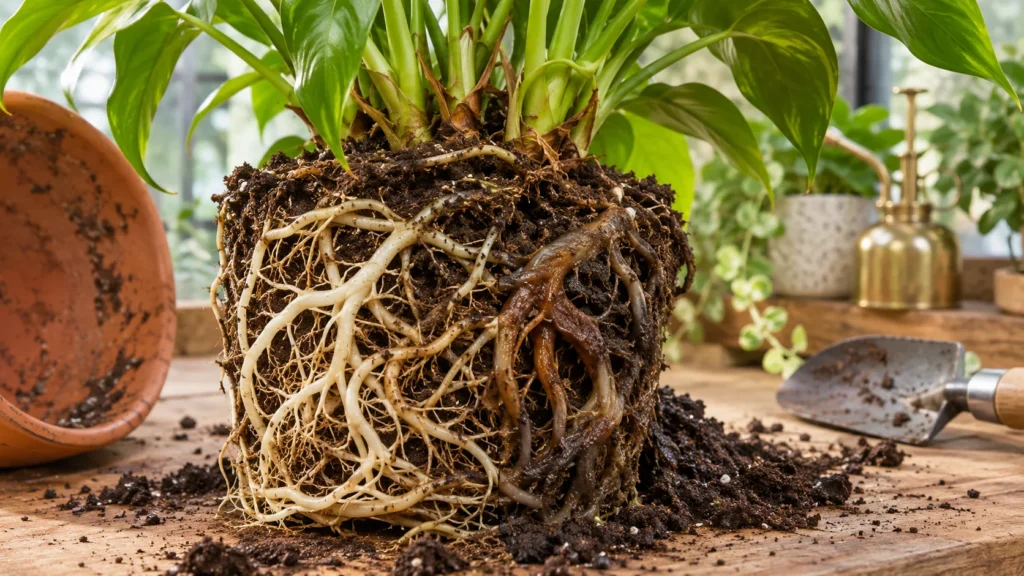
If the growing medium remains soggy, smells unpleasant, or the plant continues deteriorating, further examination may be necessary. In a suitable container plant, carefully removing the rootball can reveal whether roots are firm or visibly decayed.
Healthy roots vary in color by species and growing medium, but they should generally be firm. Roots that are soft, slimy, and disintegrating are more concerning. When extensive decay is present, recovery may be difficult. A less severely affected plant may benefit from removing clearly rotten material with clean tools and repotting into an appropriate fresh, well-draining mix.
Avoid repotting repeatedly or disturbing healthy roots without a good reason. The correct response depends on the plant and how much of its root system remains functional.
When Water Runs Through the Pot but the Roots Stay Dry
Sometimes a container drains almost immediately after watering, yet the plant remains thirsty. This can happen when potting mix has become extremely dry and shrunk away from the sides of the pot.
Instead of soaking into the rootball, water may follow the easiest route down the gap between the mix and the container wall. Seeing water flow out of the drainage holes doesn’t necessarily mean all the roots received enough moisture.
How to Check for an Unevenly Wet Rootball
- Notice whether water rushes out almost as soon as you pour it in.
- Look for a visible gap between dry potting mix and the inside of the pot.
- Use a clean wooden skewer to check whether the middle of the root zone remains dry after watering.
- Compare the weight of the container before and after watering, where practical.
How to Rehydrate Very Dry Potting Mix
If the root zone really is dry, apply water slowly in several passes, allowing time for the mix to absorb it. Recheck moisture rather than relying only on how much water has drained away.
For a small container with drainage holes, temporarily setting the pot in shallow water can help some dry mixes absorb moisture from below. Remove it once the root zone is adequately moistened, let excess water drain, and never leave an ordinary houseplant standing in water indefinitely.
Good to Know: Fast drainage can mean either that water is bypassing a dry rootball or that the growing mix drains freely. Check moisture within the root zone before deciding which situation you have.
When Wilting Is Caused by Heat or Transplant Stress
Temporary Wilting on Hot or Windy Days
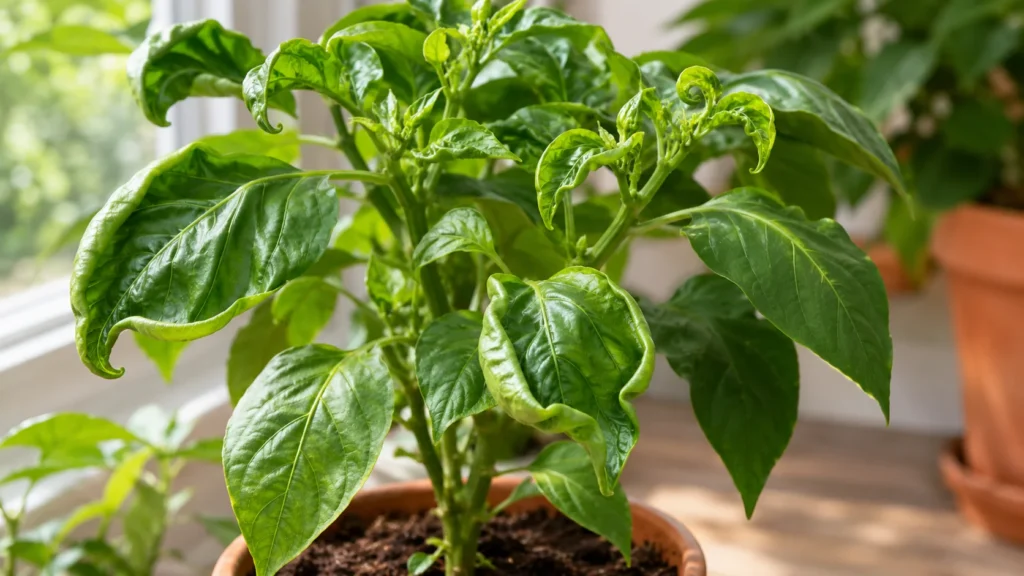
On a hot afternoon, a plant may lose water through its leaves faster than its roots can replace it. The result can be drooping foliage despite adequate soil moisture.
This is especially noticeable with some broad-leaved vegetables and recently established plants. When conditions cool and water loss slows, the leaves may regain firmness later in the day or overnight.
If the soil is adequately moist, watering again may not solve temporary heat-related wilting. Focus on the plant’s growing conditions. Where appropriate, temporary afternoon shade, protection from drying winds, and mulch over garden soil can reduce stress.
If the plant does not recover during cooler conditions, investigate further. Persistent wilting should not automatically be dismissed as harmless heat stress.
Wilting After Repotting or Transplanting
Roots can be disturbed when a plant is moved from one container or growing position to another. Even when the soil has been watered, the existing root system may temporarily struggle to supply the leaves.
Recently transplanted plants may benefit from suitable moisture around the rootball and protection from extreme conditions while becoming established. For outdoor transplants, gradual acclimatization to sun and wind before planting helps reduce shock.
Avoid immediately disturbing the roots again unless there is clear evidence of a drainage or planting problem. Continued decline, however, deserves attention rather than indefinite waiting.
Other Reasons Water May Not Reach the Leaves
Crowded or Restricted Roots
A pot-bound plant may have roots densely packed around the inside of its container, leaving little growing medium to hold moisture. Such pots can dry rapidly, and water may not reach the entire rootball evenly.
If the plant repeatedly dries out very quickly and roots are tightly circling the container, consider whether it needs repotting into a slightly larger, suitable pot. Do not assume that a very large new container is better; excess unused potting mix may remain wet for too long.
Root Rot or Stem Disease
Root diseases can damage the tissues that absorb water. Some cause roots to become brown or black, soft, and easily broken. Rot around the crown or stem base can also interfere with plant function.
In outdoor vegetables, certain vascular wilt diseases can interfere with water movement inside the stems. For example, some tomato wilt diseases may affect part of a plant before becoming more widespread. These problems cannot be reliably identified from wilting alone.
If a plant wilts persistently despite appropriate moisture, especially when there is stem discoloration, sudden collapse, or symptoms concentrated in individual branches, consult a species-specific diagnostic guide or local extension service. Avoid applying fungicides or other treatments without identifying a suitable target and following label directions.
Wilting After Watering: Compare the Clues
Use the table below to decide which condition to investigate first. The observations are clues, not definitive diagnoses.
| What you observe | Possible explanation | First sensible action |
|---|---|---|
| Soil stays soggy; plant remains limp | Waterlogging or impaired root function | Stop adding water; check drainage and root health |
| Water drains immediately, but the center stays dry | Unevenly wetted or shrunken potting mix | Rehydrate gradually and recheck the root zone |
| Leaves droop in afternoon but recover overnight | Possible temporary heat or wind stress | Check soil moisture and consider appropriate shade |
| Wilting began after transplanting | Root disturbance or environmental adjustment | Maintain suitable moisture and reduce extreme exposure |
| Pot dries extremely quickly; roots fill the container | Possible root restriction | Inspect for crowding and consider suitable repotting |
| Stems collapse or roots become soft and dark | Possible rot or disease | Seek a closer diagnosis before treatment |
A Sensible Recovery Plan for a Persistently Wilted Plant
Once you’ve gathered the main clues, choose a response that matches the conditions rather than trying every possible treatment.
- Identify the plant and its moisture needs. A moisture-loving fern and a drought-adapted succulent should not be treated the same way.
- Check the actual root-zone moisture. If the mix is dry, water appropriately. If it’s saturated, don’t add more.
- Correct obvious drainage problems. Empty standing water and ensure the container and growing medium are suitable.
- Reduce unnecessary stress. Protect a vulnerable plant from extreme heat, strong wind, or sudden changes where appropriate.
- Inspect roots only when the evidence calls for it. Unnecessary handling can further stress a plant that is already struggling.
- Avoid immediate fertilizer or pesticide applications. Neither will repair roots damaged by improper moisture conditions.
- Monitor the response. Note whether leaves regain firmness during cooler periods, whether new growth develops, and whether the problem spreads.
A mildly thirsty plant with functioning roots may improve after the rootball is properly moistened. A plant with extensive root damage may recover slowly or not at all. There is no universal recovery time.
Gardening Tip: Keep a short record of soil moisture, watering, daytime temperature, and visible changes. This makes it easier to judge whether one careful adjustment is helping before trying another.
How to Prevent a Plant From Wilting After Watering
Good watering depends on the plant and its environment, not simply the number of days since the last watering.
- Match the potting mix to the plant. Use a growing medium that balances moisture retention and air spaces for the species.
- Choose containers with suitable drainage. Regularly check outer pots and saucers for trapped water.
- Water the root zone, not just the surface. Confirm that water is reaching the roots rather than rushing through gaps.
- Adjust to the weather. Heat, wind, humidity, season, and plant growth all influence moisture needs.
- Help new transplants establish. Reduce avoidable root disturbance and acclimatize young plants to outdoor conditions.
- Notice repeat patterns. A pot that stays wet for days or dries immediately after watering may need a different growing medium or container.
The aim is not to keep every pot constantly damp. It is to provide the moisture and oxygen conditions that its particular plant needs.
Frequently Asked Questions
Should I water my plant again if it is still drooping?
Only if its root zone needs water. Check moisture below the surface first. Additional watering can be helpful when the rootball remains dry, but harmful when the growing medium is already saturated.
Does wilting in wet soil always mean root rot?
No. Waterlogged roots can lose function before visible rot develops. Heat stress, transplanting, and other conditions can also cause wilting. Look at the full pattern of symptoms rather than assuming a particular disease.
Why does water pour straight through my plant pot?
The growing medium may be very free-draining, or it may have dried and shrunk away from the pot walls. Check whether the middle of the rootball is moist. Fast runoff alone doesn’t tell you whether the plant has received enough water.
Why does my tomato plant wilt in the afternoon but look better in the morning?
Temporary afternoon wilting can happen when heat or wind increases water loss. However, some tomato diseases can also produce wilting with partial nighttime recovery. If symptoms become progressively worse, affect particular branches, or include discoloration, investigate further rather than relying on the time of day alone.
Should I repot a wilted plant immediately?
Not automatically. Repotting can cause additional root disturbance. Consider it when there is evidence of severely unsuitable growing medium, crowded roots, or root decay and when repotting is appropriate for that species.
How quickly should a wilted plant recover after watering?
A mildly dehydrated plant with healthy roots may begin improving relatively soon after the root zone is properly watered. Recovery is less predictable when roots are damaged, temperatures remain extreme, or disease is involved. Look for sustained improvement and healthy growth rather than expecting every leaf to recover immediately.
Final Thoughts
When a plant keeps wilting after watering, the most important question is not simply how much water you gave it. It is whether the roots can access that water and move it through the plant.
Check the root-zone moisture, drainage, recent growing conditions, and timing of the wilt. If the soil is saturated, more water may be the last thing the plant needs. If the potting mix is still dry inside, a careful rehydration method may help. Persistent decline or damaged stems and roots call for closer investigation.
For a broader discussion of discoloration and related symptoms, read Why Are Plant Leaves Turning Yellow?. You can also explore the Plant Problems & Solutions category for more gardening troubleshooting guides.
Further Reading and Horticultural References
- Royal Horticultural Society: How Plants Absorb Water — water movement, temporary wilting, and waterlogged roots.
- University of Maryland Extension: Wilting of Vegetable Plants — drought, excess water, and heat-related wilting.
- University of Maryland Extension: Root Rots of Indoor Plants — signs of damaged or decaying roots.
- University of Maryland Extension: Growing Vegetables in Containers and Salad Tables — container watering and rehydrating dry potting media.
- Royal Horticultural Society: Vegetable Transplanting — reducing transplant stress and supporting establishment.