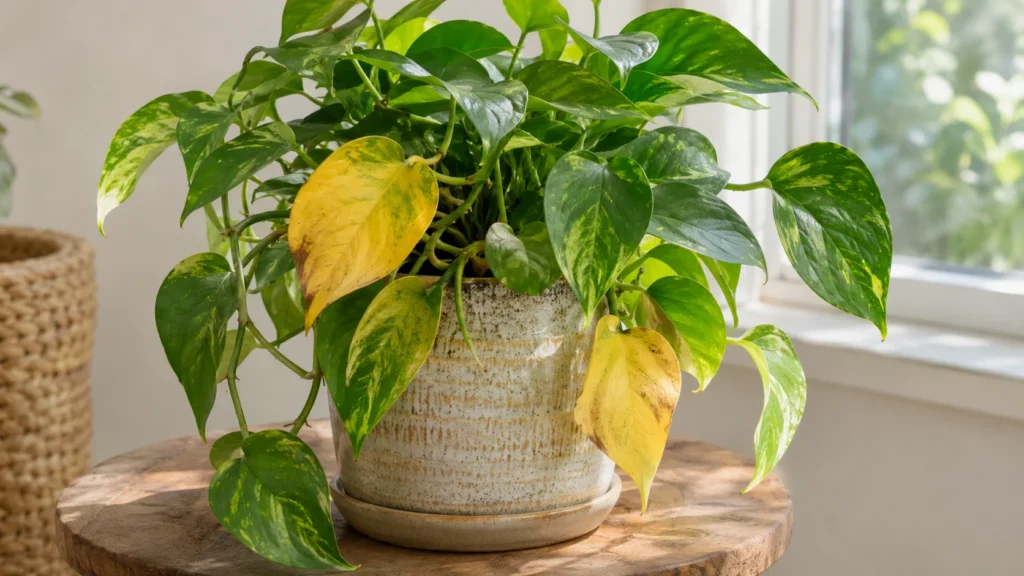
Brown Spots on Plant Leaves: Common Causes

Brown spots on plant leaves can appear almost overnight. You might notice a few tiny marks on a houseplant, dark circular patches on vegetable leaves, or irregular brown areas spreading across a garden shrub. The damage can look alarming, but it does not always mean the plant has a serious disease.
Some brown spots develop after intense sunlight, cold exposure, or physical injury. Others are associated with fungal or bacterial infections. Certain pests can also damage leaves, while unsuitable growing conditions may cause the tissue to dry and turn brown.
The key is to examine the pattern of damage and the conditions in which it appeared. This guide explains the most common causes of brown leaf spots, the clues worth looking for, and practical steps to take before choosing a treatment.
Quick Answer: What Causes Brown Spots on Plant Leaves?
Brown spots usually indicate an area of leaf tissue that has been injured or has died. This damaged tissue is sometimes called a lesion. The appearance of a lesion can provide clues about what happened, but a brown spot alone cannot confirm the cause.
Common possibilities include fungal leaf spot diseases, bacterial infections, sunscald, cold injury, pest feeding, chemical exposure, and other environmental stresses.
A few old, stable spots may be mainly cosmetic. Rapidly expanding lesions, widespread leaf loss, or damage affecting stems and new growth deserve closer attention.
Gardening Tip: Take a clear photograph of the affected leaves and another showing the entire plant. The position, size, and development of spots can be more informative than their color alone.
How to Recognize Different Brown Spot Patterns
Start by examining several affected leaves. Look at the shape of the spots, where they appear, and whether they are changing. These features can help you decide what to investigate next.
Small Circular Brown Spots
Round or roughly circular brown spots may be associated with fungal leaf spot diseases. Some develop darker borders, pale centers, or faint rings. As lesions grow, neighboring spots may merge into larger damaged areas.
However, circular spots can have other causes, so their shape alone is not enough to identify a fungal infection.
Brown Spots With Yellow Borders
Some leaf lesions have a yellow border, often called a halo. This can occur with certain fungal and bacterial diseases, although it is not exclusive to either group.
Look for other symptoms, including whether lesions are spreading, whether new leaves are affected, and whether spotting followed extended periods of leaf wetness.
Irregular Brown or Tan Patches
Large, uneven patches may develop after sun exposure, cold damage, chemical injury, or disease. The location of the damage is especially useful: patches concentrated on leaves facing a bright window or exposed to sudden strong sunlight may suggest environmental injury.
Brown Tips and Leaf Edges
Brown tips and margins are not the same as distinct spots in the middle of a leaf. They are often associated with moisture stress, fertilizer-related salt buildup, dry air for sensitive houseplants, or exposure to drying wind.
If the main damage is around the edges rather than in separate lesions, investigate these growing conditions before assuming the plant has a leaf spot disease.
Good to Know: Leaf spot patterns overlap. A yellow halo, dark border, or circular shape can be a useful clue, but reliable identification may require plant-specific information or professional diagnostic testing.
6 Common Causes of Brown Spots on Plant Leaves
1. Fungal Leaf Spot Diseases
Different fungi can cause leaf spots on houseplants, vegetables, flowers, trees, and shrubs. The exact disease depends on the plant species and the pathogen involved.
Fungal leaf spots may appear as tan, brown, reddish-brown, or almost black lesions. Some remain small, while others enlarge and merge. Under favorable conditions, severe infections can lead to premature leaf drop.
Many fungal leaf spot diseases develop more readily when leaves remain wet for long periods. Crowded growth, poor air circulation, frequent splashing, and humid weather can contribute to conditions favorable for infection.
What to check: Look for new spots appearing over time, particularly after wet weather or prolonged leaf wetness. Identify the affected plant and compare its symptoms with a reliable, species-specific disease guide.
What may help: Improve air movement, avoid unnecessary prolonged wetting of foliage, and remove severely infected leaves when appropriate. Many mild cases can be managed without fungicides, especially when only a few leaves are affected.
2. Bacterial Leaf Spot Diseases
Bacteria can also produce brown or black spots on leaves. Some lesions begin with a water-soaked appearance before darkening. Others are angular because the damage is partly limited by leaf veins.
Yellow halos, soft tissue, and rapid expansion can occur with some bacterial diseases, but those symptoms are not definitive proof of bacterial infection.
Wet foliage and splashing water may contribute to the spread of certain bacterial plant pathogens. Handling wet plants or moving between infected and healthy plants without cleaning tools can also increase the risk in some situations.
What to check: Look for water-soaked lesions, rapidly deteriorating tissue, and spotting that appears after periods of high moisture. Check whether the plant is known to be susceptible to a particular bacterial disease.
What may help: Remove badly affected material where appropriate, improve growing conditions, avoid unnecessary splashing, and seek a reliable diagnosis if symptoms are severe or spreading.
Important Caution: Do not assume every brown spot is fungal and immediately spray a fungicide. Some spots are bacterial or caused by environmental damage, and fungicides cannot repair tissue that is already dead. Use a product only when it is labeled for the specific plant, site, and problem, and follow its instructions.
3. Sunscald and Sudden Light Changes
Plants can develop pale, tan, or brown patches when they receive stronger sunlight than their leaves are adapted to tolerate.
This sometimes happens when an indoor plant is placed directly outdoors in bright sun or when a shade-adapted plant is moved into a very bright window. Newly exposed leaves may show bleached or scorched patches, particularly on surfaces receiving the most intense light.
What to check: Did the damage begin shortly after moving the plant? Are the spots concentrated on sun-facing foliage rather than appearing throughout the canopy?
What may help: Place the plant in lighting conditions suitable for its species and introduce stronger light gradually. Existing scorched patches will remain, but new growth may develop normally once the plant is in a better position.
4. Watering Stress and Fertilizer-Related Injury
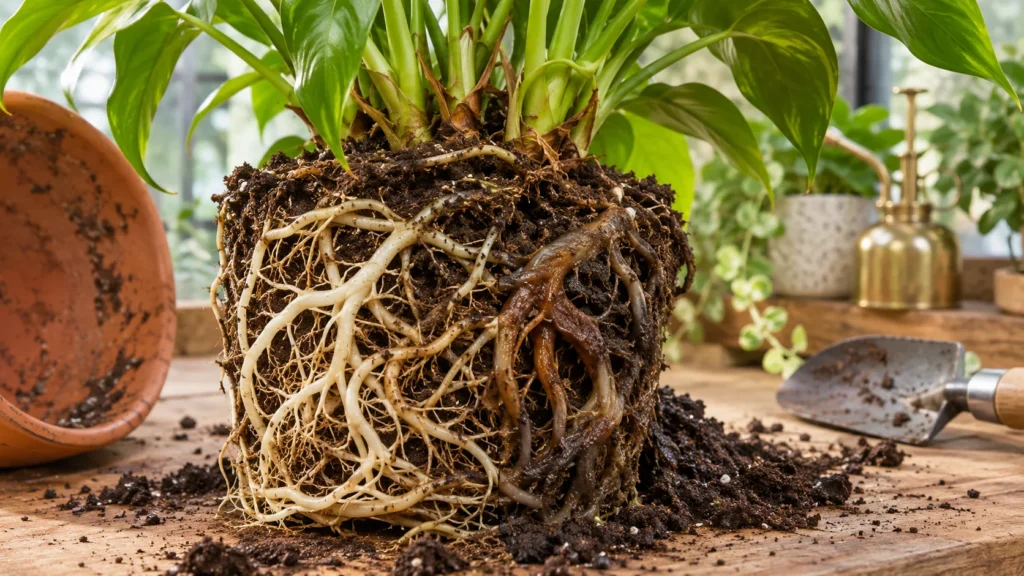
Both insufficient water and excess moisture around the roots can damage leaves. Prolonged drought often causes dry edges or larger brown areas. Waterlogged roots may also interfere with normal water uptake and eventually contribute to leaf damage.
Excess fertilizer or accumulated soluble salts in container growing media can injure sensitive roots and contribute to browning or scorching, often around the margins.
What to check: Examine moisture below the soil surface, drainage, and recent fertilizer applications. In containers, note whether the potting mix remains soggy or repeatedly dries out very quickly.
What may help: Correct watering and drainage according to the plant’s needs. Avoid applying additional fertilizer until the likely problem is better understood.
5. Insect and Mite Feeding
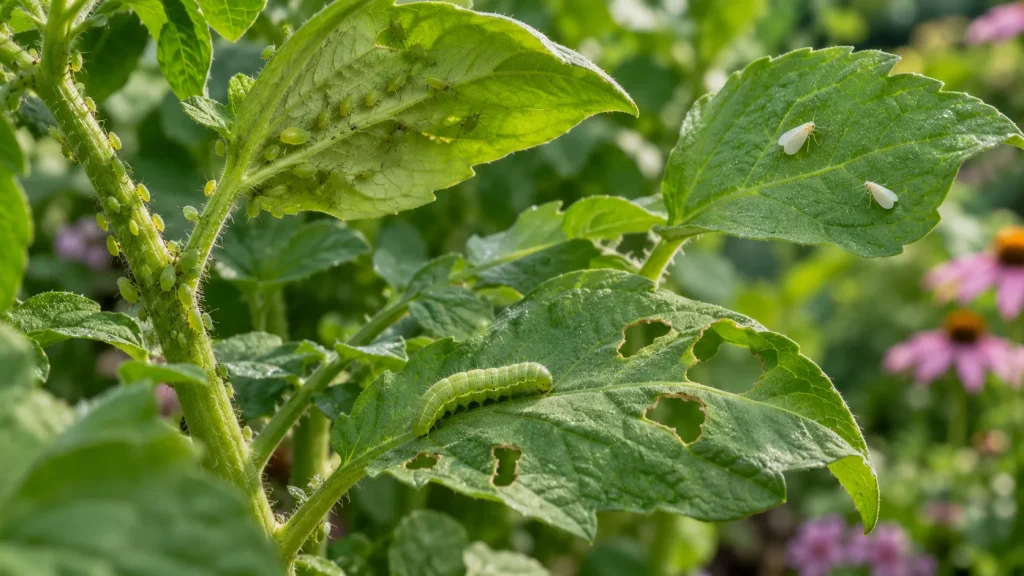
Some pests damage leaf cells while feeding. Spider mites often cause fine pale speckling that can eventually make foliage look bronzed or damaged. Thrips may leave silvery or scarred areas, sometimes accompanied by dark droppings. Other pests create different patterns depending on their feeding habits.
These symptoms are not always the same as the rounded lesions caused by leaf spot pathogens. The presence of actual pests or their distinctive signs is therefore important.
What to check: Inspect the undersides of leaves, leaf joints, and new shoots. Look for insects, tiny moving mites, webbing, silvery scars, or other feeding evidence. A magnifying glass may help.
What may help: Identify the pest first and choose an appropriate, plant-safe response. Avoid treating damage as an infestation when no pest evidence has been found.
6. Cold, Chemical, or Physical Damage
Not all brown marks develop from a continuing disease. Leaves may be injured by cold drafts, frost, rubbing against rough surfaces, hail, unsuitable sprays, or accidental chemical exposure.
For example, a houseplant touching a very cold window may develop localized damage. An outdoor plant exposed to a sudden frost or spray drift may show irregular patches after the event.
What to check: Consider whether the spots appeared after a particular event. Are the damaged leaves clustered in one exposed position? Has anyone recently applied a cleaning spray, plant treatment, or fertilizer nearby?
What may help: Remove or reduce the source of injury and monitor new growth. If the damage does not continue spreading after conditions improve, it may have resulted from a one-time event.
Brown Spots on Leaves: Compare the Symptoms
This table can help you decide what to investigate first. It should not be used as a substitute for identifying the plant and examining the full set of symptoms.
| What you notice | Possible cause | What to check first |
|---|---|---|
| Several circular tan or brown lesions | Possible fungal leaf spot | Recent wet conditions and plant-specific diseases |
| Water-soaked or angular brown patches | Possible bacterial infection | Moisture history and spread of lesions |
| Large pale or brown patches on exposed leaves | Sunscald or environmental injury | Recent change in light or temperature |
| Mostly brown tips and leaf edges | Moisture stress or salt injury | Soil moisture, drainage, and fertilizer history |
| Fine pale speckling or silvery damage | Possible insect or mite feeding | Leaf undersides and visible pest evidence |
| Localized marks after frost, sprays, or rubbing | Cold, chemical, or physical injury | Recent exposure and location of damage |
What to Do When You Find Brown Spots on Leaves
Rather than changing everything at once, work through these steps in order.
- Identify the plant. Find out what species or variety you’re growing and whether it is known to develop particular leaf spot problems.
- Examine the distribution of damage. Check whether spots appear on old leaves, new leaves, sun-exposed foliage, or throughout the plant.
- Inspect both sides of the leaves. Look for pests, water-soaked tissue, unusual growths, or other symptoms.
- Review recent growing conditions. Think about watering, rainfall, humidity, strong sunlight, cold nights, and recent sprays or fertilizers.
- Check whether spots are spreading. Photograph a few affected leaves and inspect them again over the following days, depending on how rapidly symptoms are developing.
- Make targeted corrections. Improve suitable growing conditions, reduce prolonged leaf wetness where appropriate, or manage an identified pest or disease.
- Seek specific advice when needed. If lesions spread quickly, stems begin to die back, or a valuable crop is seriously affected, consult a reliable plant diagnostic service or local horticultural extension resource.
Gardening Tip: Compare the newest leaves with those that were already damaged. New spotting after a change in care may suggest the problem is continuing, while healthy new growth can be a useful sign that conditions have improved.
Should You Remove Leaves With Brown Spots?
Removing affected leaves can sometimes reduce sources of infection and improve the appearance of a plant, but it isn’t always necessary. The right decision depends on the severity of the spotting, the likely cause, and how much healthy foliage remains.
For a sturdy plant with just a few severely spotted leaves, careful removal may be reasonable. Use clean tools and dispose of suspected diseased material according to local guidance. Avoid handling multiple plants with contaminated tools.
Do not strip off most of a plant’s leaves simply because they have small, stable spots. Remaining green tissue still contributes to photosynthesis, and excessive pruning may weaken a stressed or recently transplanted plant.
If damage appears to be from a one-time sun exposure or physical injury rather than infection, there may be no immediate need to remove the leaf. Watch whether the plant continues growing normally.
Important Caution: Avoid homemade pesticide or fungicide mixtures as a first response. Some household products can burn foliage, and an incorrectly chosen treatment may not address the cause. Use only suitable products according to their labels and local regulations.
Can Brown-Spotted Leaves Turn Green Again?
Dead brown leaf tissue generally cannot become healthy green tissue again. Once an area has dried, collapsed, or become necrotic, that part of the leaf will usually remain discolored.
However, permanent spots on older leaves do not necessarily mean the entire plant is in trouble. If the underlying cause is corrected, unaffected foliage can continue functioning and future leaves may develop normally.
The most useful signs of improvement include a reduction in new spotting, healthy new growth, and a stable plant overall. When a disease is involved, ongoing monitoring matters because new symptoms may continue to appear even after conditions have changed.
How to Reduce Brown Leaf Spots in the Future
Not every leaf spot can be prevented. Weather, naturally occurring pathogens, and occasional injury are part of gardening. Still, sensible growing practices can reduce many avoidable problems.
- Give plants appropriate light. Match the species to the location and introduce stronger sunlight gradually.
- Maintain suitable moisture and drainage. Avoid both prolonged saturation and unnecessary drought stress.
- Improve air circulation. Space plants appropriately and avoid overcrowding where practical.
- Limit prolonged leaf wetness. Where suitable, direct irrigation toward the root zone and water early enough for foliage to dry.
- Use fertilizer carefully. Follow the plant’s needs and product directions instead of feeding automatically whenever leaves change color.
- Inspect plants regularly. Look for new spots and pest evidence before damage becomes widespread.
- Keep tools and growing areas clean. Remove appropriate diseased debris and clean pruning tools when moving between affected plants.
- Choose resilient varieties where available. If a disease regularly affects a particular crop in your area, look for locally recommended resistant varieties.
Preventive care should remain appropriate for the plant. For example, reducing leaf wetness can help manage many leaf spot diseases, but that does not mean all plants should be grown in dry air or deprived of the humidity they need.
Frequently Asked Questions
Are brown spots on plant leaves always a fungus?
No. Brown spots can result from fungal or bacterial diseases, insects, sunlight, cold, chemicals, and physical injury. Look at the plant species, recent conditions, and other symptoms before deciding what caused the damage.
What do brown spots with yellow halos mean?
A yellow border may occur around certain fungal or bacterial lesions, but it is not enough to identify the cause. The shape, development, and distribution of the spots, along with the plant species, provide additional clues.
Can too much sunlight cause brown spots?
Yes. Leaves that receive more intense light than they can tolerate may develop pale or brown damaged patches. This is especially possible after moving a shade-grown plant into strong direct sunlight without gradual acclimatization.
Should I spray fungicide on brown leaf spots?
Not automatically. First investigate whether the problem is actually fungal and whether treatment is necessary. Many minor leaf spot problems can be managed through plant care and sanitation. Fungicides cannot restore dead leaf tissue, and products must be suitable for the specific plant and disease.
Will removing spotted leaves stop the problem?
Removing heavily infected leaves can sometimes reduce the amount of affected material, but it does not guarantee that a disease will stop. Growing conditions, remaining sources of infection, and the specific problem also matter. Avoid removing excessive amounts of healthy foliage.
Can a plant survive with brown spots on its leaves?
Yes. Many plants continue growing normally with a small amount of cosmetic leaf damage. More extensive spotting, rapid leaf loss, stem damage, or declining new growth may indicate a more serious problem that requires investigation.
Why are brown spots appearing only on new leaves?
New leaves may be particularly vulnerable to certain diseases, pests, or environmental injury. Check for active pest feeding, recent sprays, temperature changes, and whether the plant is showing other signs of stress. Persistent damage to new growth deserves closer examination.
Final Thoughts
Brown spots are a sign that some leaf tissue has been damaged, but they don’t reveal the cause by themselves. Before spraying, pruning, or changing your watering routine, examine the shape and location of the spots and review what has recently happened to the plant.
Some problems require better growing conditions rather than a treatment. Others involve pests or diseases that need more specific identification. Careful observation and a measured response will usually give you a better starting point than guessing.
If your plant is also changing color more generally, read our guide to why plant leaves turn yellow. For additional troubleshooting topics, browse Plant Problems & Solutions.
Further Reading and Horticultural References
- Royal Horticultural Society: Leaf Damage on Houseplants — environmental damage, leaf spots, and other common symptoms.
- University of Maryland Extension: Fungal Leaf Spots on Indoor Plants — fungal symptoms and management.
- University of Maryland Extension: Bacterial Leaf Spots on Indoor Plants — bacterial symptoms and growing-condition management.
- University of Maryland Extension: Diagnose Indoor Plant Problems — comparing environmental, pest, and disease symptoms.
- University of Maryland Extension: Fungal Leaf Spots on Shrubs — managing outdoor leaf spots and understanding their severity.